



Install Steam
sign in
|
language
简体中文 (Simplified Chinese)
繁體中文 (Traditional Chinese)
日本語 (Japanese)
한국어 (Korean)
ไทย (Thai)
Български (Bulgarian)
Čeština (Czech)
Dansk (Danish)
Deutsch (German)
Español - España (Spanish - Spain)
Español - Latinoamérica (Spanish - Latin America)
Ελληνικά (Greek)
Français (French)
Italiano (Italian)
Bahasa Indonesia (Indonesian)
Magyar (Hungarian)
Nederlands (Dutch)
Norsk (Norwegian)
Polski (Polish)
Português (Portuguese - Portugal)
Português - Brasil (Portuguese - Brazil)
Română (Romanian)
Русский (Russian)
Suomi (Finnish)
Svenska (Swedish)
Türkçe (Turkish)
Tiếng Việt (Vietnamese)
Українська (Ukrainian)
Report a translation problem


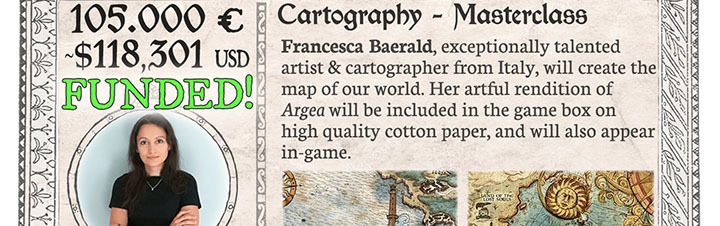 As you may remember, a map painted by the talented Francesca Baerald was our first stretch goal. Today, we can proudly present the magnificent outcome. Francesca delivered a masterpiece of a map with a huge number of details and a high density of information for the player. Cities, villages, dungeons, rivers, roads… all the major landmarks you will encounter on your journey through Argea are part of this highly detailed hand-painted map.
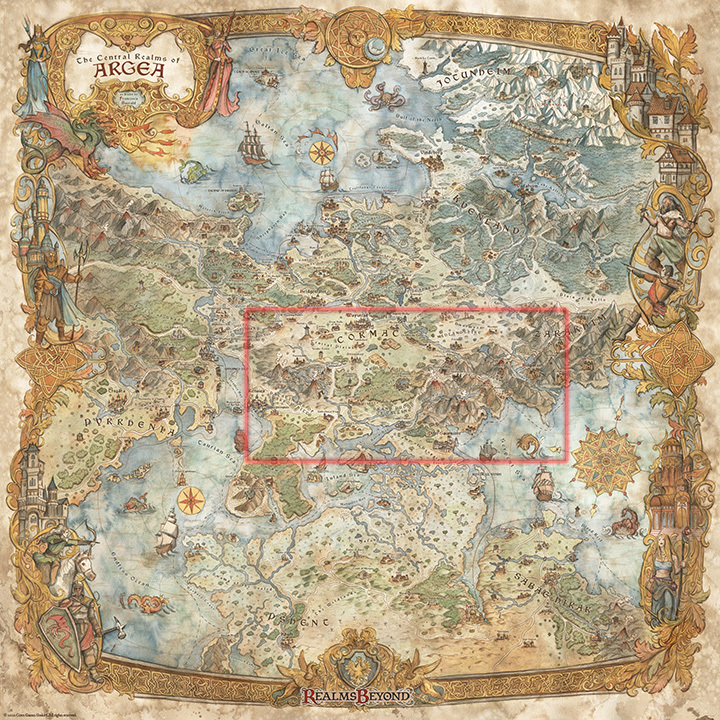 The Central Realms of Argea
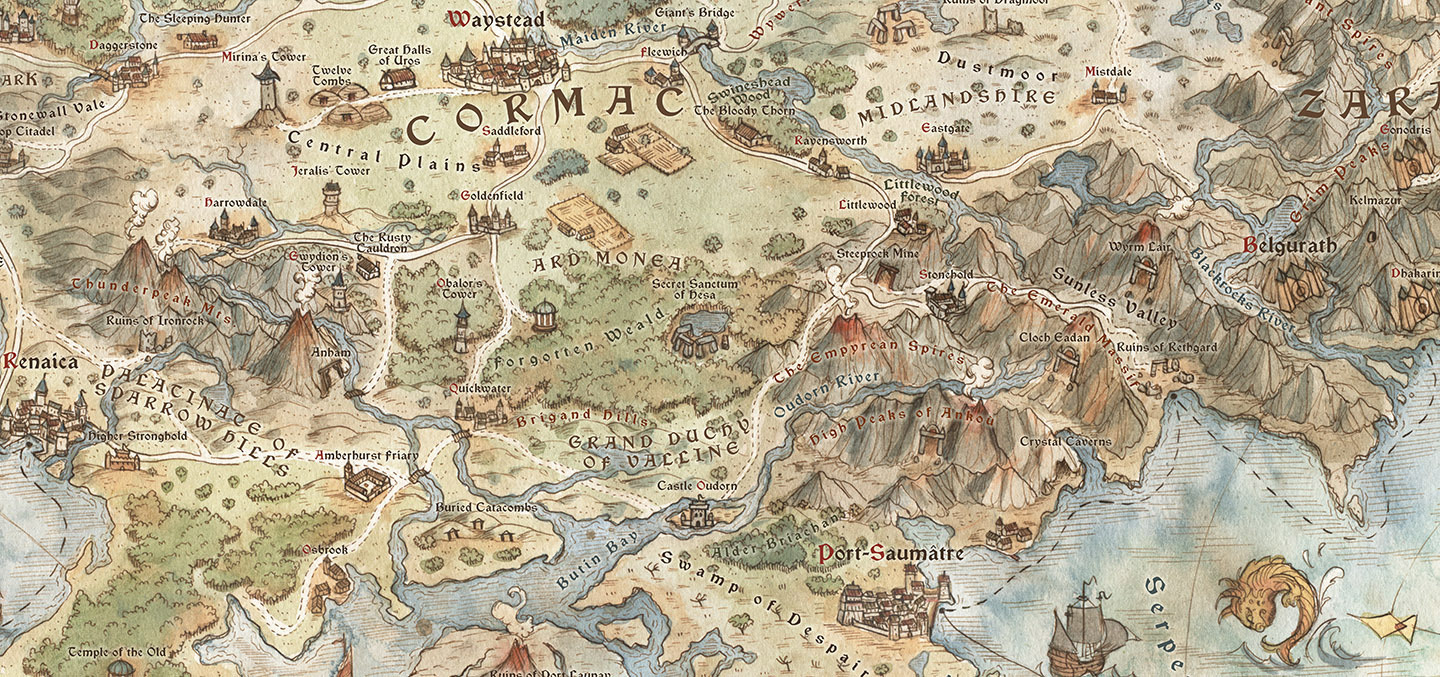 Detailed Region - Click to enlarge
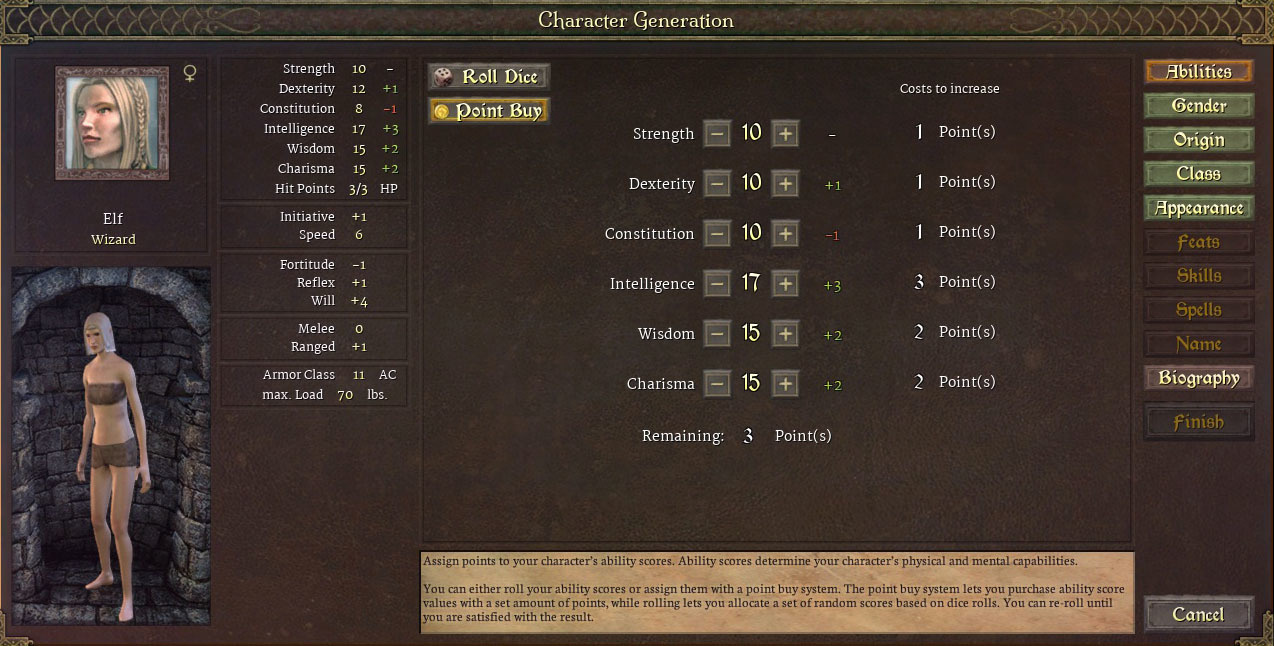
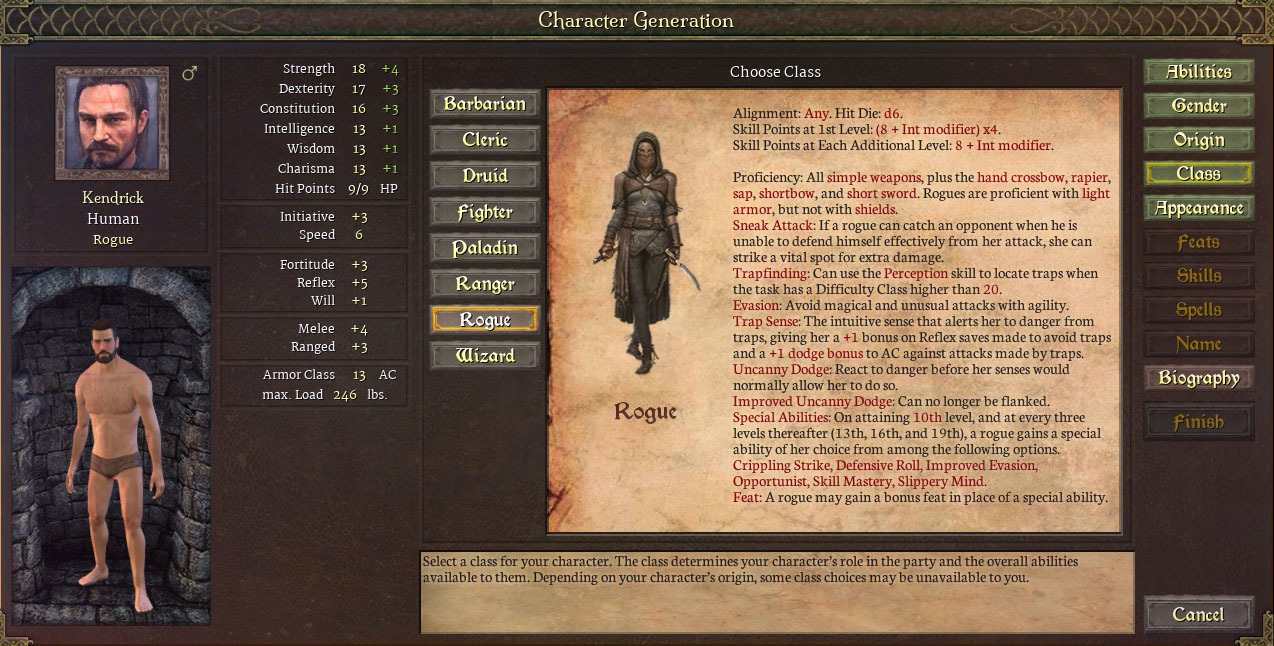
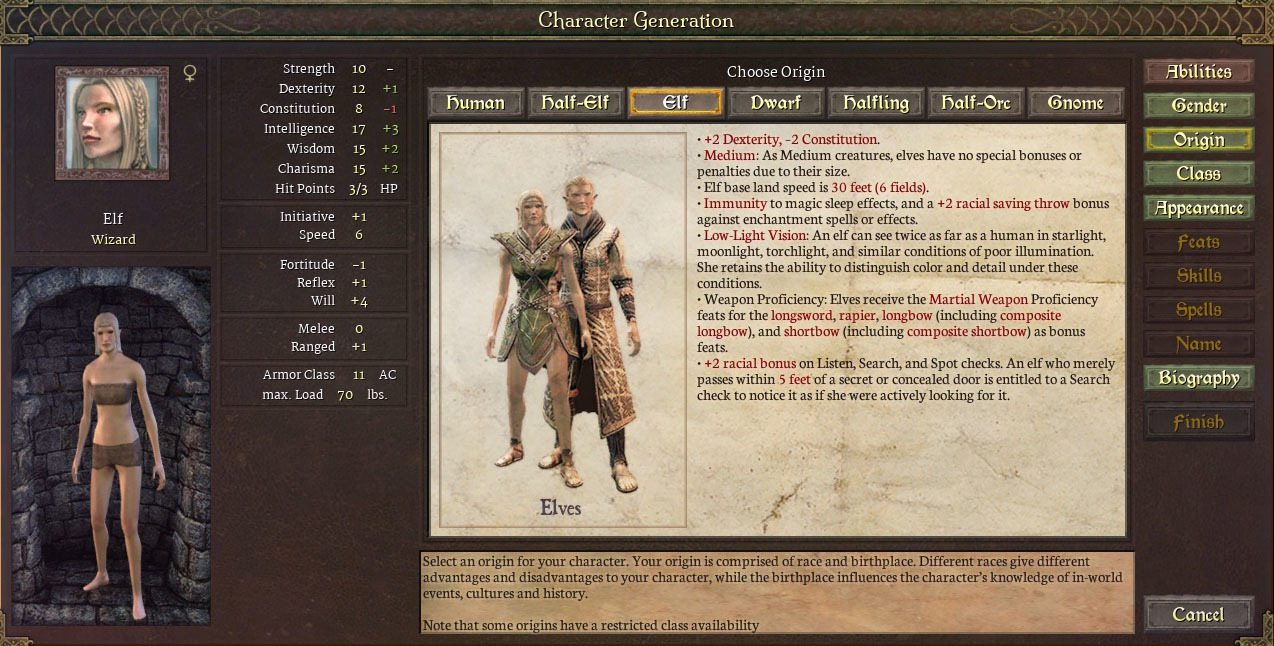
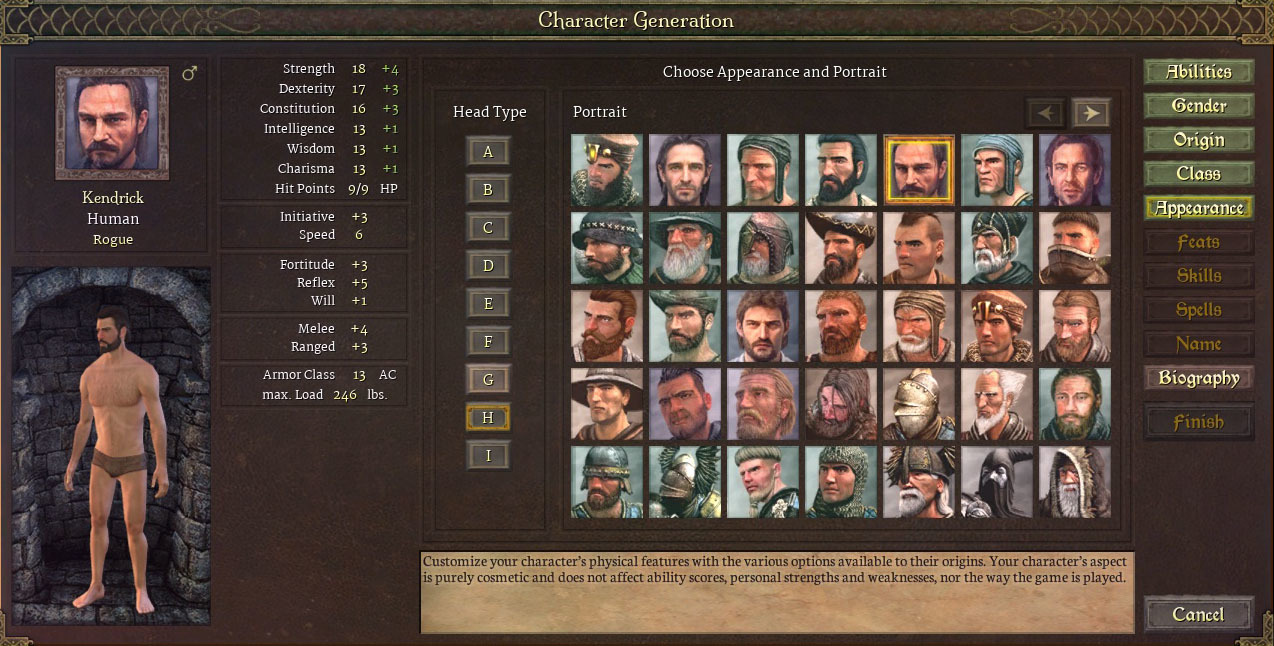 Rather than just picking a race and be done with it, Realms Beyond lets you choose your character’s origin: which region of the world does your character hail from? It is more than just a cosmetic choice, as your character’s origin will influence the knowledge of local customs, politics and events the character has, as well as the reaction some NPCs will have towards that character.
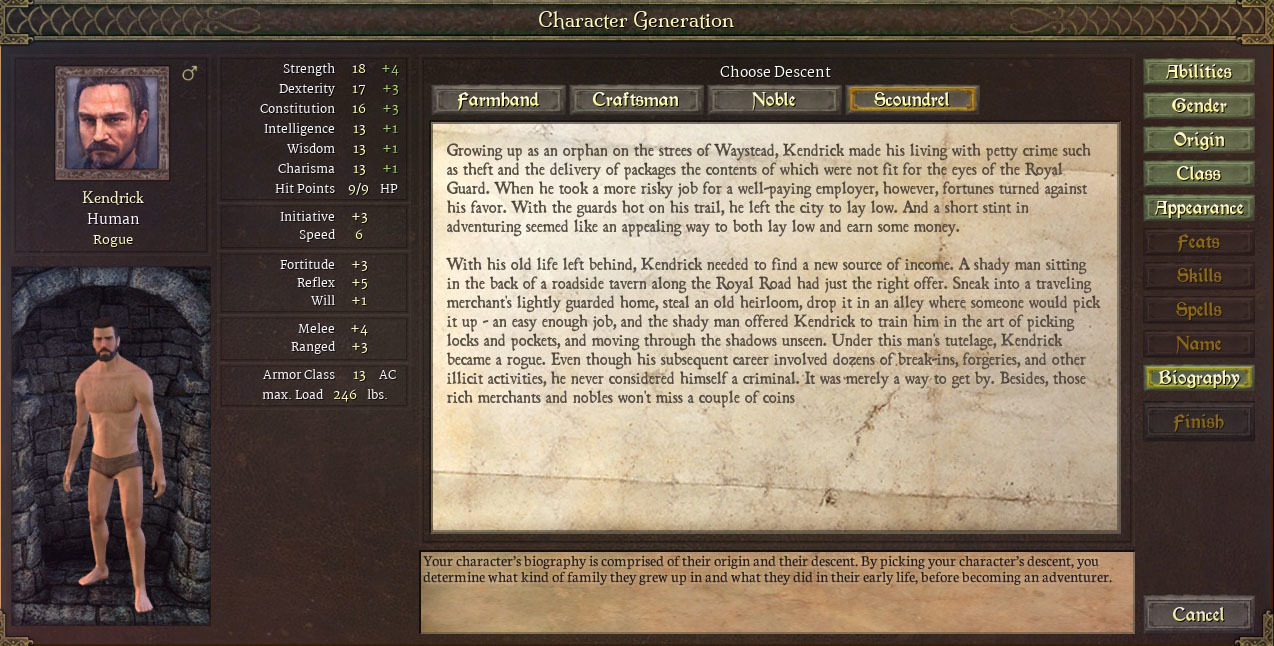
 Furthermore, you will be able to select a descent for your characters: which social class they hail from and what they did before they became adventurers. Noble, craftsman, peasant – these descents also come with unique background knowledge for your character. Characters with a noble background will be familiar with the customs of the nobility, while characters with a peasant background will be able to tell a farmer why his crops are failing.
 The character backgrounds are more than just flavor, as they will occasionally offer unique insights into the events you encounter during the game.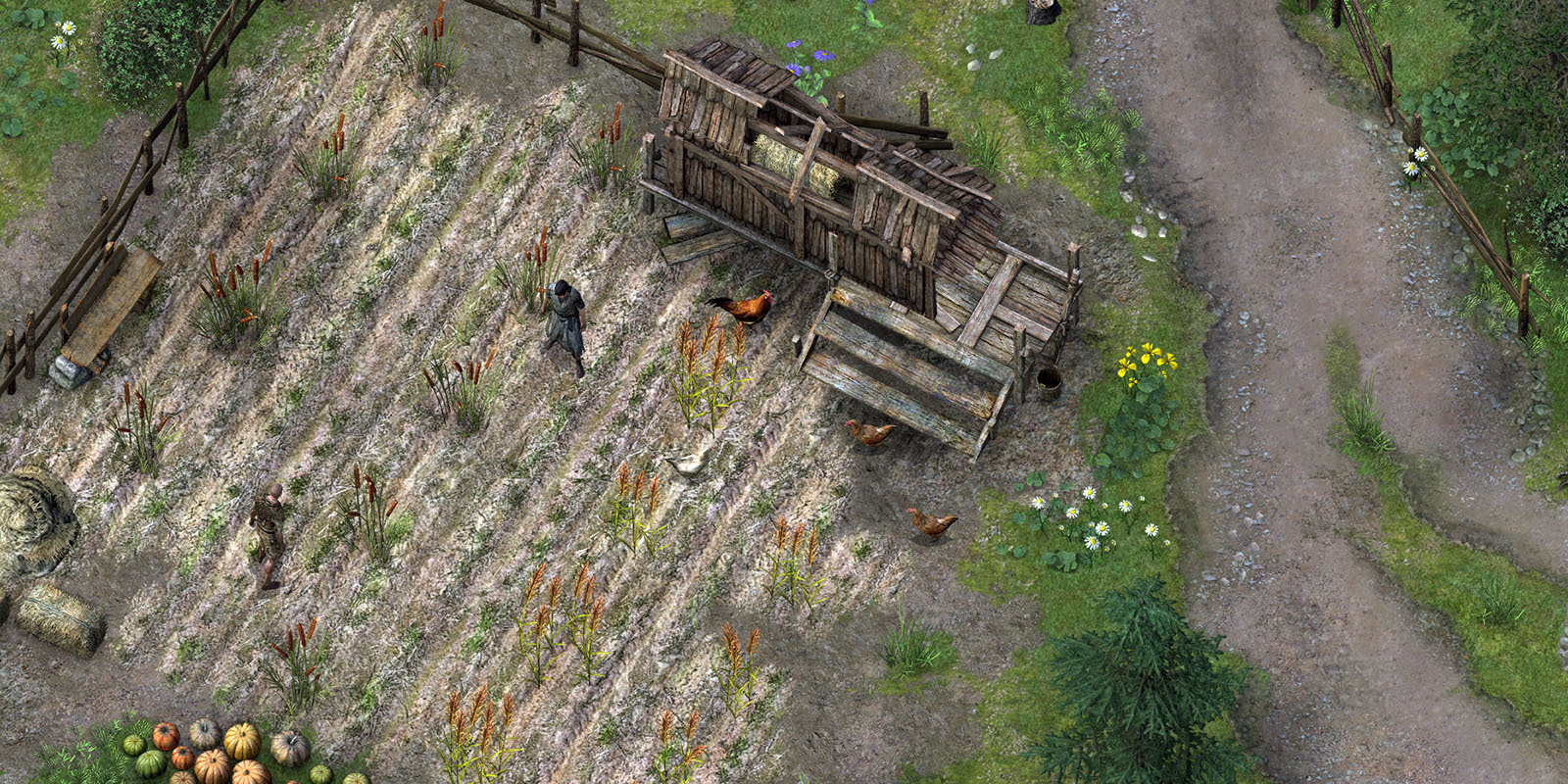
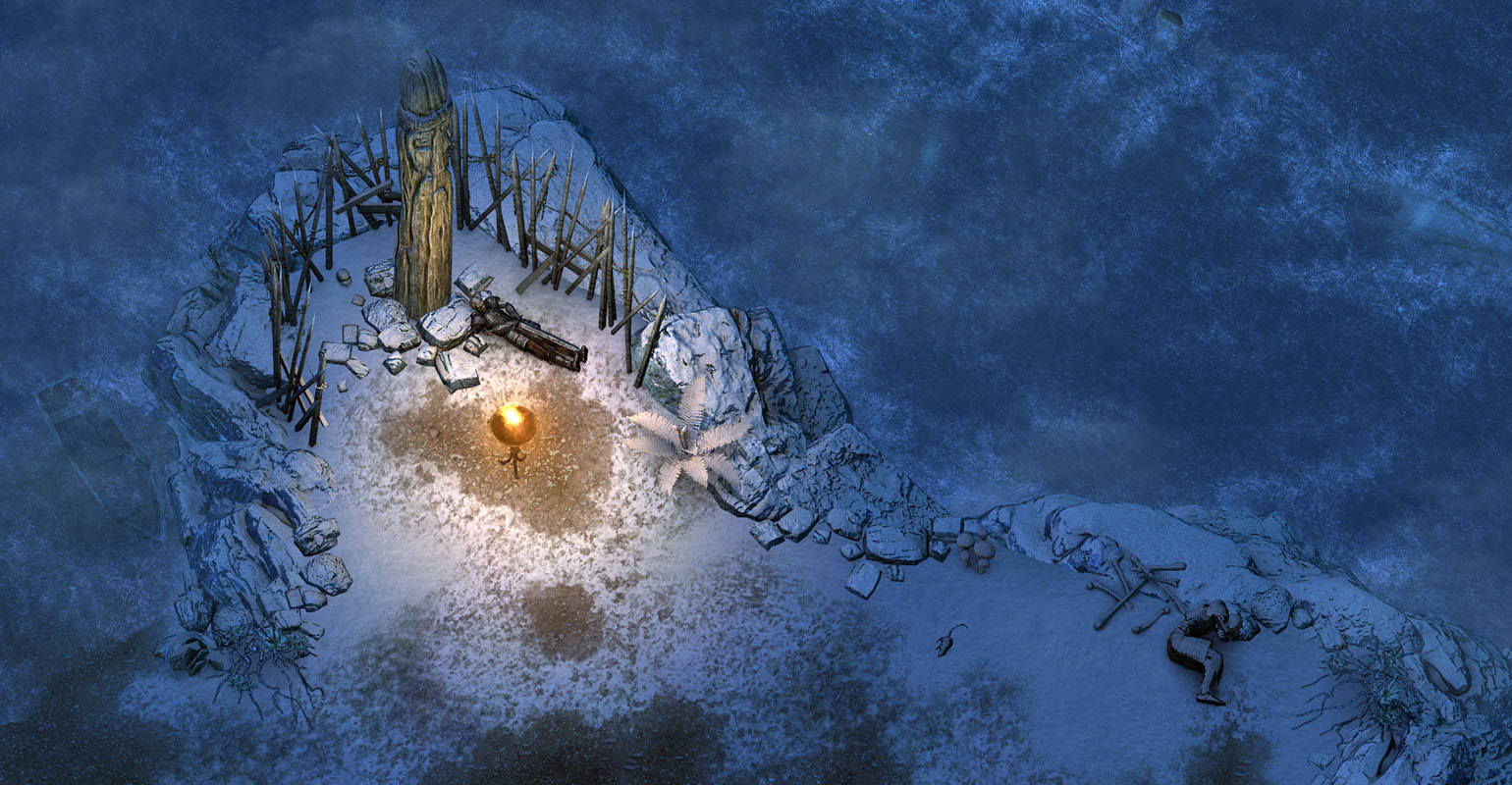
 Dialogue options can depend on many things: the player character’s sex, race, class, ability scores, skills, equipment, current status effects, faction reputation, and more. If you want to find a peaceful solution with the orcs, letting your half-orc do the talking might be a good idea. Similarly, in a village where everyone is prejudiced towards elves because of an old grudge that has never been forgotten, an elven or half-elven character will have a harder time winning the sympathies of the populace.
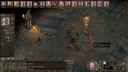
 Each yellow dialogue option is associated with a certain precondition. If the player has recruited a certain companion into the party, he or she can offer the companion’s knowledge of secret hallways in the fortress to the guards. If the player is a wizard, he can offer to cast a spell of their choosing for them. If he’s a priest, he can offer them a blessing. And if the player’s character is female and has sufficiently high charisma, she can flirt with the guards.
  A simple greeting text with conditional parts
 As you can see, rather than adding several different conditions to the dialogue choice (our editor allows for up to two conditions to be attached to a dialogue choice at once, so adding three or more individual conditions would be logistically impossible, anyway), we have created a new local condition simply named MAG_RESEARCH, which checks whether the player’s character can successfully convince Jeralis of being a researcher of the arcane or not. The custom condition looks like this:
 As you can see from these lines of code, the character will succeed the check if he has a bluff skill of 6; if he is a wizard, he will succeed with a bluff skill of 3; if he is a wizard with INT greater than 18, he will succeed automatically.
 This powerful scripting system allows us torecognize any state a player character may be in, and have NPCs acknowledgeeverything that is appropriate for them to comment on (like a dwarf reactingfavorably toward a fellow dwarf and skeptically toward an elf, a priestessmentioning you should take your boots off before you enter the inner sanctum, amerchant greeting you as a colleague because your character is a member of themerchants’ guild, etc). It also allows for creative quest solutions. Let’s imaginea magic mirror that guards a magically locked door. You can interact with it,but looking into it doesn’t do anything. In another chamber of the dungeon youfind out that the door only opens for those who stare into the mirror withblinded eyes – you can cast a spell of blinding upon your character, interactwith the mirror while the BLIND condition is true, and the door will open!
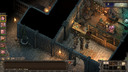
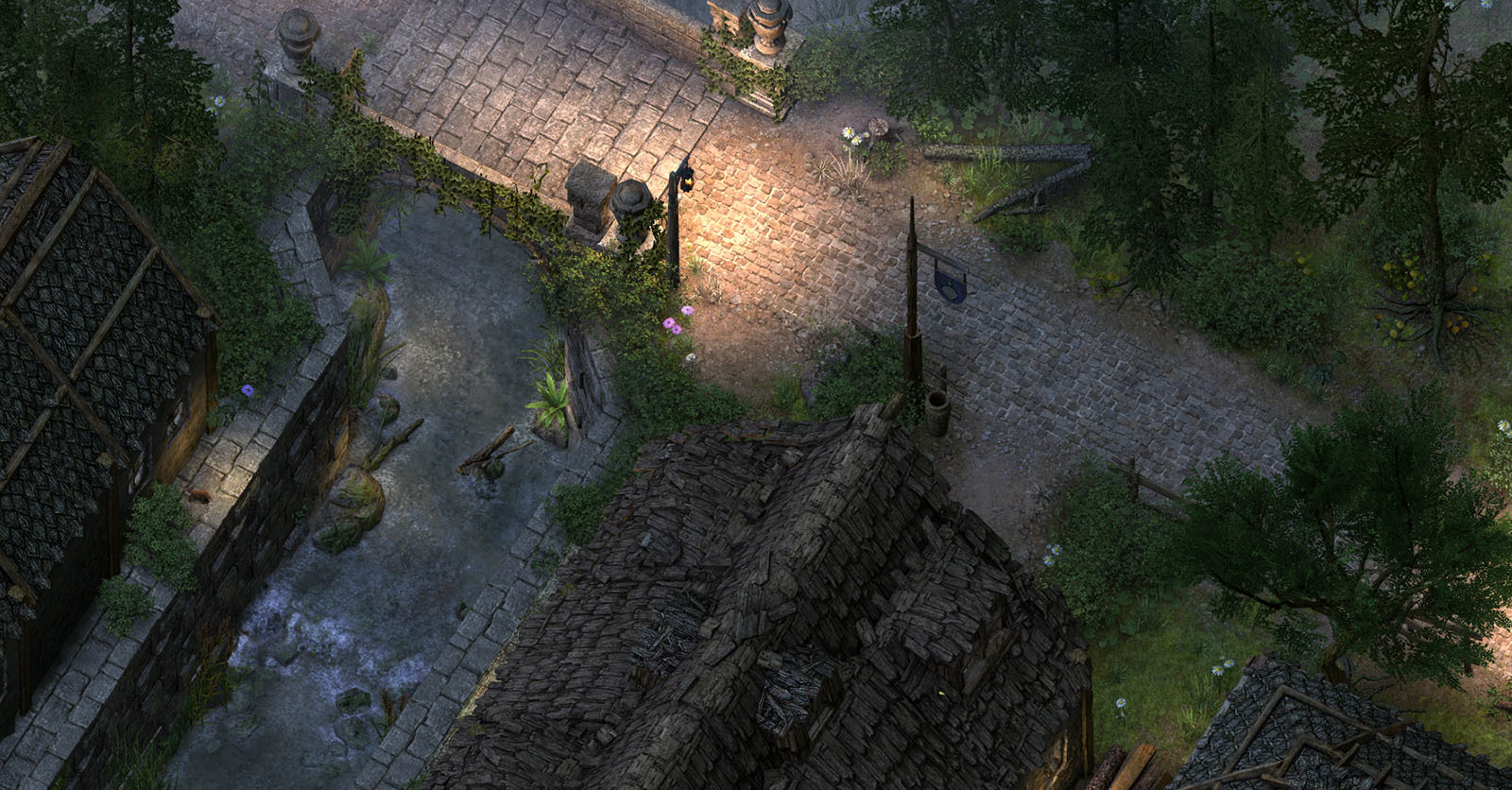
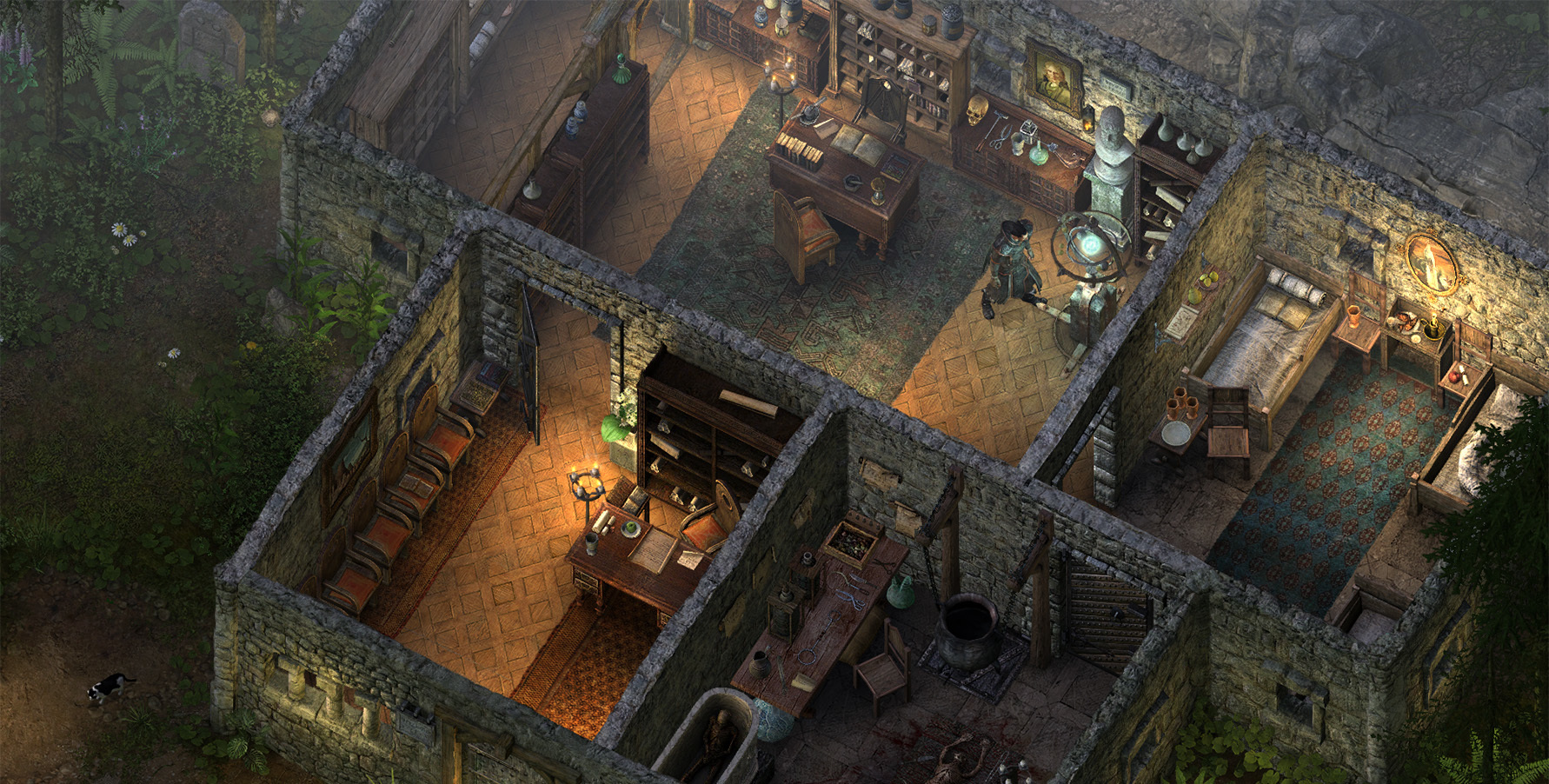 The local physician’s house. He cares for the sick and also serves as the local coroner. His cat is doing its best at keeping the village rat-free.
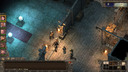
  The chopping block, where prisoners condemned to death meet their end. You can sit down in the tavern next door and watch the execution through the windows, comfortably seated with a mug of ale in your hands. The pinnacle of entertainment in a sleepy little village like this.
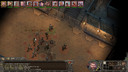
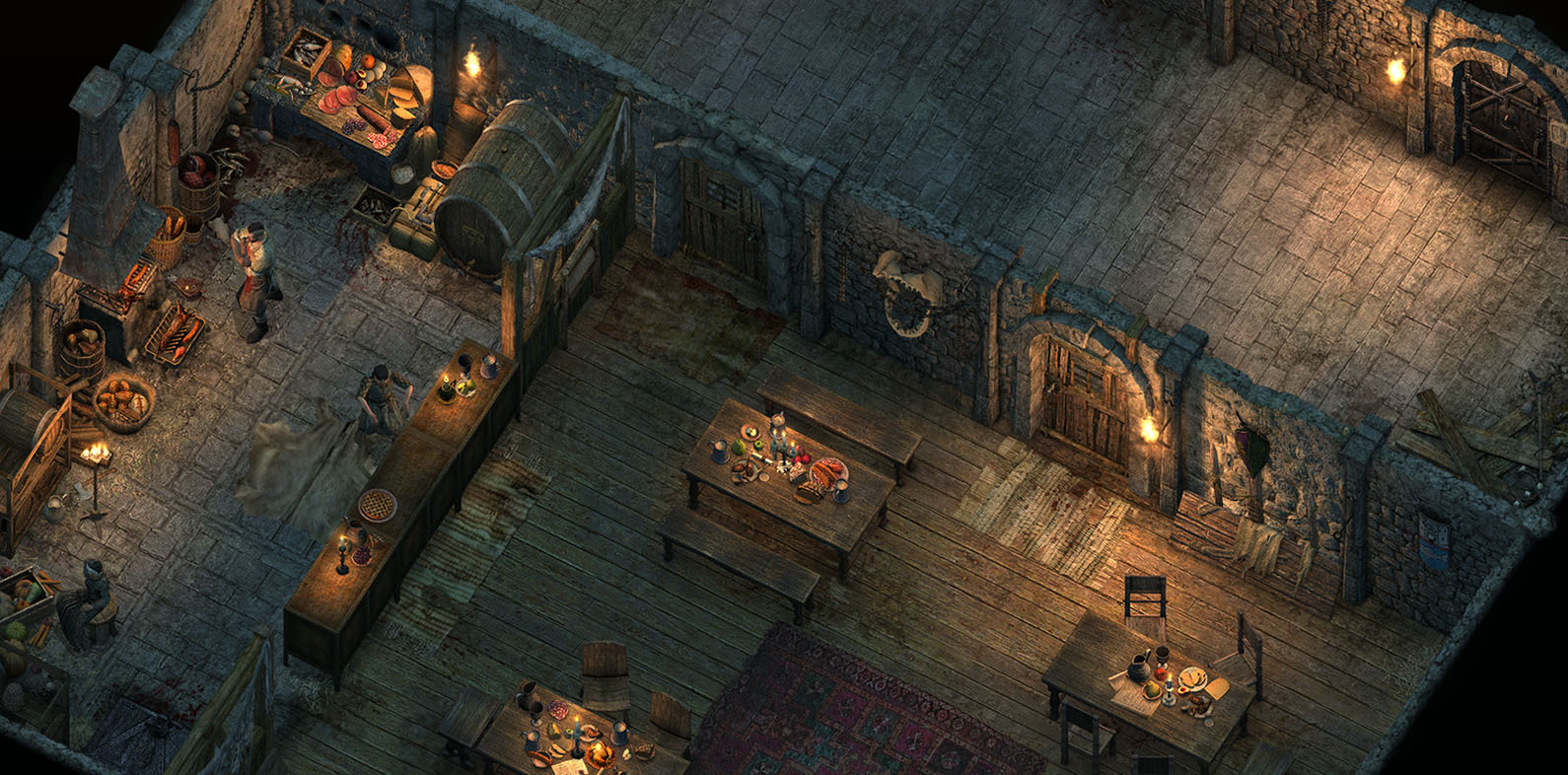
 He’s not drinking on duty! He’s merely sampling the ale to make sure it is of high enough quality. A diligent guard would never let his officers taste sub-par ale. He’s just doing his duty. Besides, it’s not like these prisoners need much guarding. They’re locked behind bars, tight and secure, with no way to escape.
 Loading

