



Install Steam
sign in
|
language
简体中文 (Simplified Chinese)
繁體中文 (Traditional Chinese)
日本語 (Japanese)
한국어 (Korean)
ไทย (Thai)
Български (Bulgarian)
Čeština (Czech)
Dansk (Danish)
Deutsch (German)
Español - España (Spanish - Spain)
Español - Latinoamérica (Spanish - Latin America)
Ελληνικά (Greek)
Français (French)
Italiano (Italian)
Bahasa Indonesia (Indonesian)
Magyar (Hungarian)
Nederlands (Dutch)
Norsk (Norwegian)
Polski (Polish)
Português (Portuguese - Portugal)
Português - Brasil (Portuguese - Brazil)
Română (Romanian)
Русский (Russian)
Suomi (Finnish)
Svenska (Swedish)
Türkçe (Turkish)
Tiếng Việt (Vietnamese)
Українська (Ukrainian)
Report a translation problem


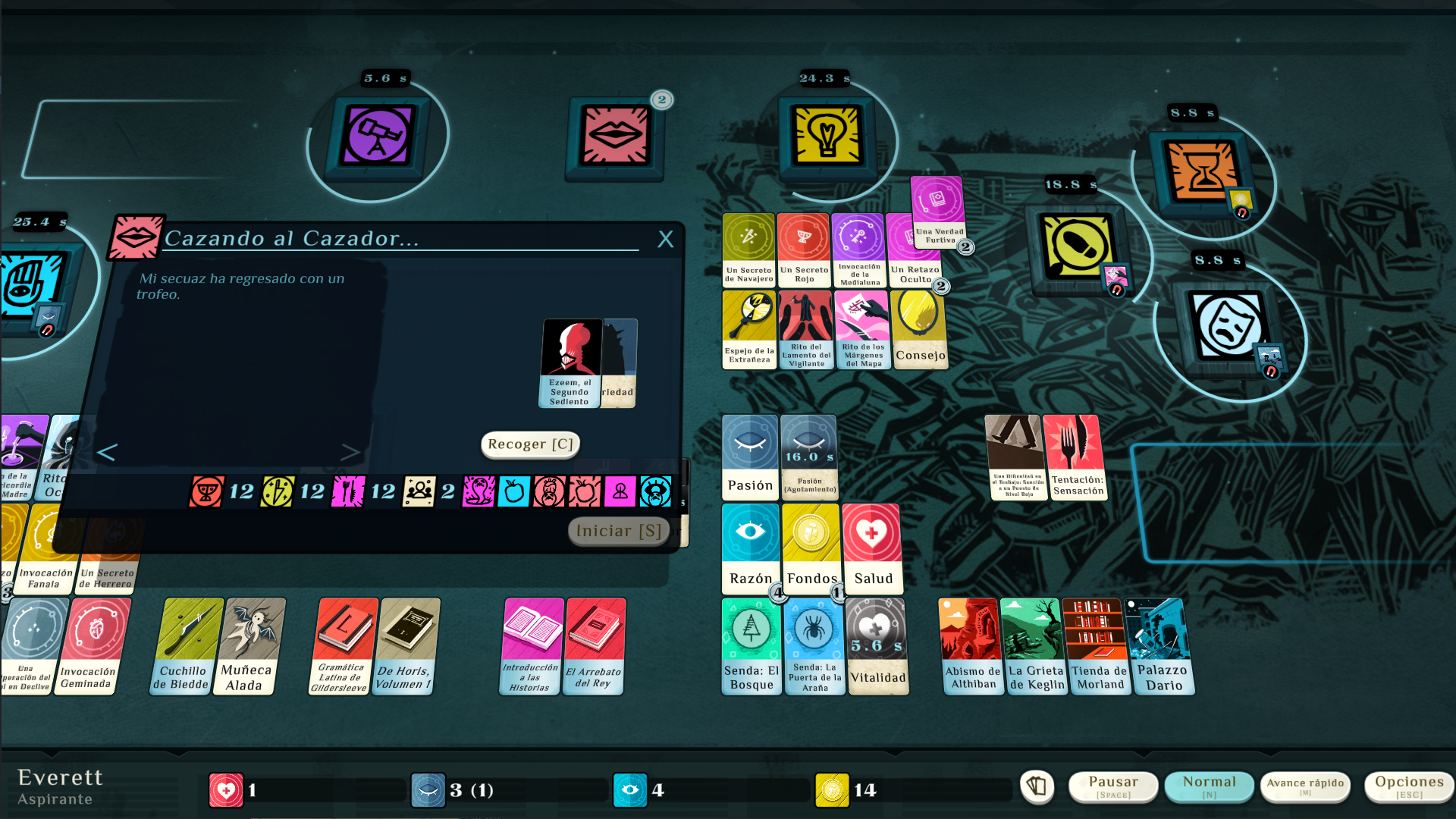 Like the title says: Cultist Simulator and all DLC is now fully playable in beautiful, beta’d French and Spanish! Thank you so much to everyone who helped test the game in either language over the last month. We really appreciate it.
 Enjoy, and thanks again! To any new players just beginning their journey to the House Without Walls, remember:
 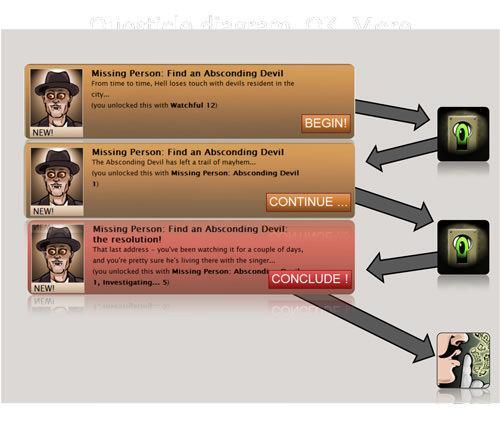 It occurs to me that it might seem odd for a programmer to go from using a versatile and powerful programming language to using a soft-cornered, simple one. One reason is that I wanted, from the start, to build a system that let a team work on expanding a big organic narrative - hence 'storylets' - and I knew that most people who wrote for Fallen London wouldn't be programmers. But there are two other reasons I want to talk about.
 The first is that I like the player to be able to build a mental model of what's going on inside the game. Game mechanics can be poetic, in the way a skeleton watch is poetic. If the framework is simple, or even elegant, you can make that poetry visible by making it visible through an interface that works like clear glass - or at least a translucency through which you can see the glow of differently coloured lights.
 That's why I described the CMS as 'soft-cornered' above. It limits the harm you can do and it allows you to make small, intuitively accessible changes, without changing the fundamental framework. When I started making Cultist, my first goal was to set up a framework that I could change when I was thinking like a writer-designer, without having to shapeshift into a coder and back again every time. (Expecially since, as I said above, I'd never coded in Unity! I needed help with the UI part of Cultist
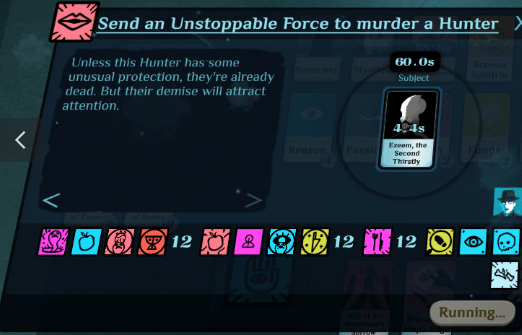 And these two differences are closely intertwined. Local aspects allow the player to experiment, implicit choices mean the results aren't visible before you find a solution. There are exceptions and refinements to everything I just said! but that's the principle of the thing. Neither approach is better than the other - they're different designs for different games (although I wish I'd hit on the elements-have-aspects relationship in Cultist back in the Fallen London days - it would have saved a lot of duplication).
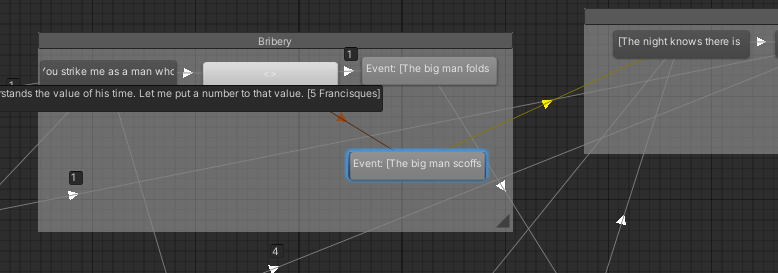 But where are the qualities and/or aspects in this?
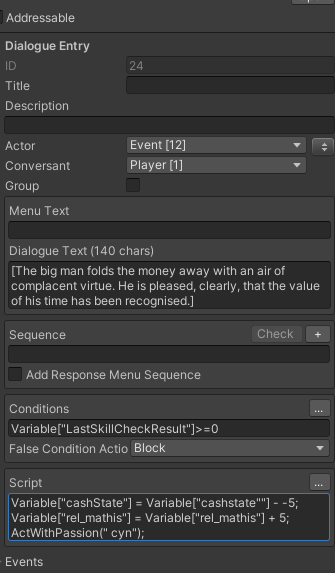 Coder or not, you can probably get a general sense of what that code checks and does. But coder or not, you would probably struggle to remember the syntax and the variable names when typing it in a text box. And coder or not, you would have to be fairly sharp-eyed to notice that there are three typos in the 'Script' box, one of which would crash the game. Lua scripting is not soft-cornered. It's not the kind of thing you can slip casually back into halfway through a writing session, without risking mistakes.
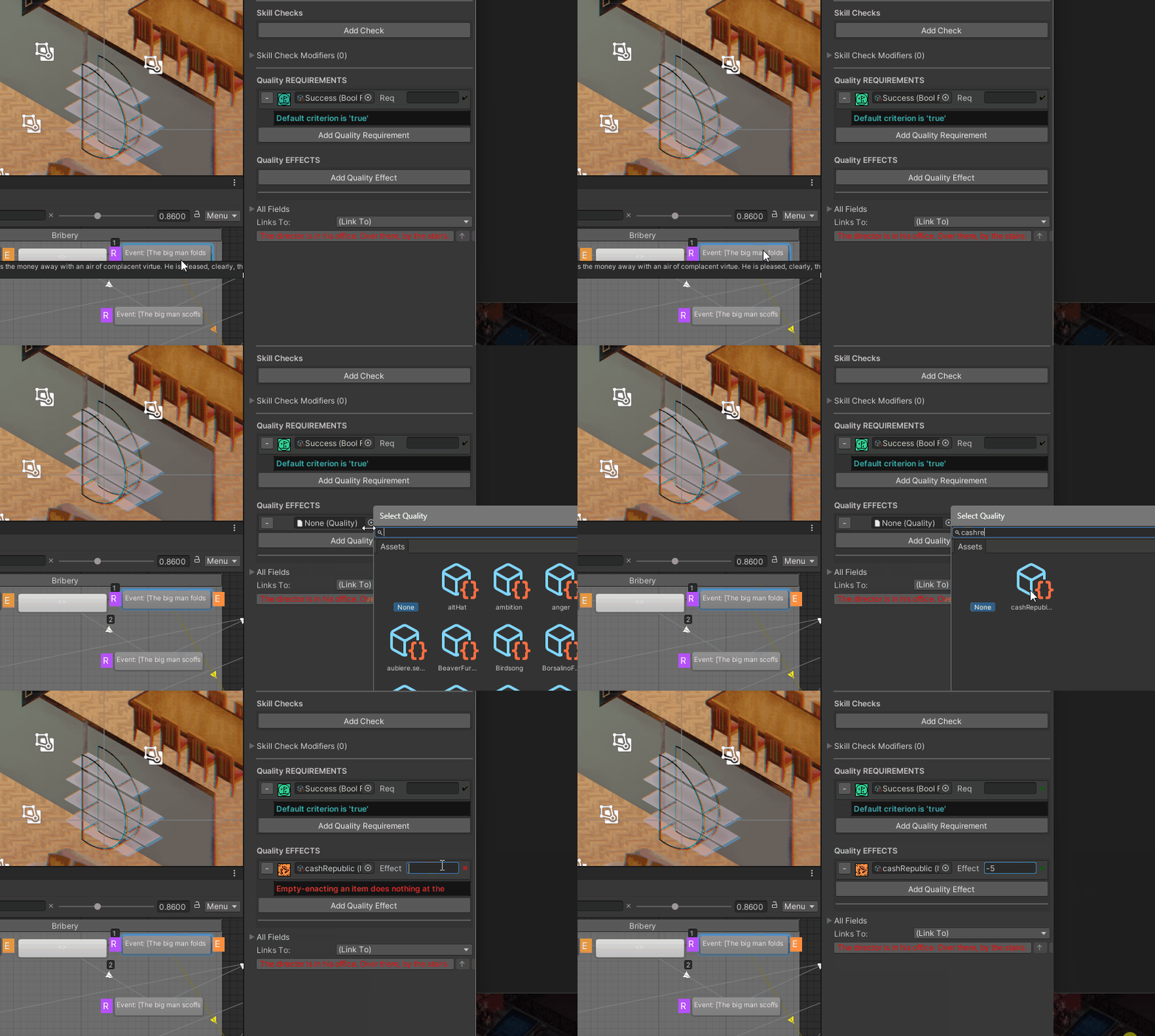 and this:
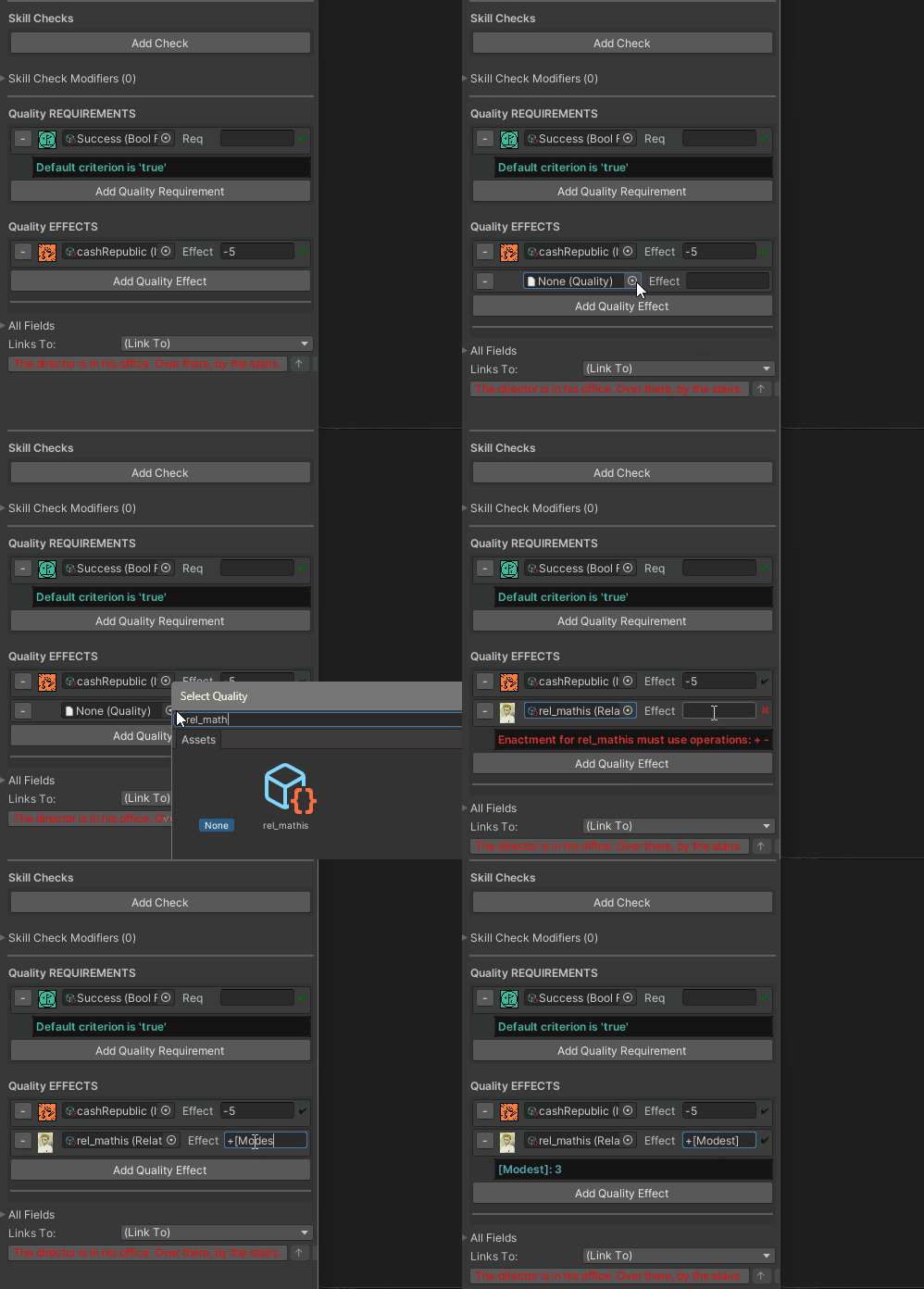 ...which makes writing sessions considerably less of a white-knuckle experience.
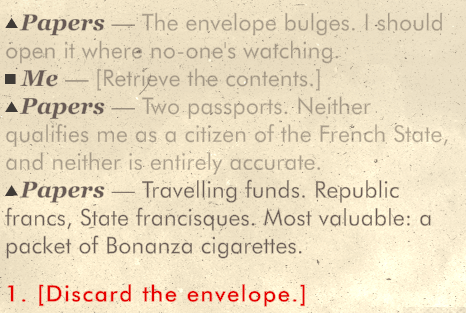 and this godawful vexillological delinquency. Pétain adopted it as his personal insignia in the Vichy years, and in our divergent history, where the wars are won but France remained divided, it flies yet over Antibes.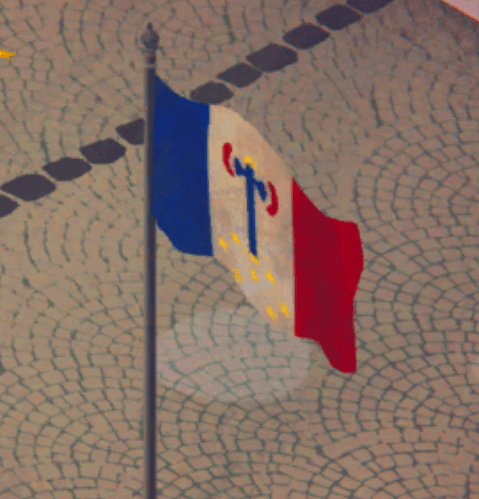
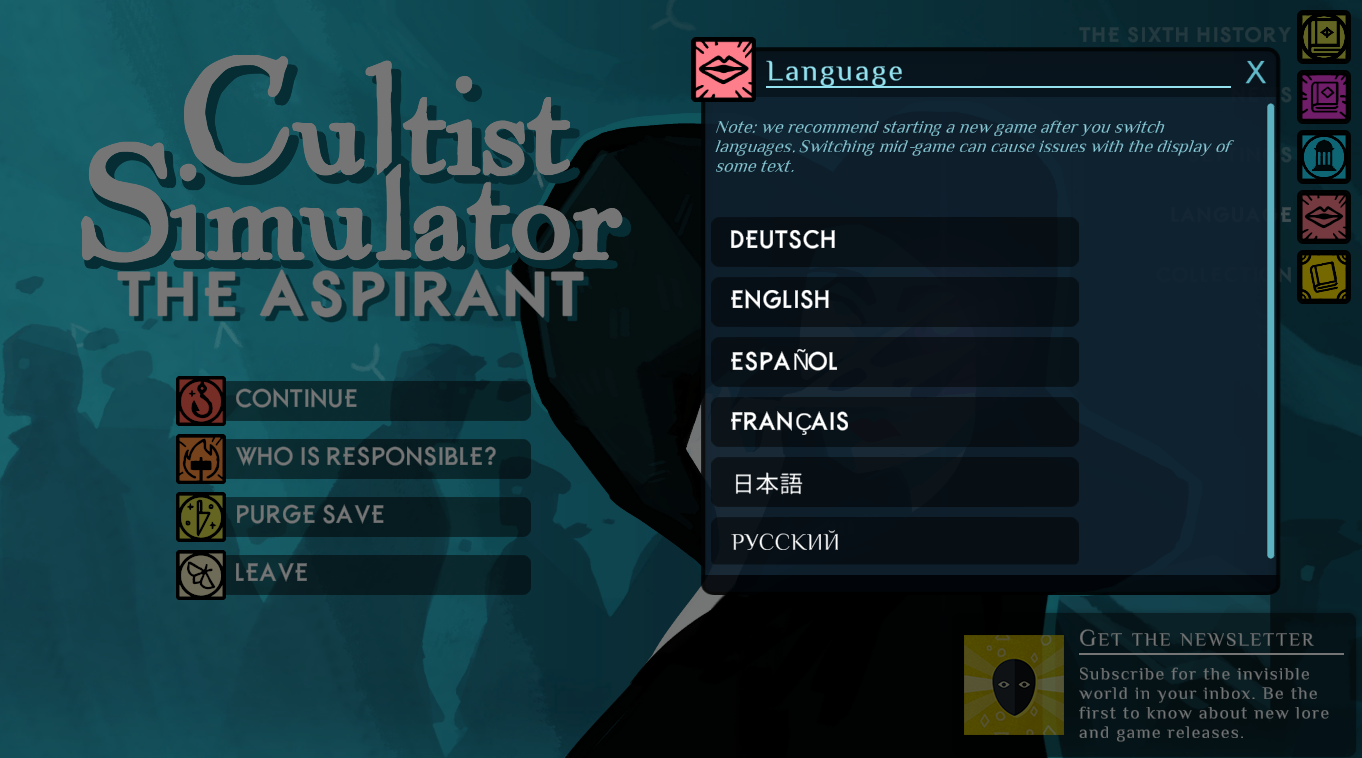 Players are the best translators because so much of Cultist Simulator depends on beautiful language and specific, referential lore. So if you are fluent in either French or Spanish, we’d love you to play the game in its new form and let us know if there are any oddities or errors.
  Now, some LORE. Be warned: minor spoilers for Travelling at Night, and inconsequentially minor spoilers for BOOK OF HOURS. Don't read on if that concerns you! We are also now switching from Lottie writing (hello!) to Alexis, so good luck.
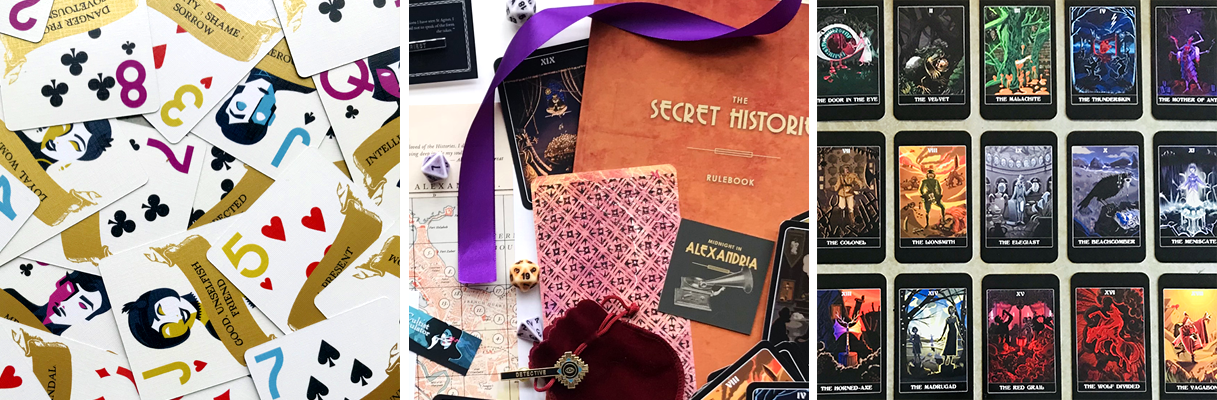
 I spose maybe we should just keep reposting this image with every blog:
 I hoped we were going to get to go to Ortucchio in Travelling at Night, but we probably don’t have budget for DLC. We’re not going to Paris, because Nina has excellent reasons to refuse ever to return there. But our itinerary does include some time in the mountains.
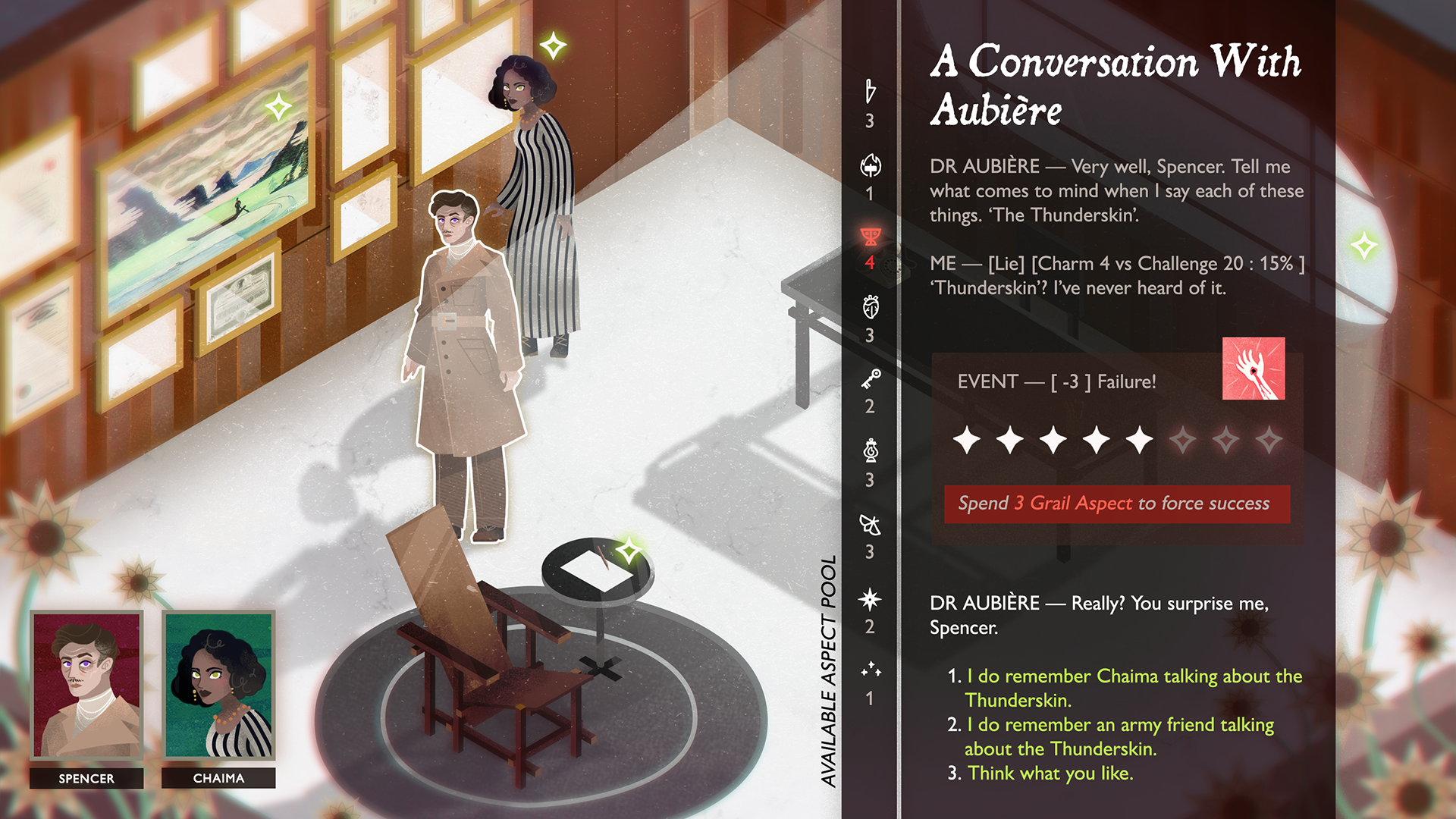 Travelling At Night is *really* early in production, so everything you see on the store page may change. Anyone who saw the Steam page for BOOK OF HOURS back in 2019 knows what I mean. But we think it's indicative of where the game is going: it'll be an isometric narrative-driven Disco-like CRPG. You walk around in it. At some point Alexis makes you make a horrible decision about the true nature of Grail or the origin of the Snub-Nosed Cat or whether to wear a hat given to you by a Ligeian that has a faintly gammony smell. Fascination ensues.
 We don't have a Steam page we can send you to (YET), but if you like what you see, follow our developer page on Steam and you'll be pinged when we announce it!
 Check out the store page
 Loading

