



Install Steam
sign in
|
language
简体中文 (Simplified Chinese)
繁體中文 (Traditional Chinese)
日本語 (Japanese)
한국어 (Korean)
ไทย (Thai)
Български (Bulgarian)
Čeština (Czech)
Dansk (Danish)
Deutsch (German)
Español - España (Spanish - Spain)
Español - Latinoamérica (Spanish - Latin America)
Ελληνικά (Greek)
Français (French)
Italiano (Italian)
Bahasa Indonesia (Indonesian)
Magyar (Hungarian)
Nederlands (Dutch)
Norsk (Norwegian)
Polski (Polish)
Português (Portuguese - Portugal)
Português - Brasil (Portuguese - Brazil)
Română (Romanian)
Русский (Russian)
Suomi (Finnish)
Svenska (Swedish)
Türkçe (Turkish)
Tiếng Việt (Vietnamese)
Українська (Ukrainian)
Report a translation problem

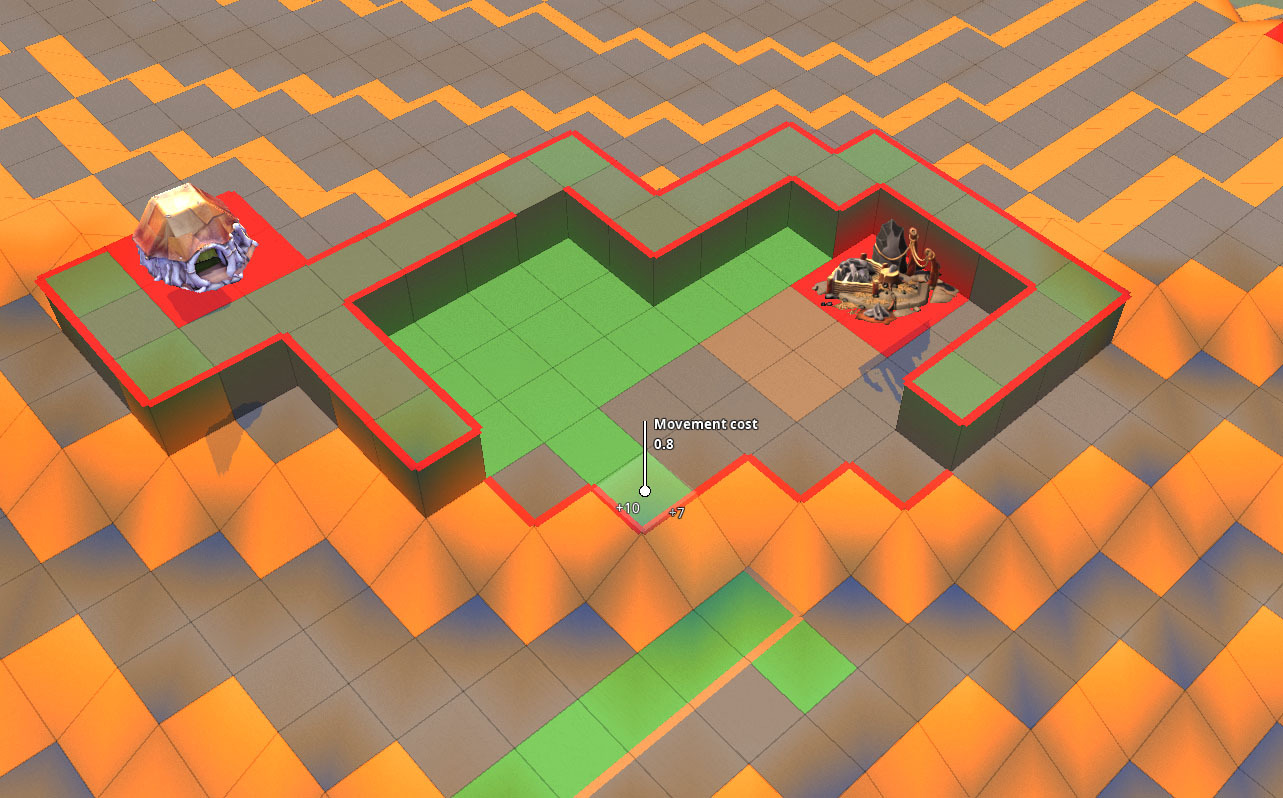
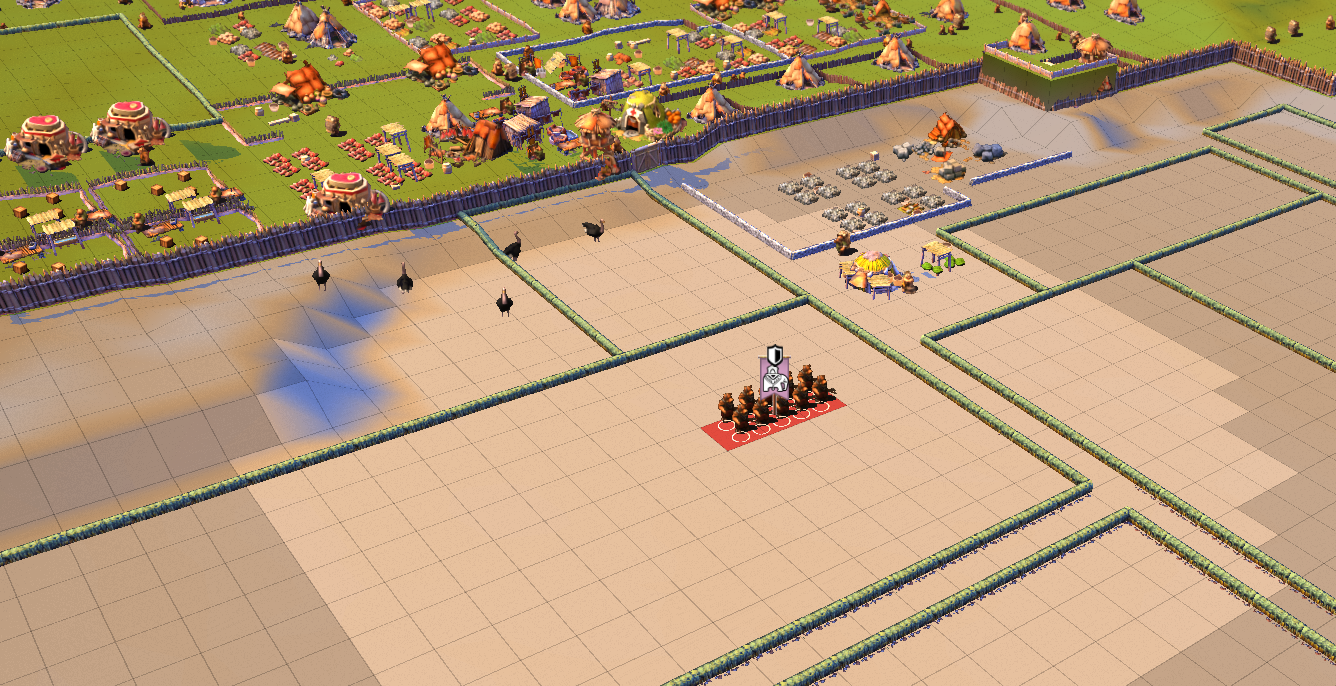
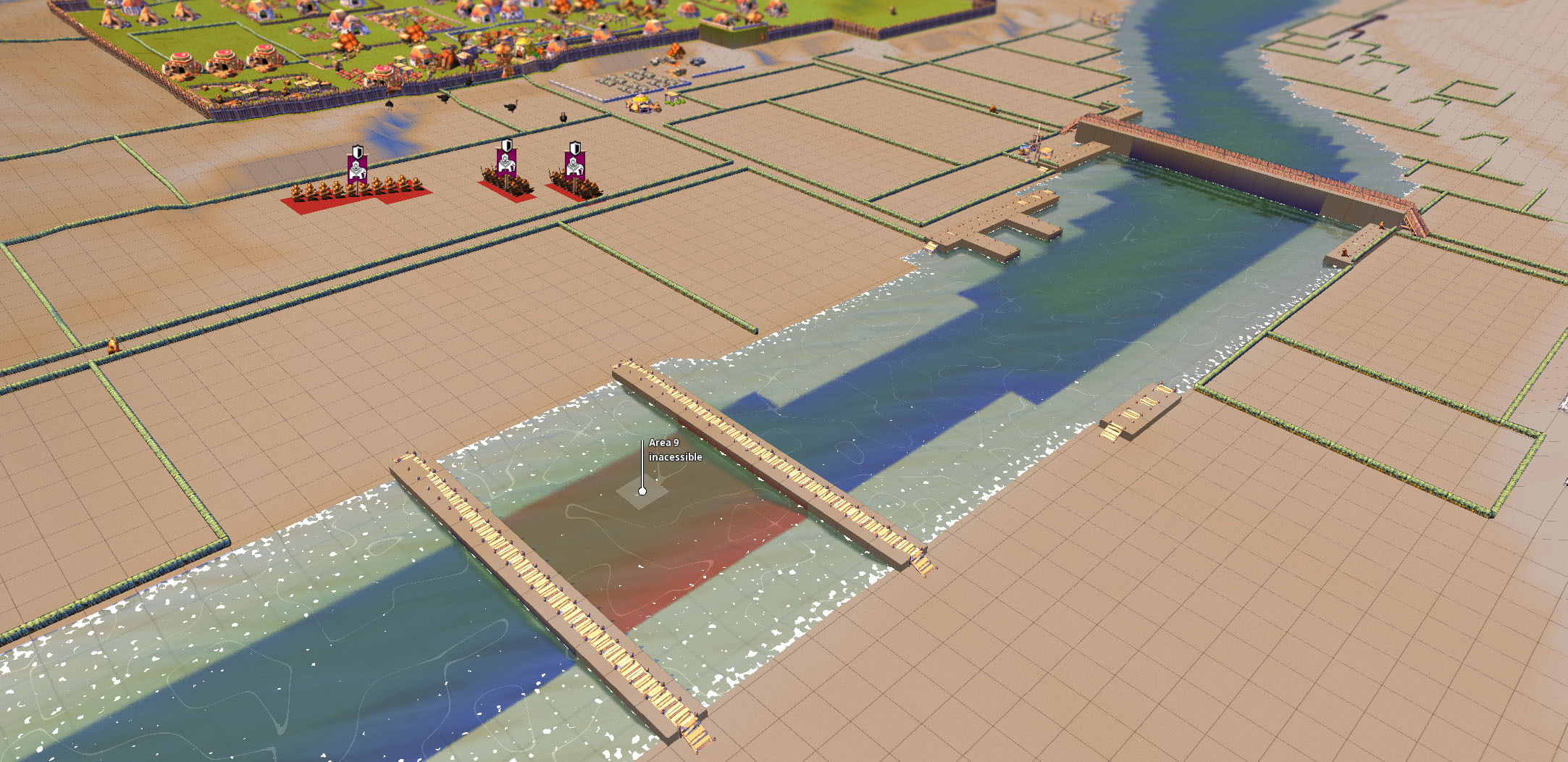
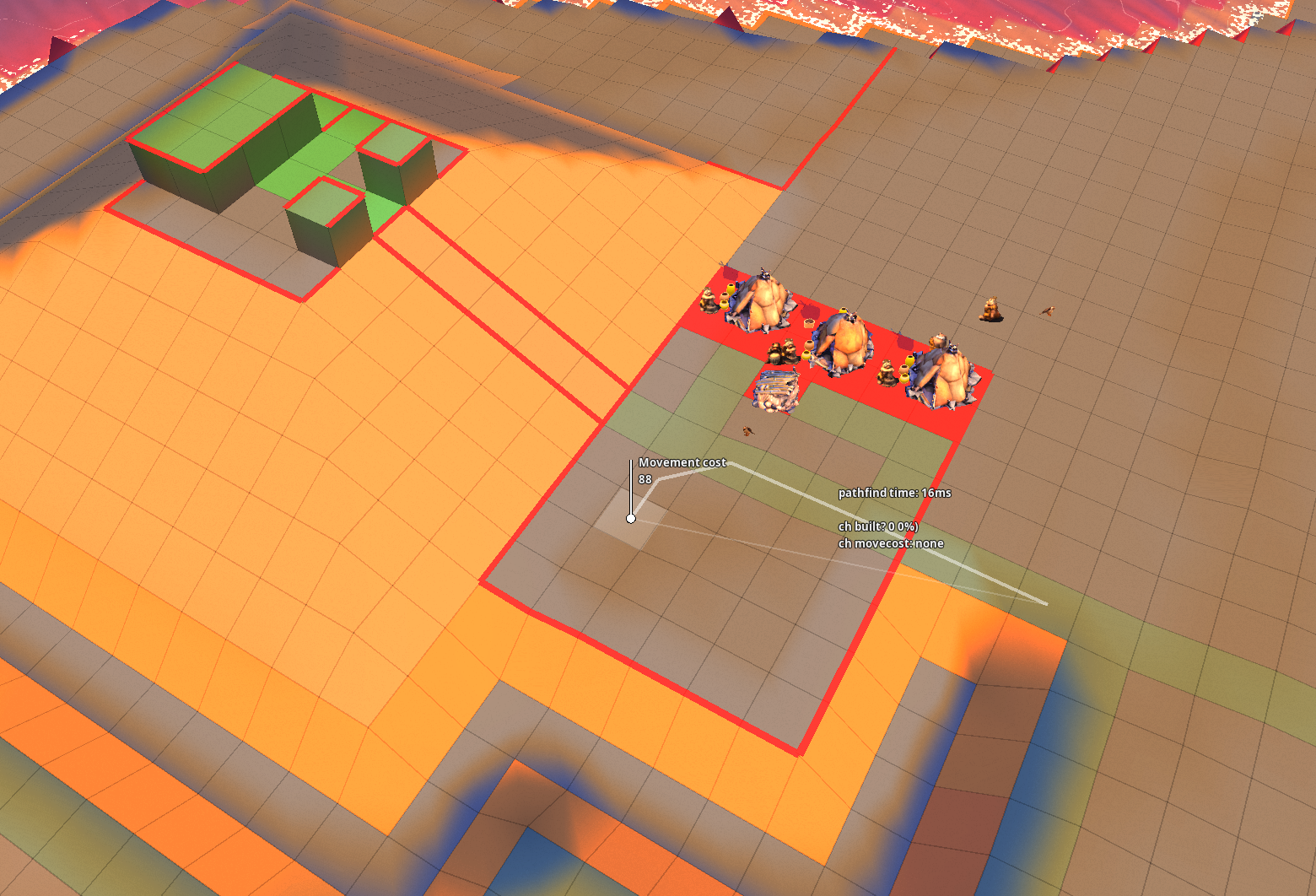 I've also added to the "movement cost" display layer the ability to test and display paths, which will give you as a player an idea of what the default path between 2 points in your fortifications would be, helping you design and test your defenses.
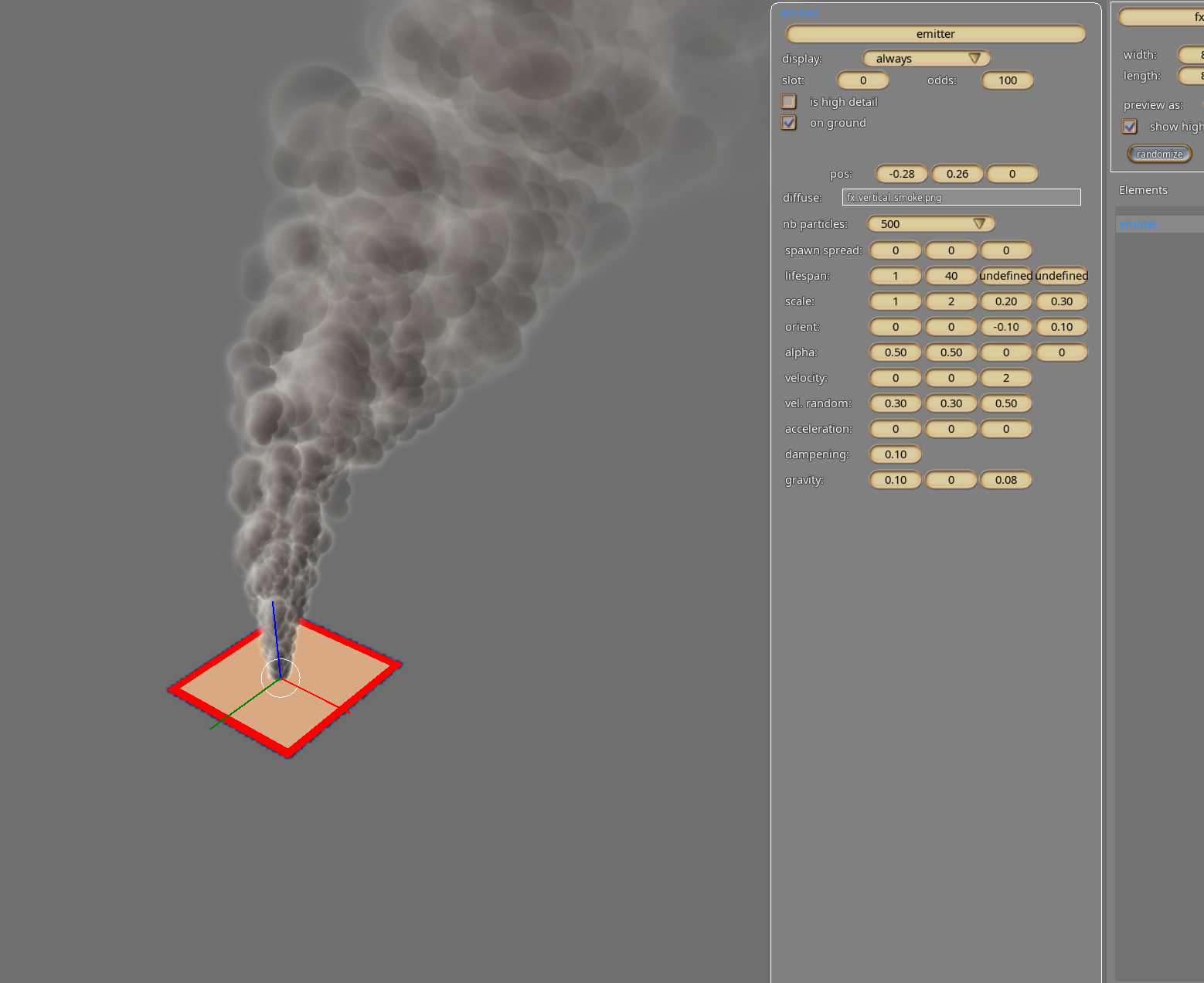 Then i implemented particle emitters into my ingame asset editor, allowing me (and in the future hopefully potential moders) to easily design VFXs by combining various emitters, seeing the effects of tweaking its various controls in realtime.
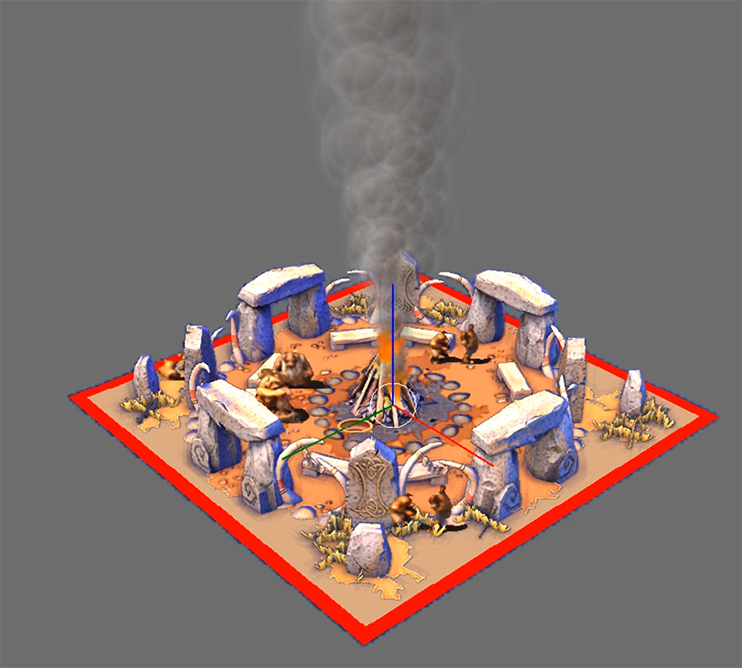 Then i also implemented in my assets system and in my in-game editor the ability to call an asset inside another asset...
 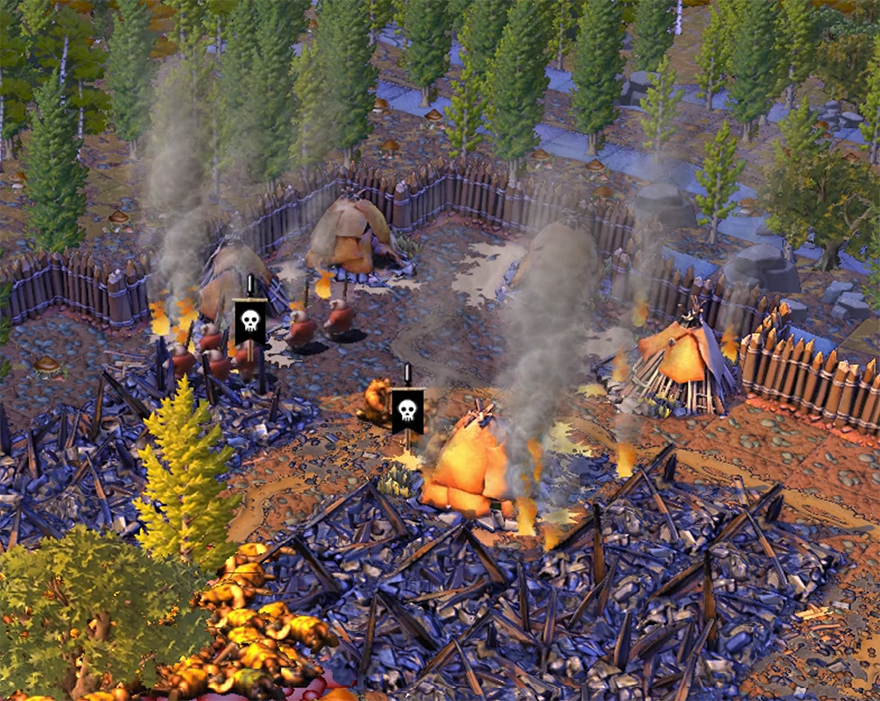 Buildings destruction are back ingame, with fire followed by collapse and rubble.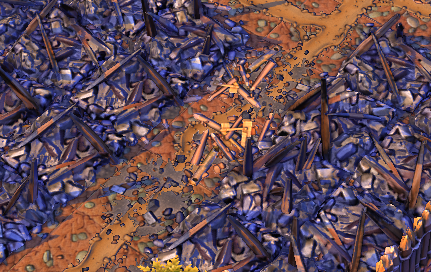
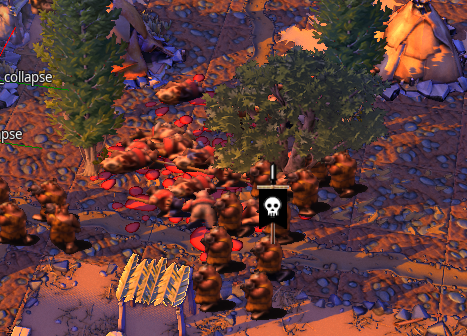
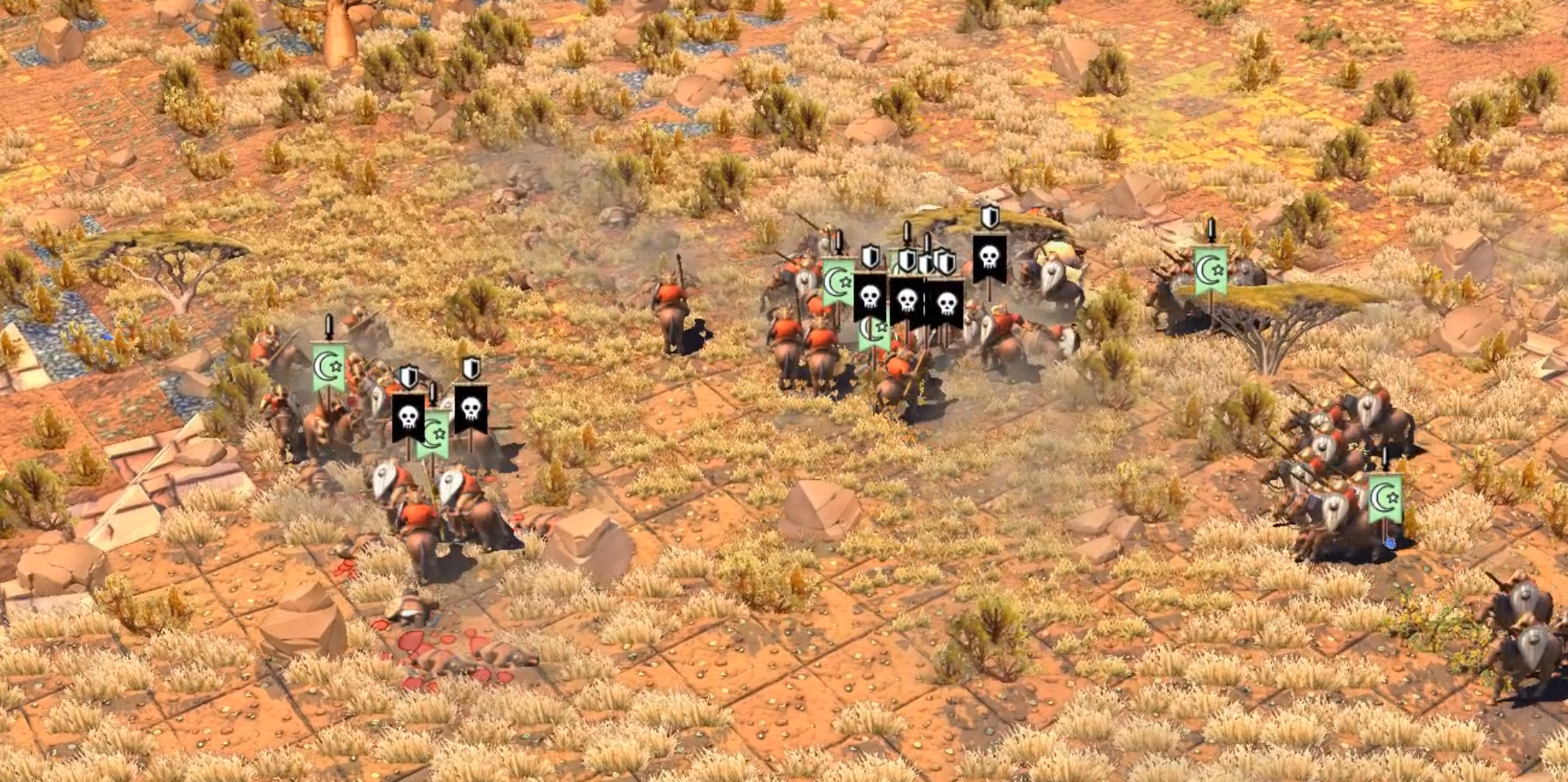
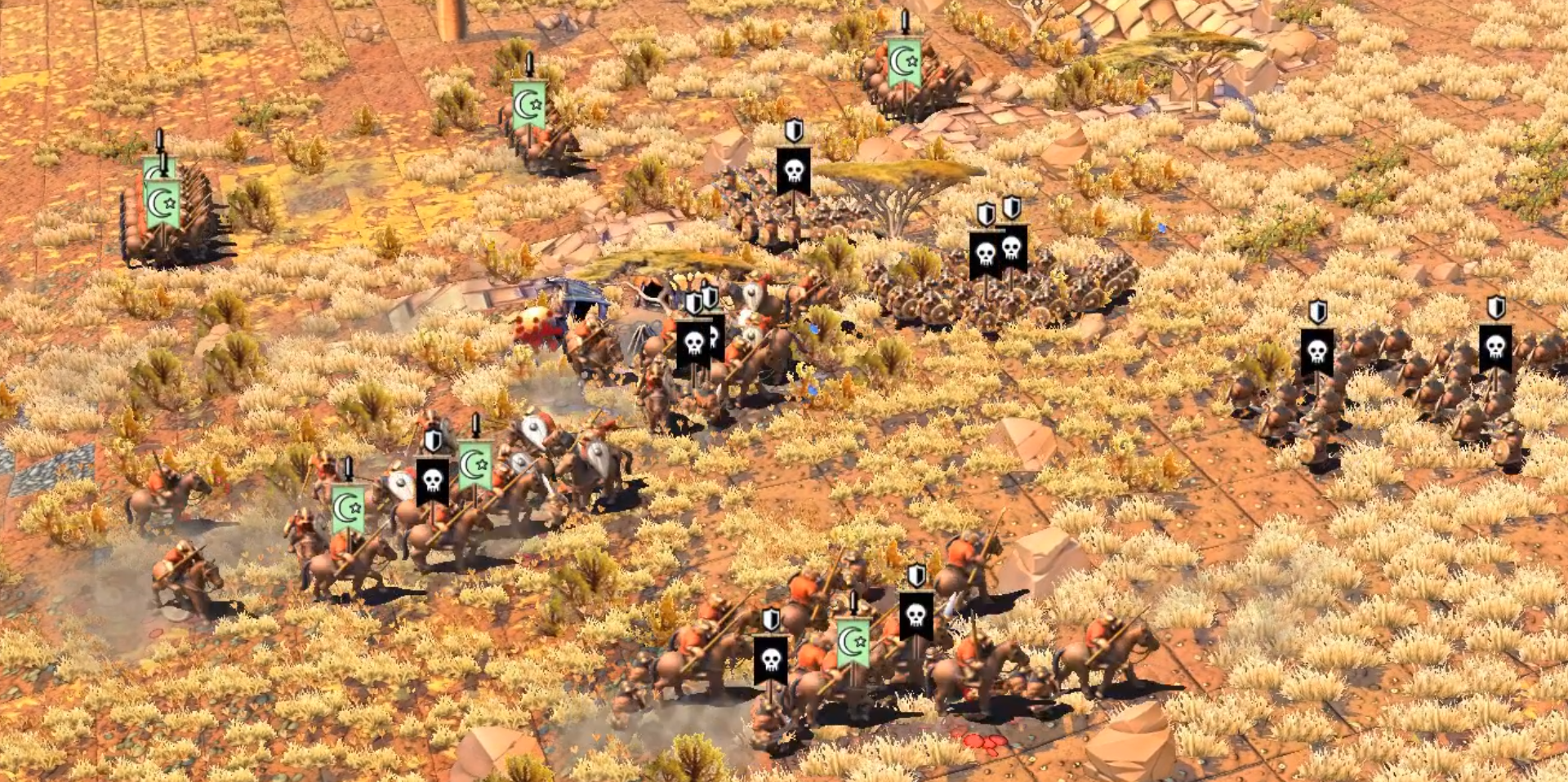
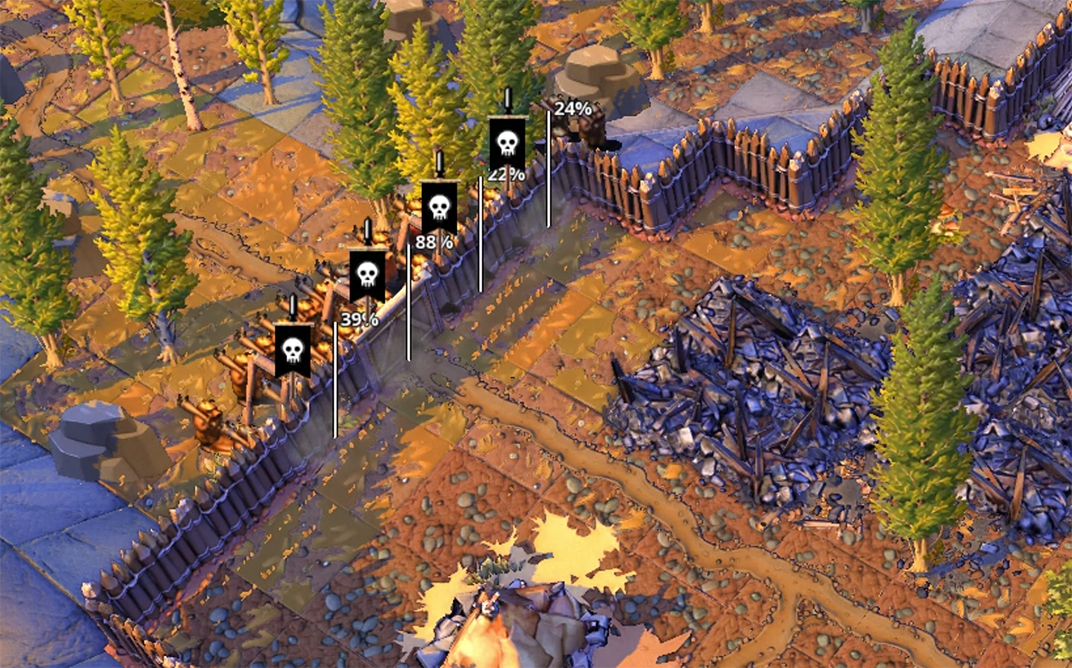
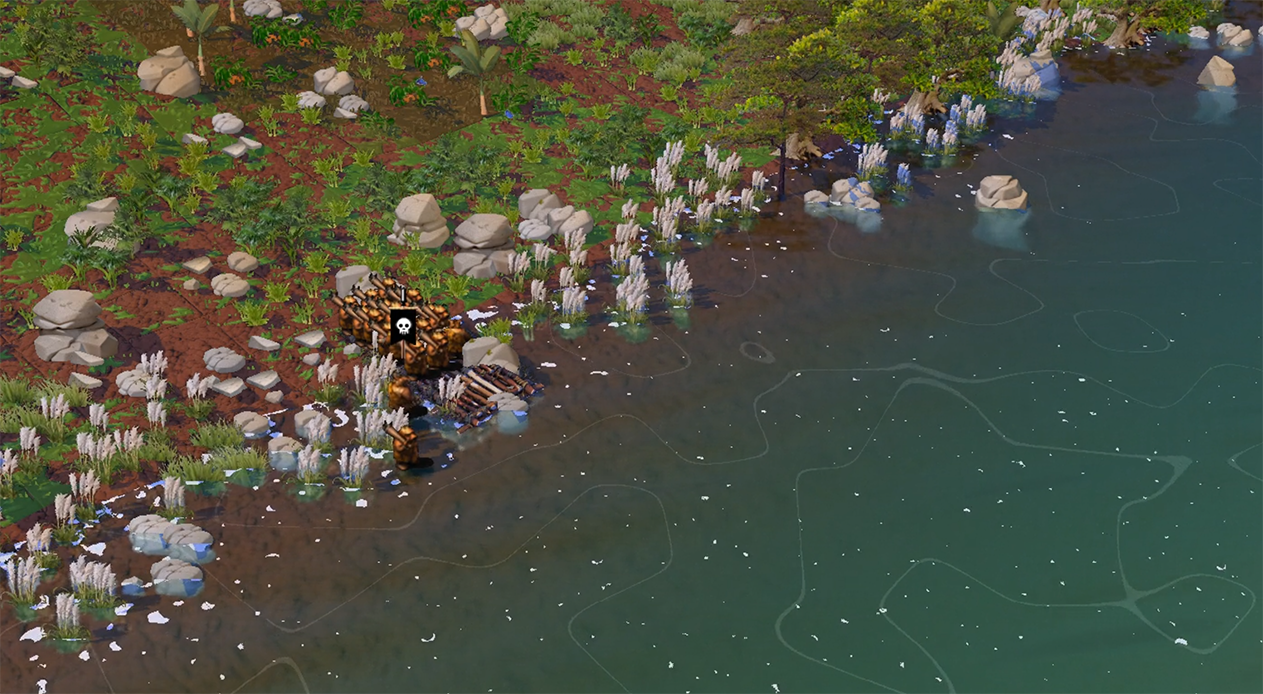
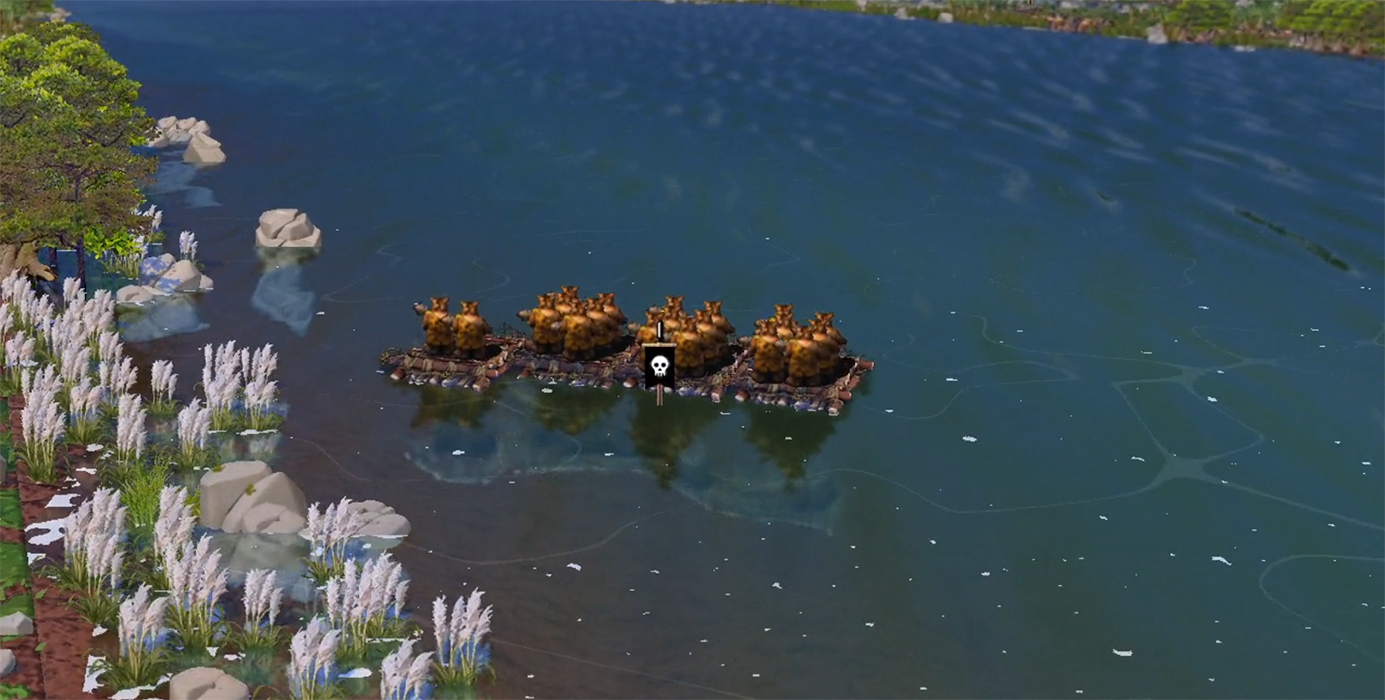
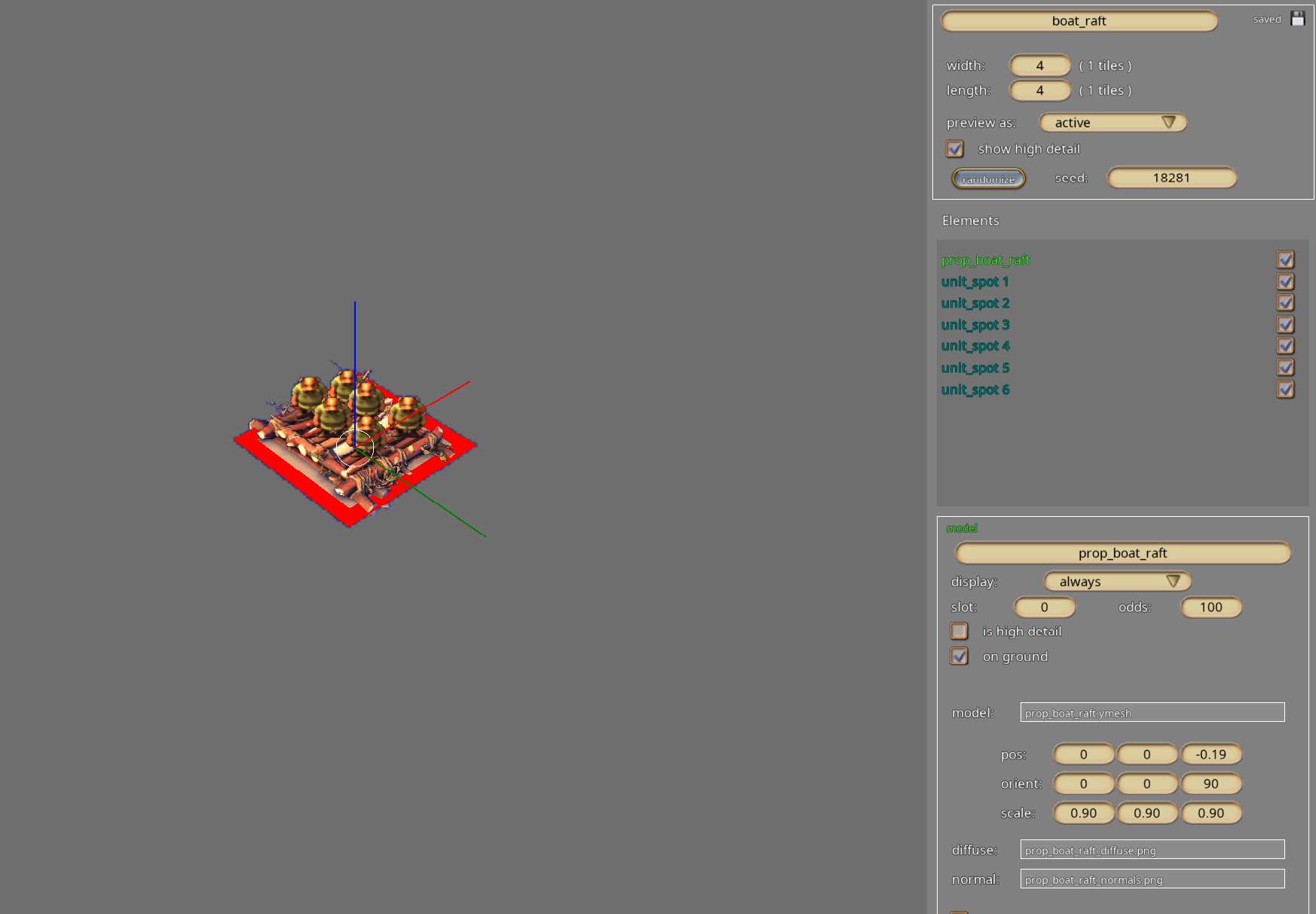
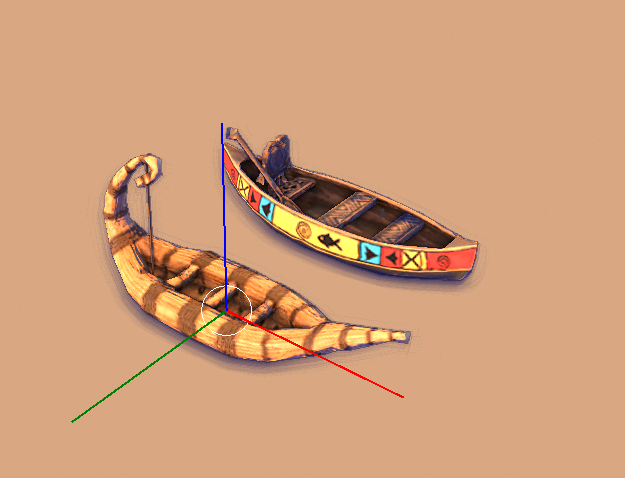
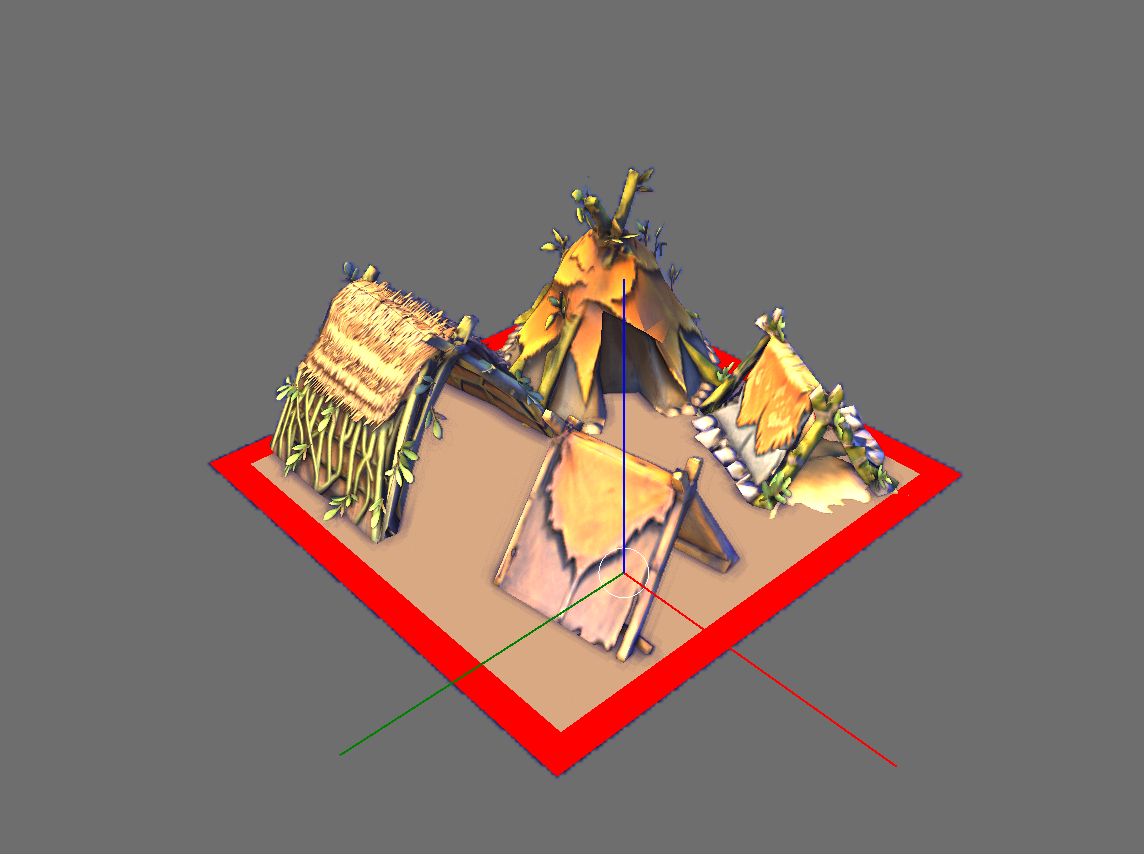
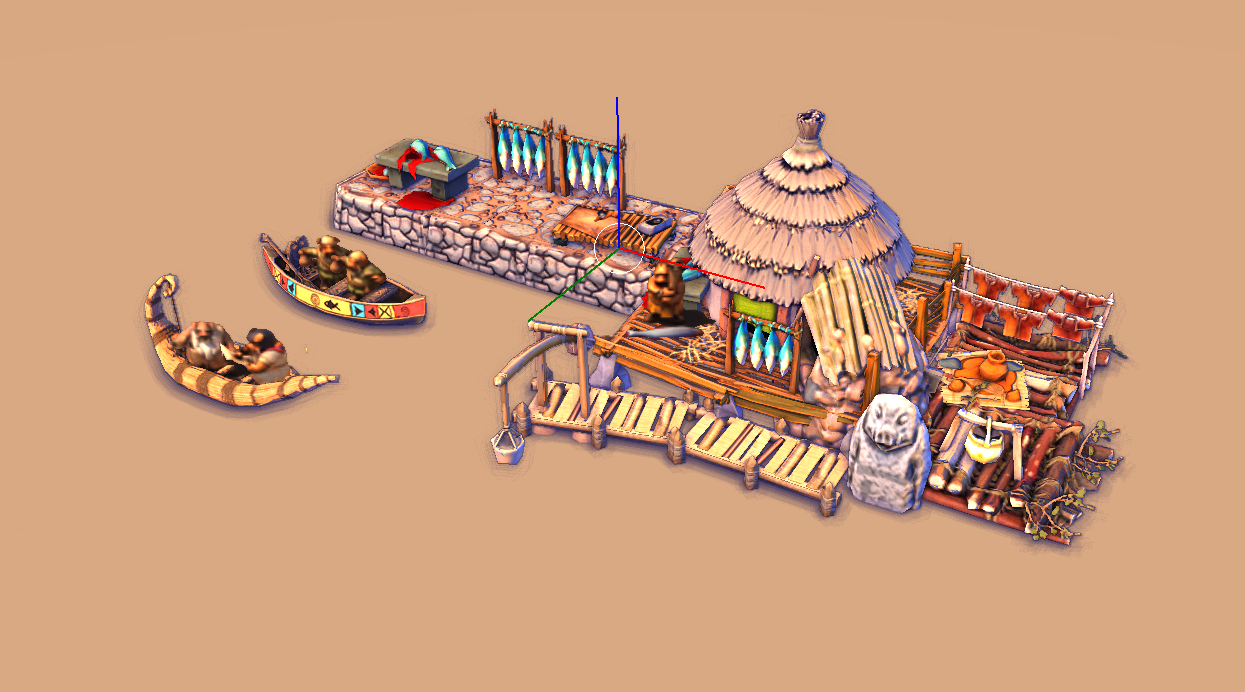 Had fun in the asset editor creating this small scene, completely useless!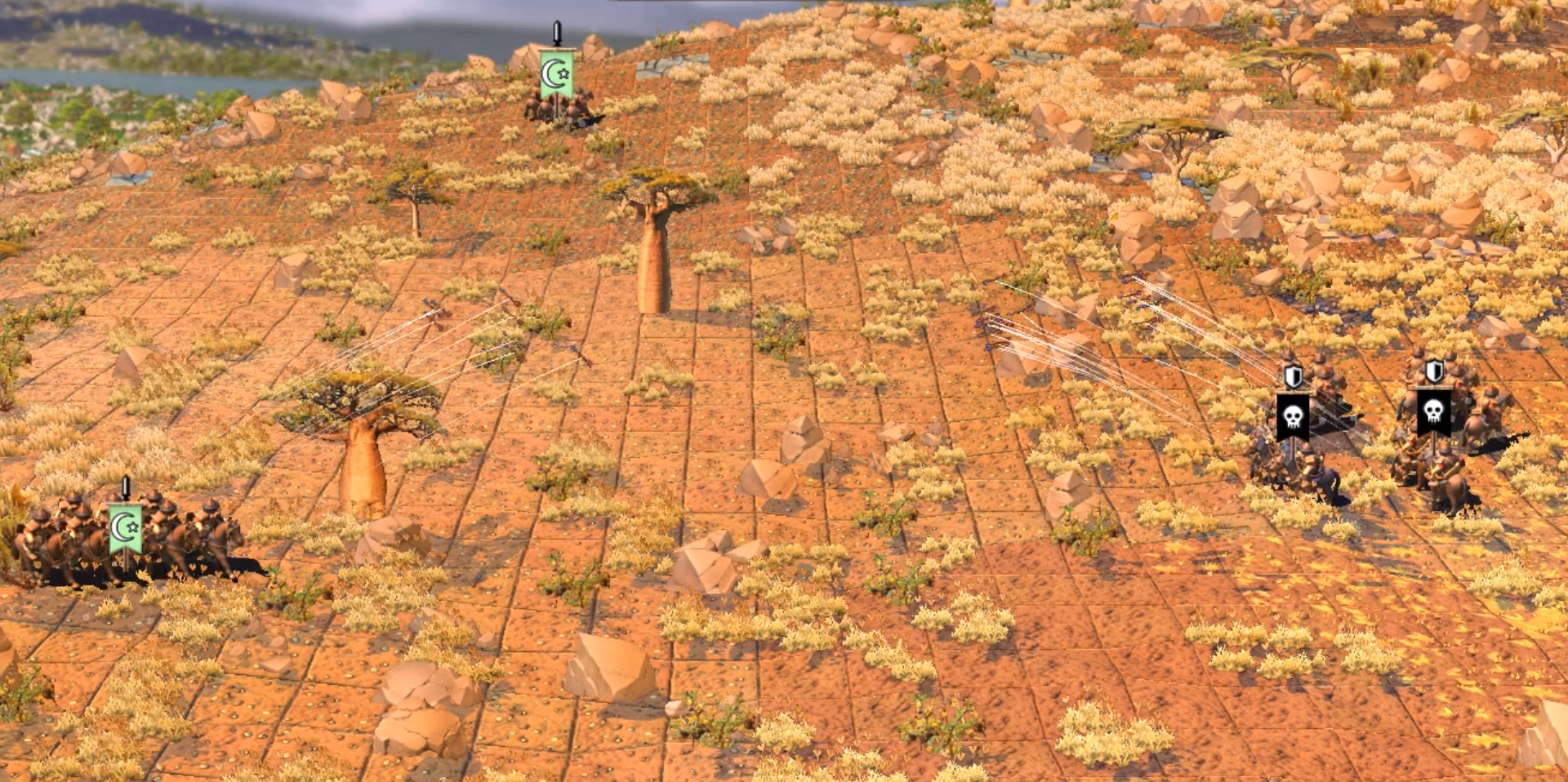
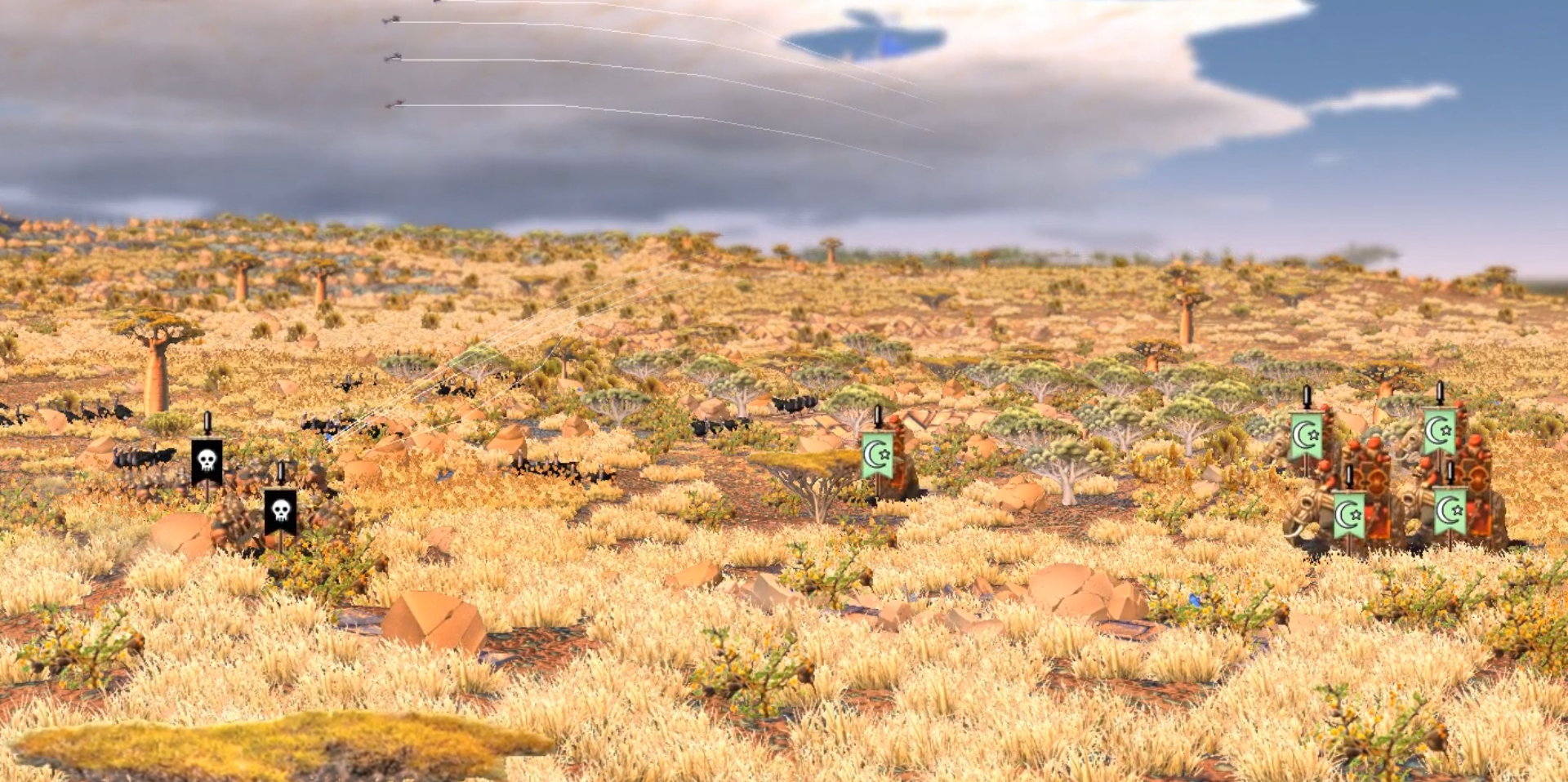
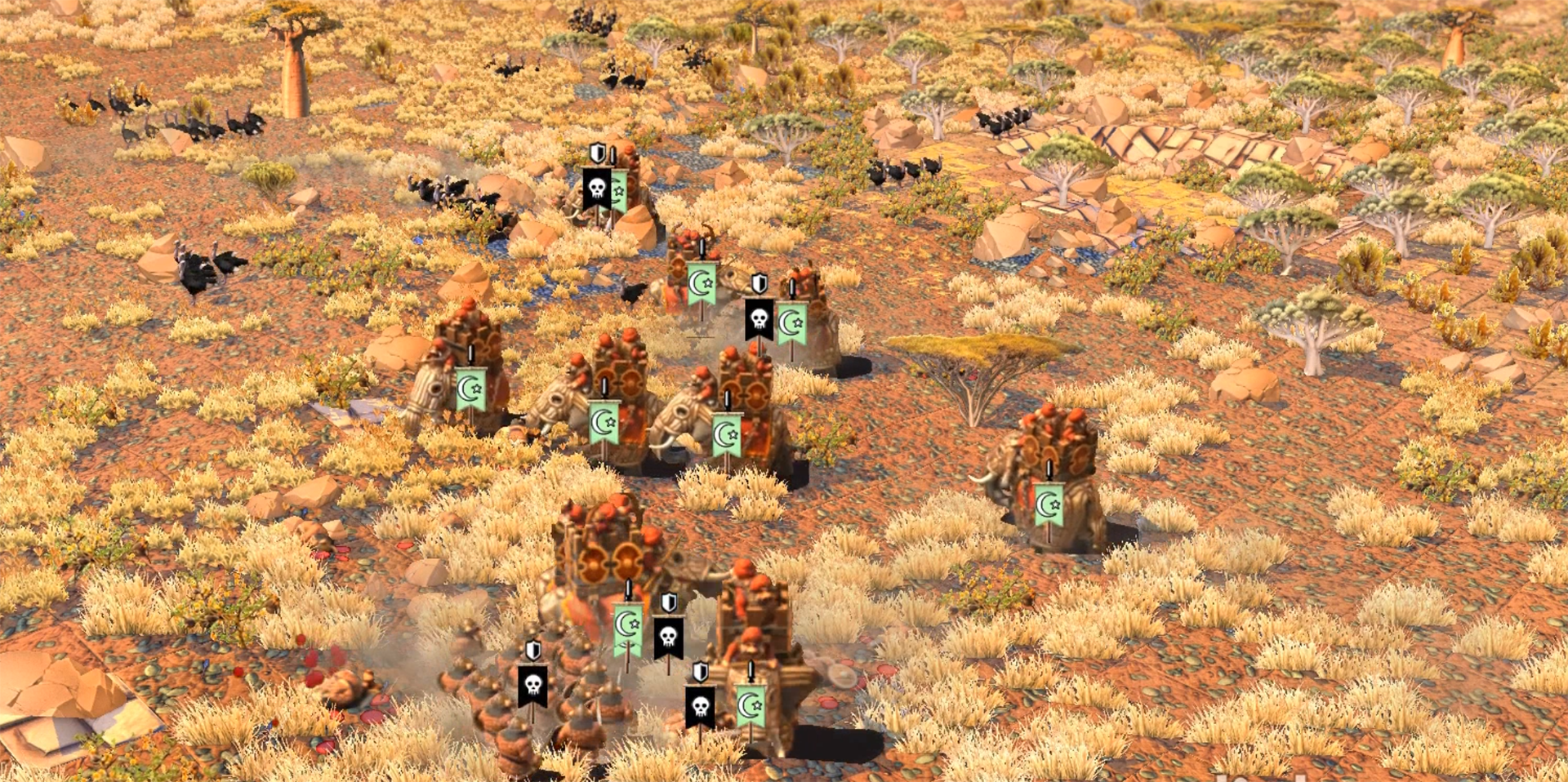
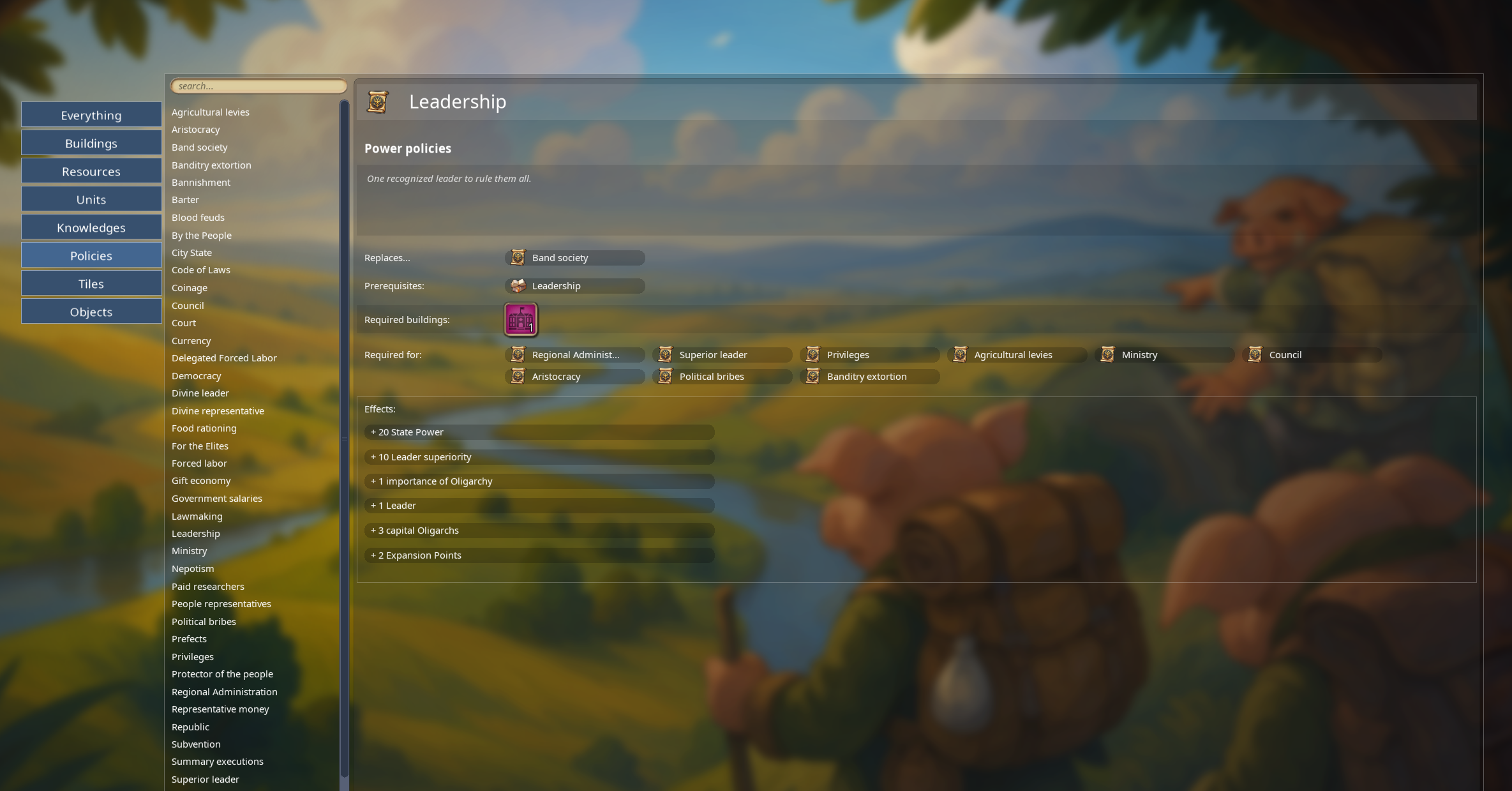
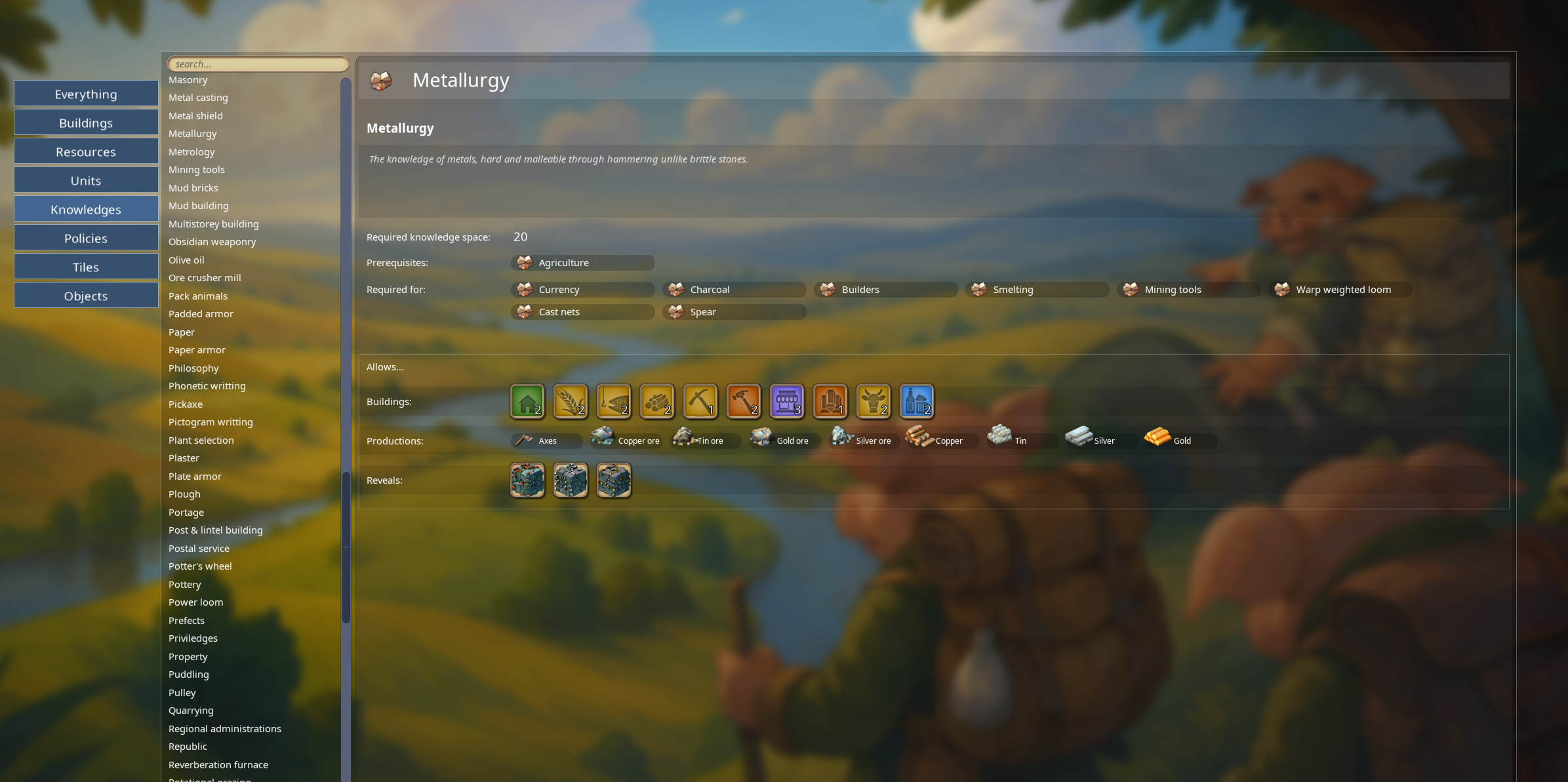
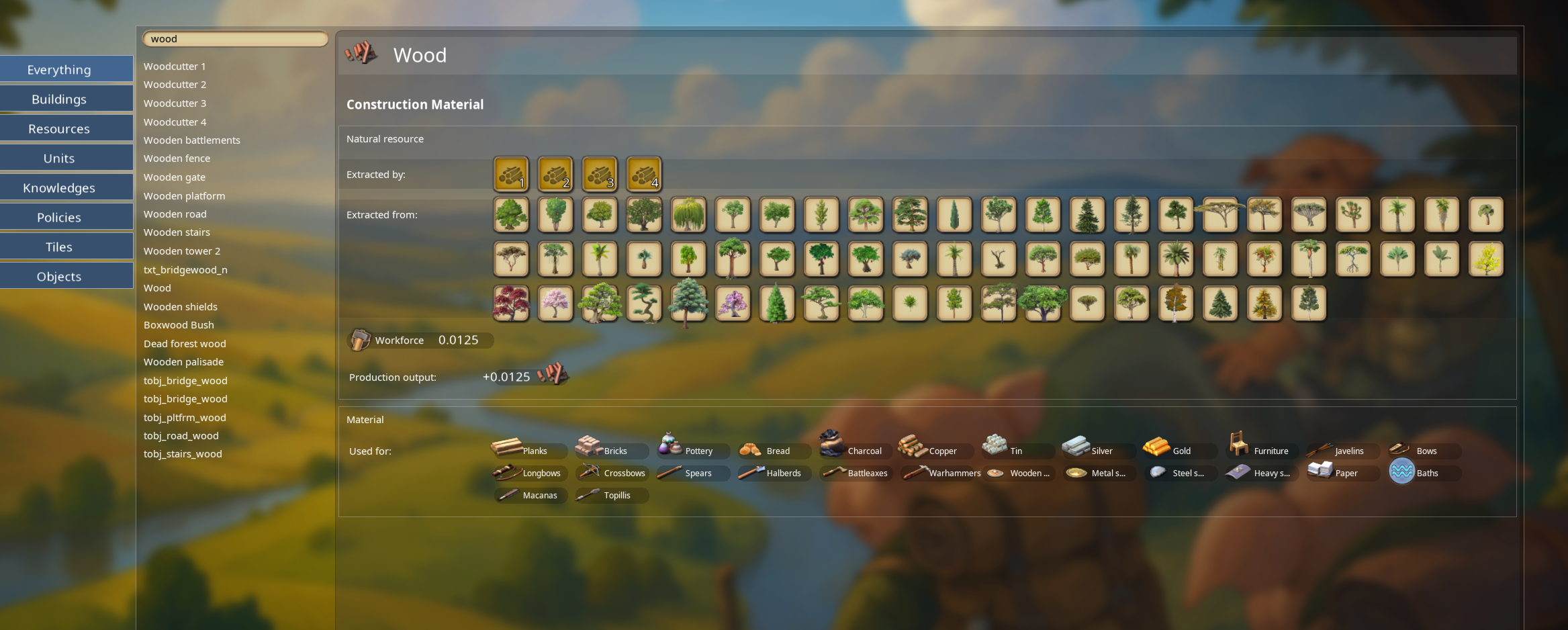 I hope it will be worth the work it requires, making it much easier for new players to understand the game's complex mechanics without requiring outside help, which has always been a big factor putting people off from Ymir.
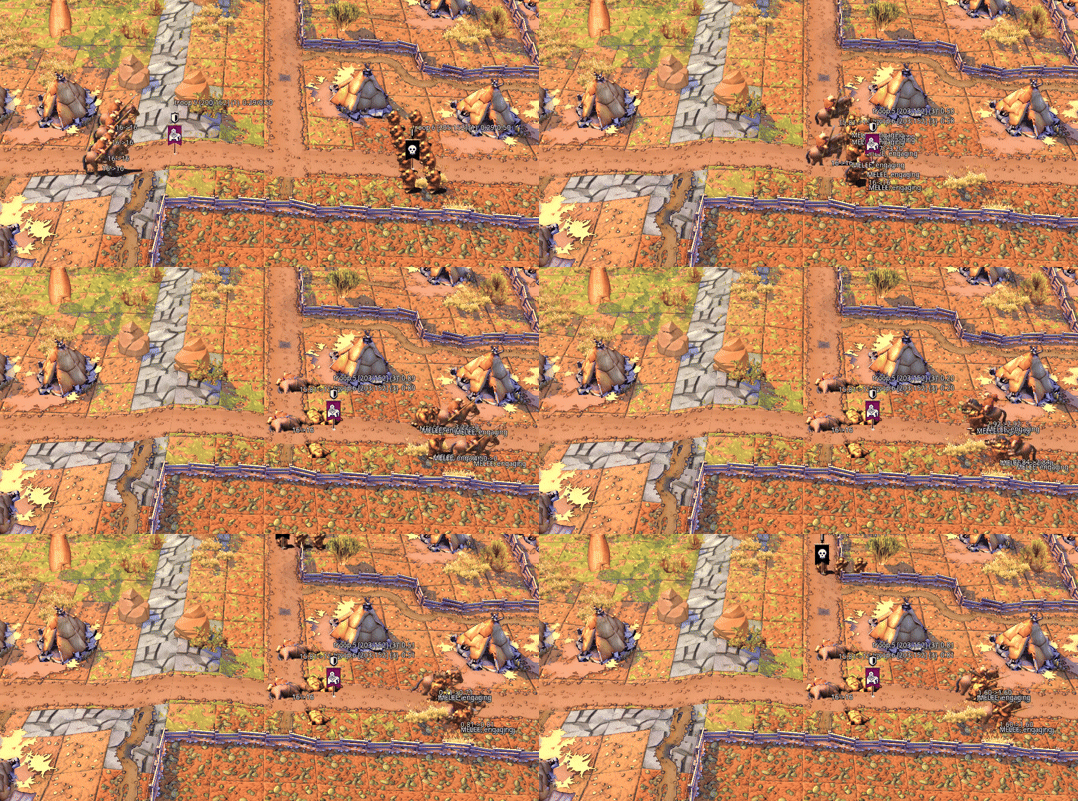
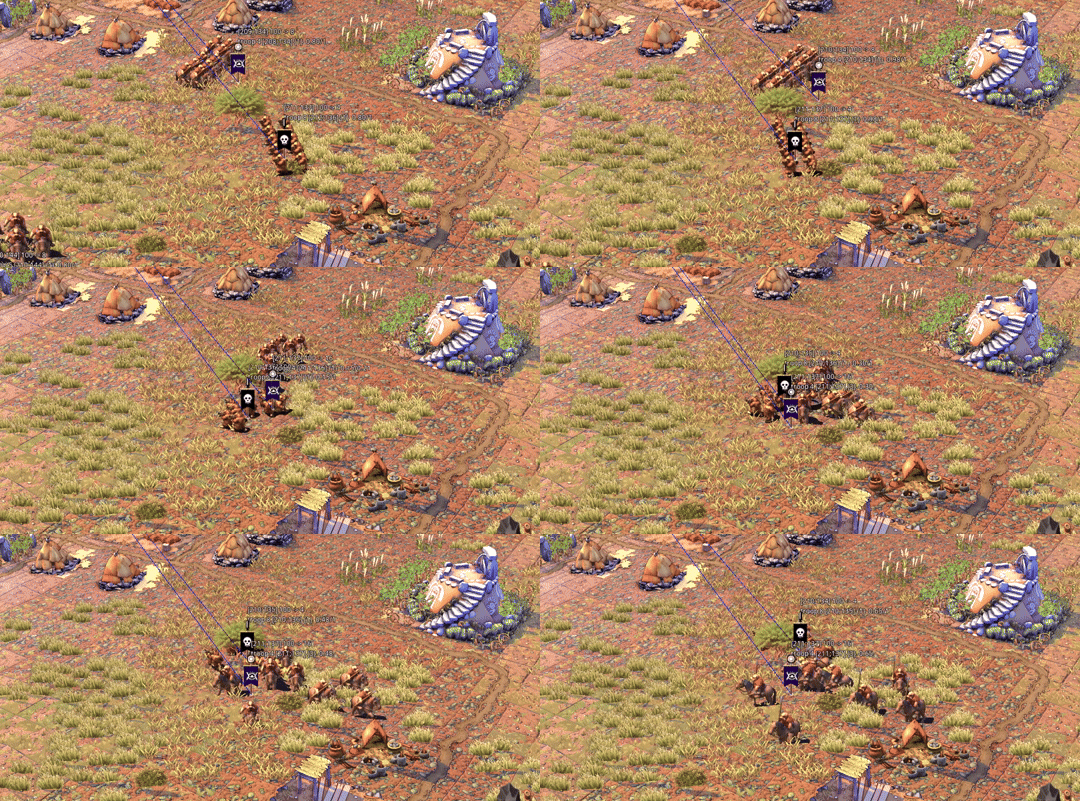 Melee behavior of units in general has also been improved, notably to better prevent the problem of all units piling up into a single tile, making things visually confusing.
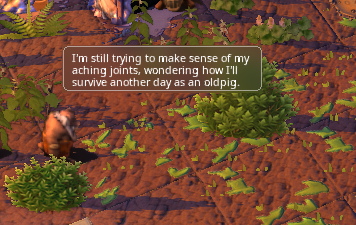
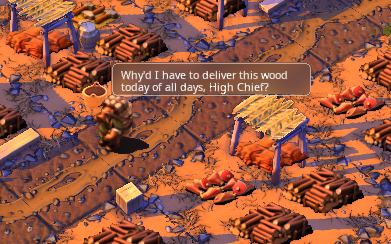 Each Porco has its own personality traits, background, and opinion of the player's leadership (based on the overall loyalty of the territory). They will comment on Policies they don't like, current events, or their personal stories and woes.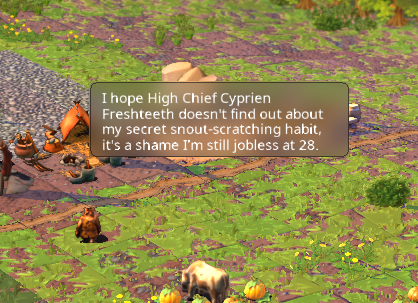
 But on top of that, you can actually choose to respond and chat with any of them.
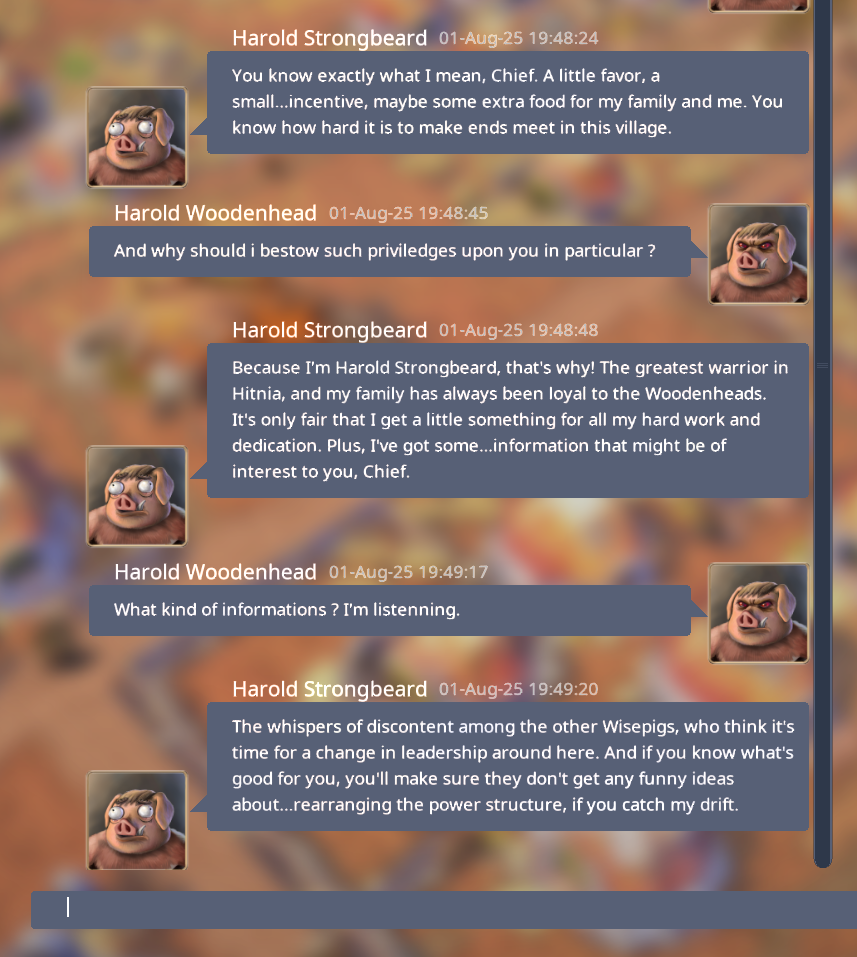 This is just an option to make the game feel more lively, and to have fun with.
  This option also significantly increases your system requirements if turned on, because with Ollama the model runs entirely on your machine and nothing goes online.
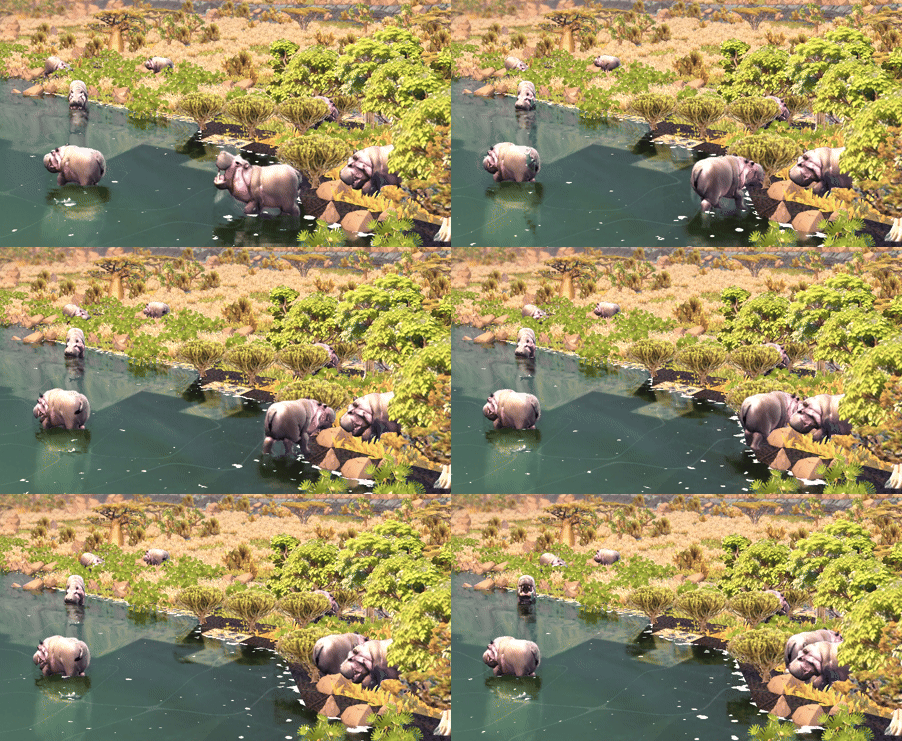 Hippos will sometimes appear on shores of freshwater in Savanas.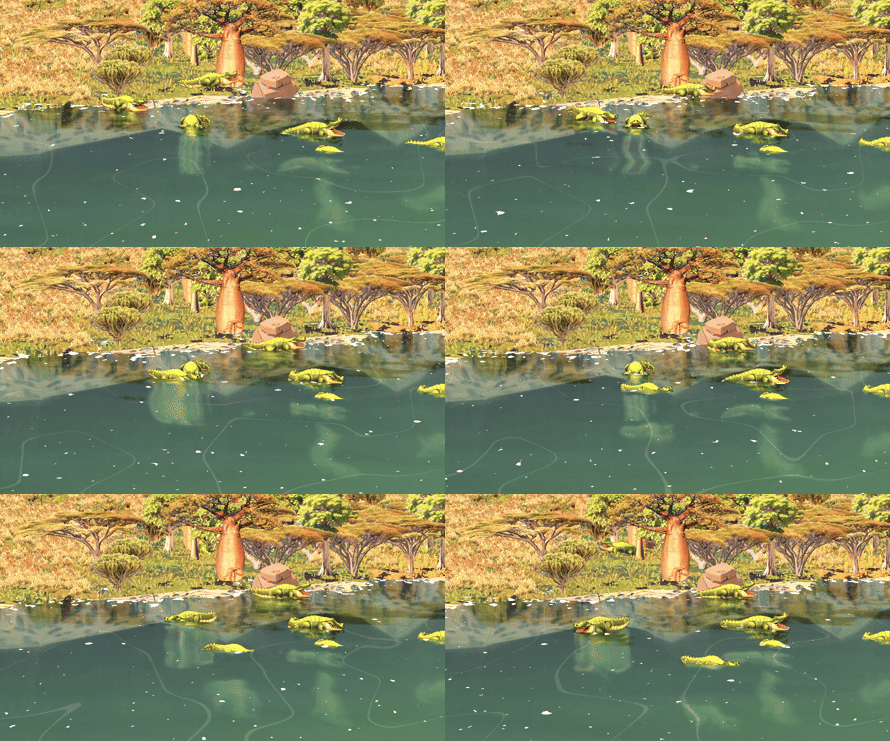
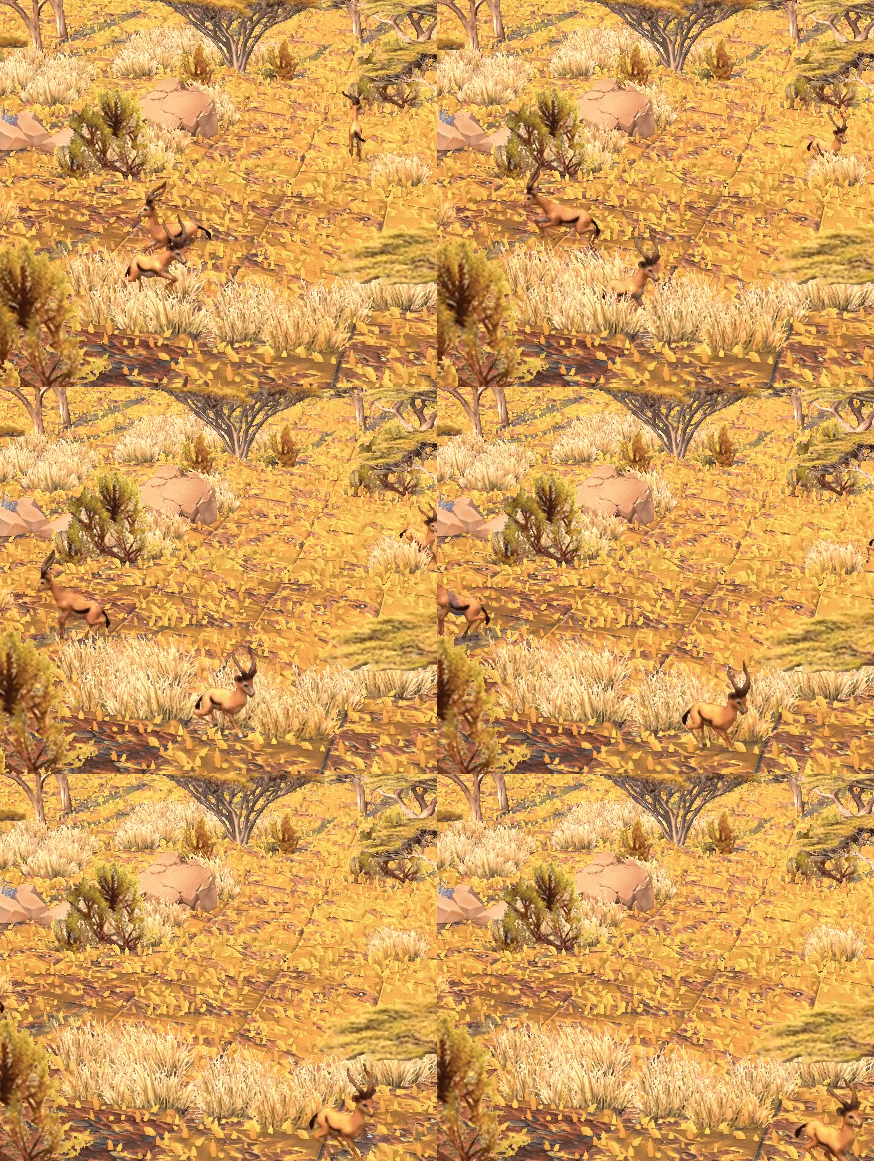
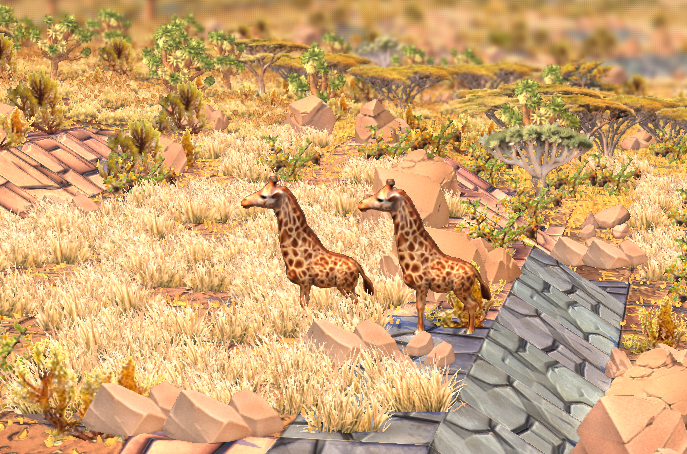
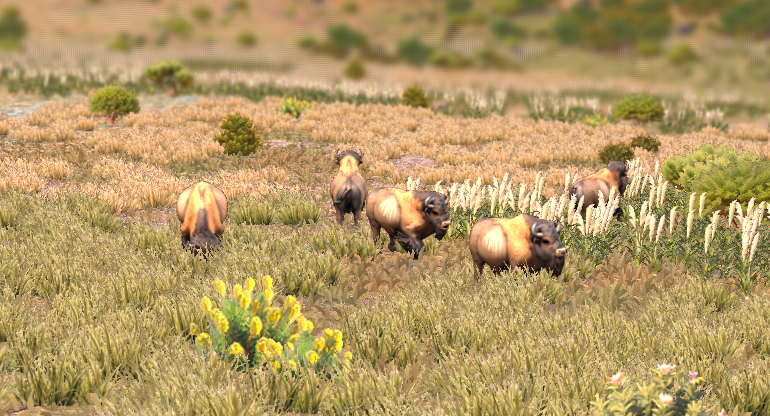
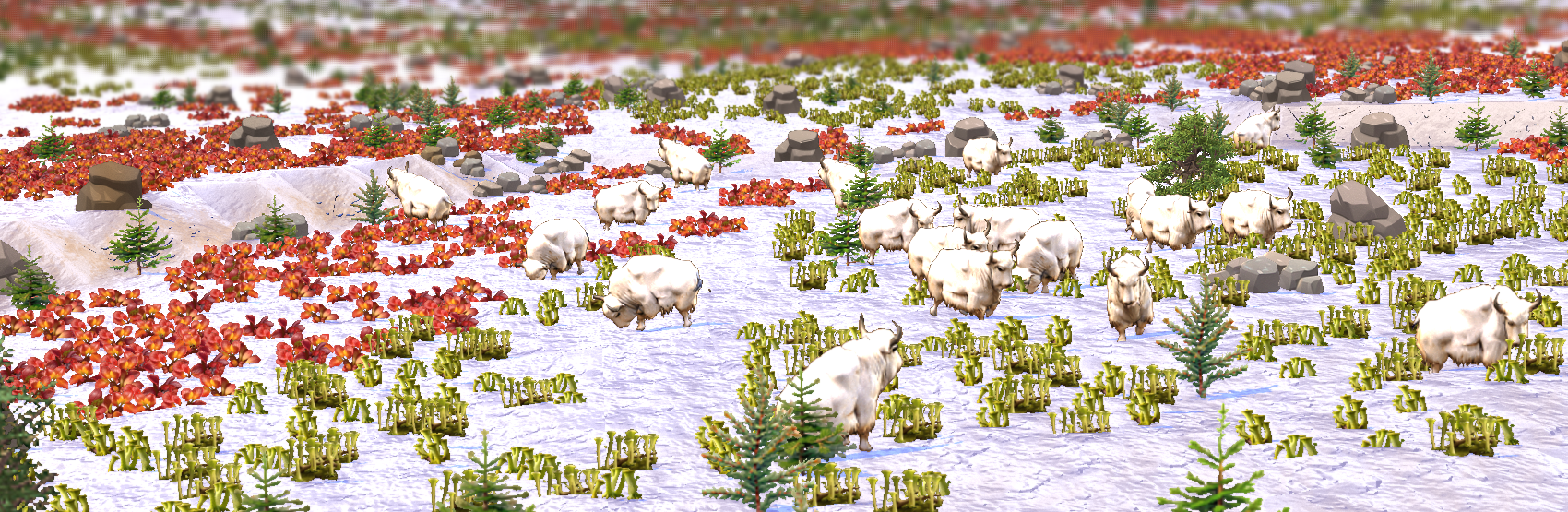 White Yaks, found in cold tundras.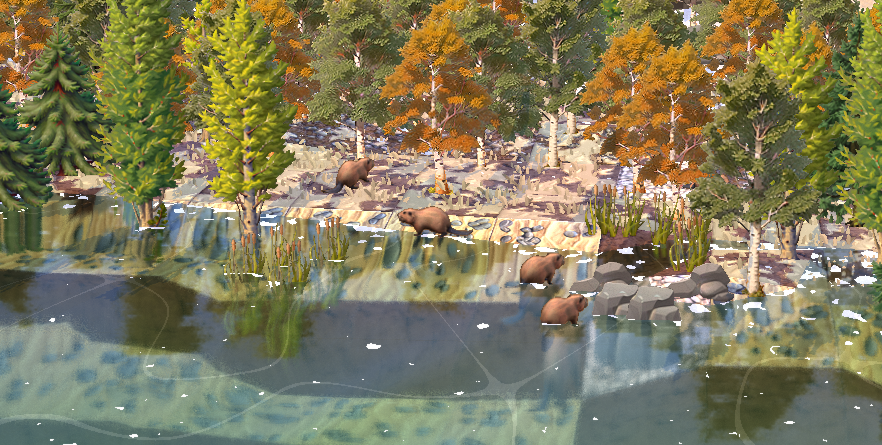
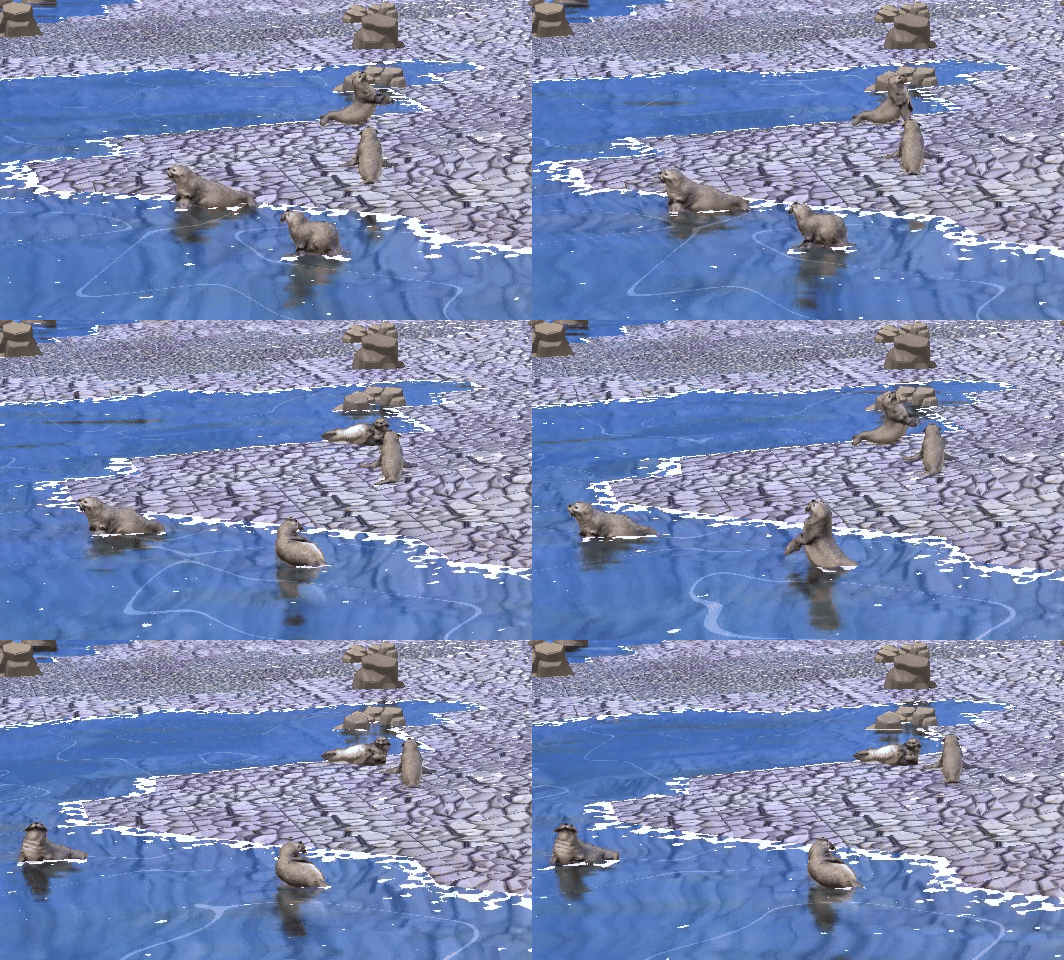
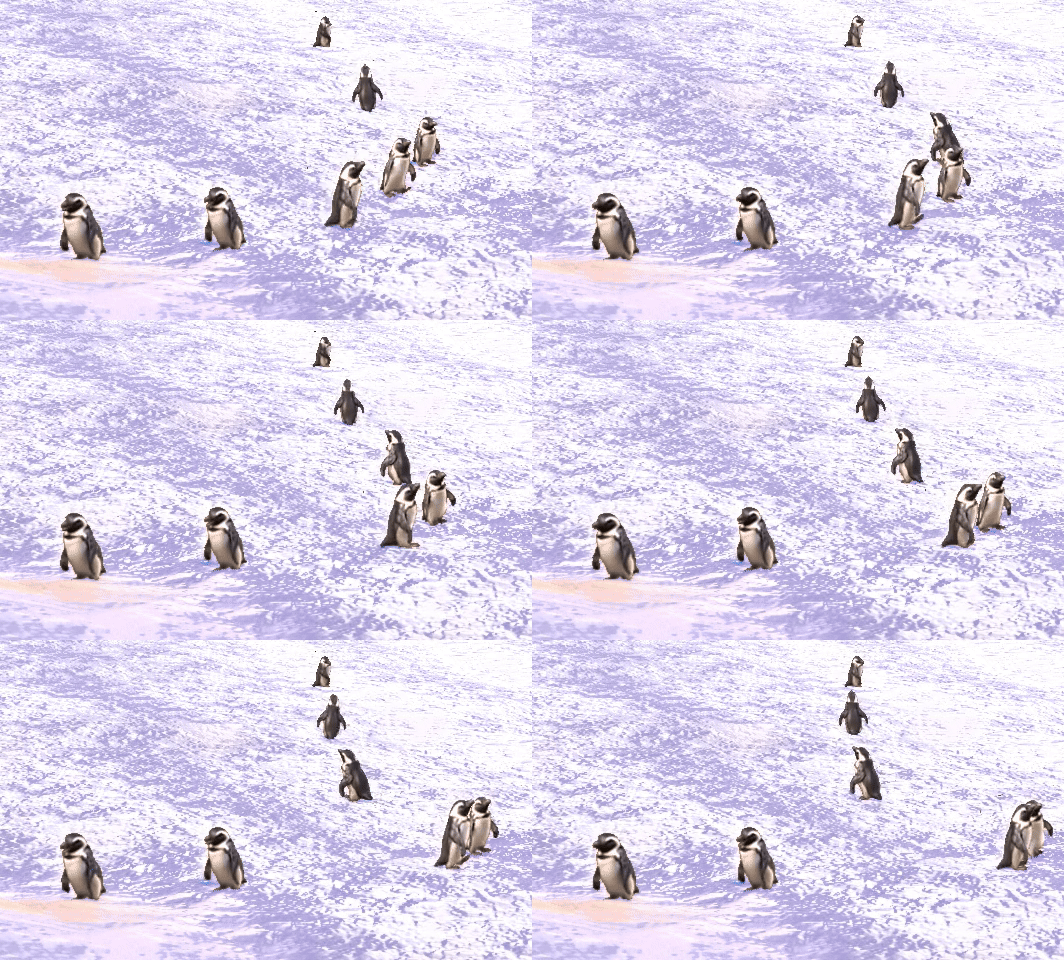 Penguins, in the glacial poles.
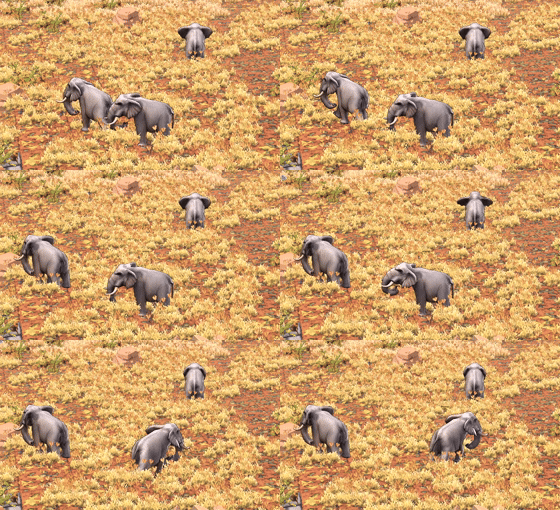 New Elephants, 50% more angry.
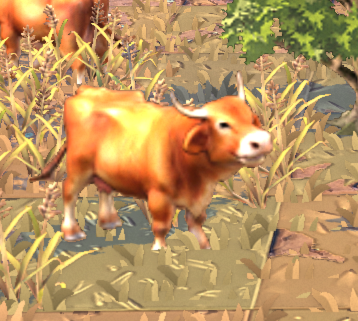 New Cows, redesigned to look less domesticated.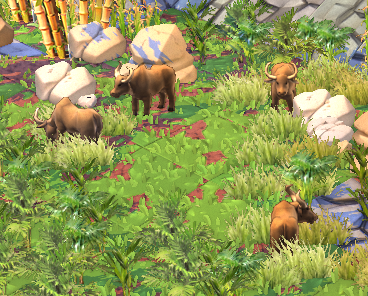
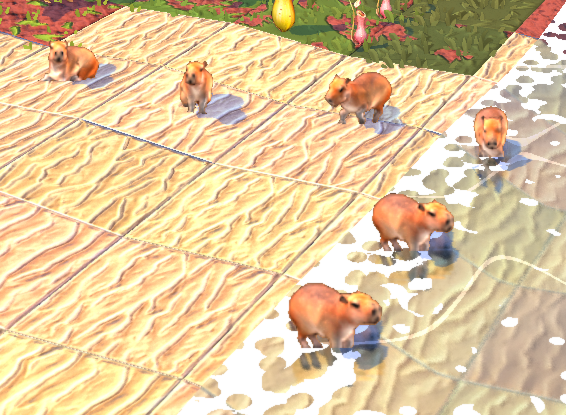
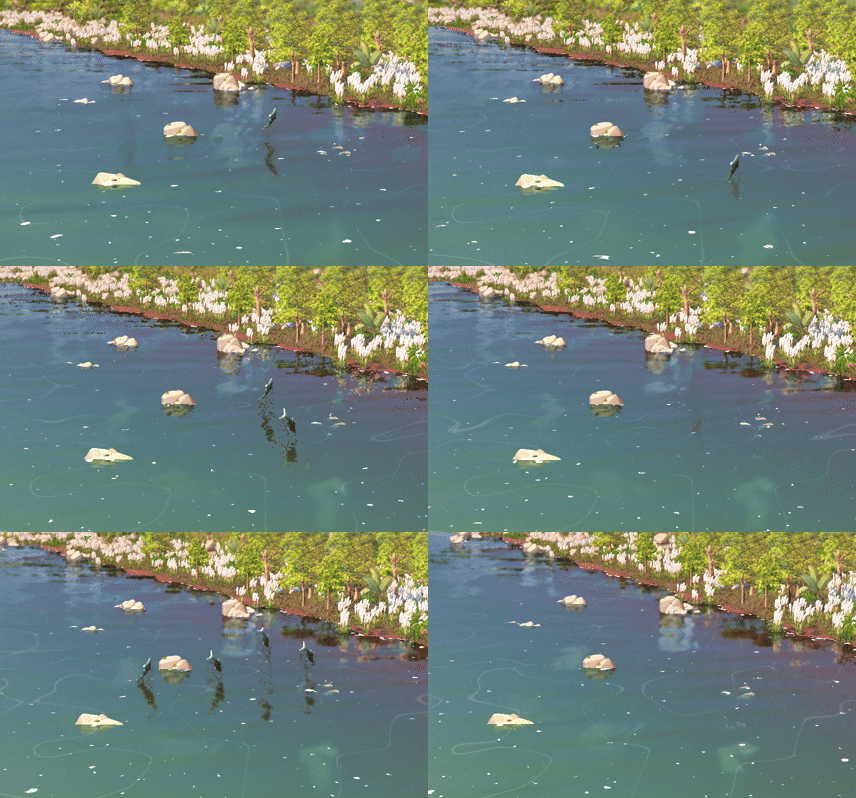 There are now 4 main fish types: Carps and Trouts for freshwater, Herring and Salmon for sea water.
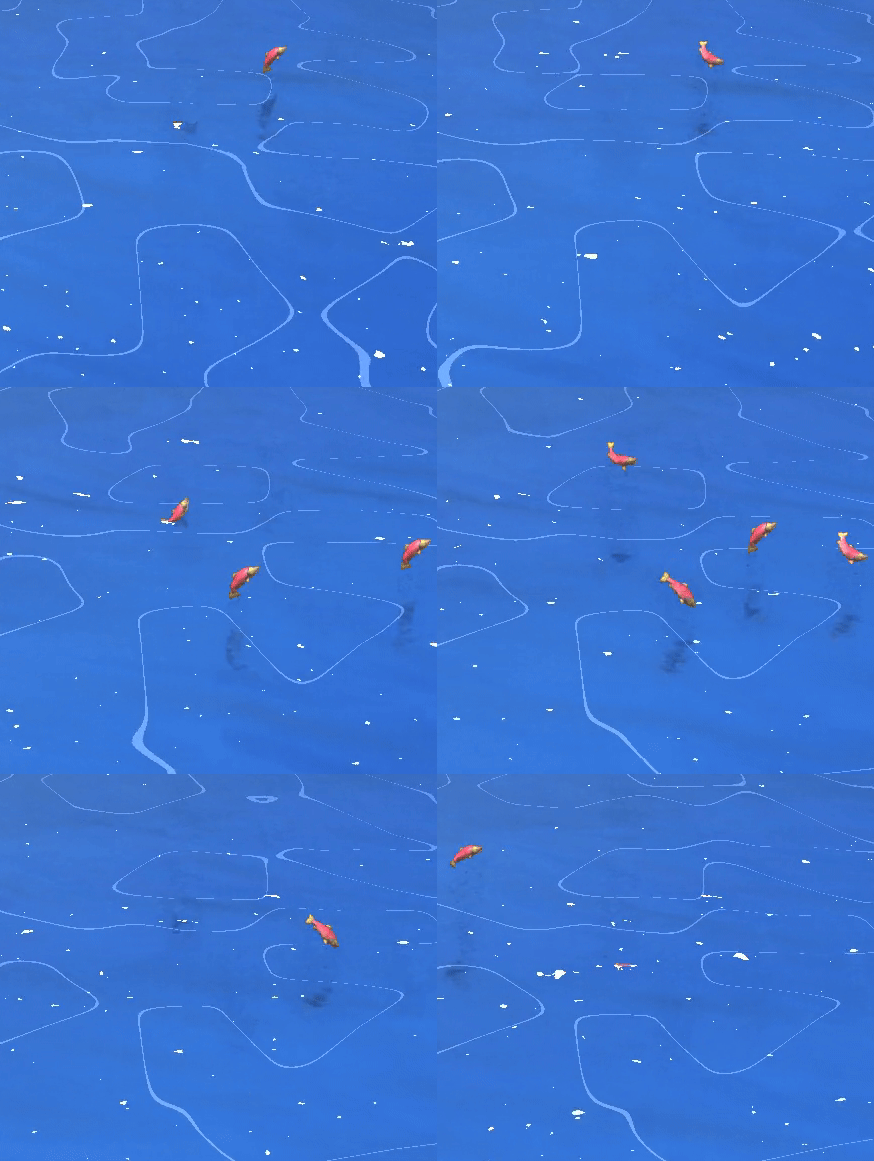 The 'larger' fishes, Salmons and Trouts, still work in a more similar way as in Legacy: territories have random amounts of resource spots, sometime none, and therefore you'll find them in 'spots' in deeper waters.
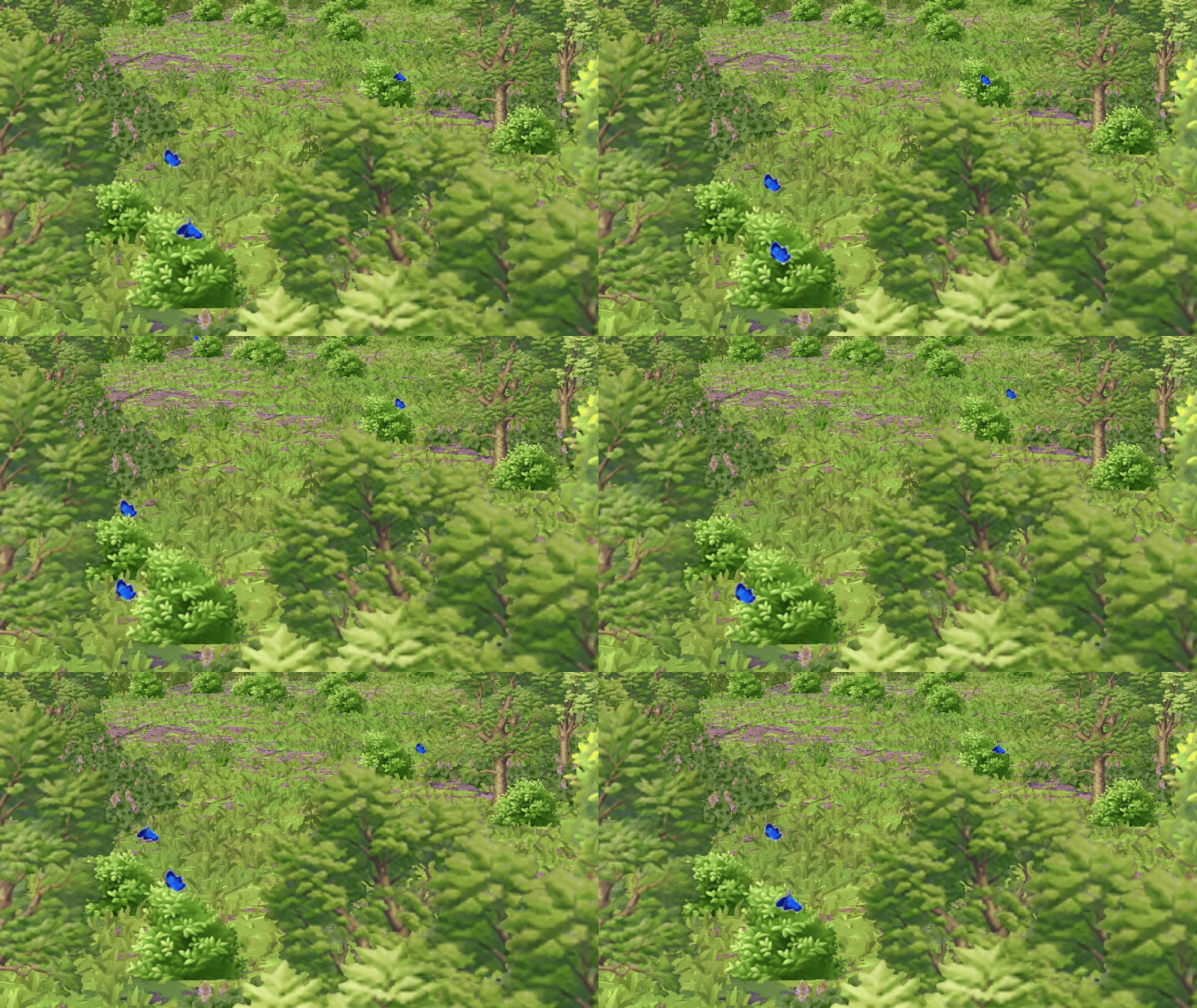 Butterflies appear over bushes, adding a more bucolic ambiance to green landscapes.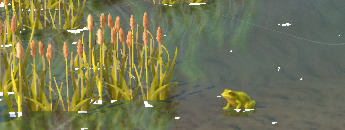
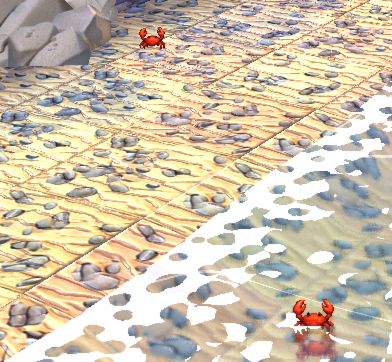 Tiny crabs sometime appear on sea shores.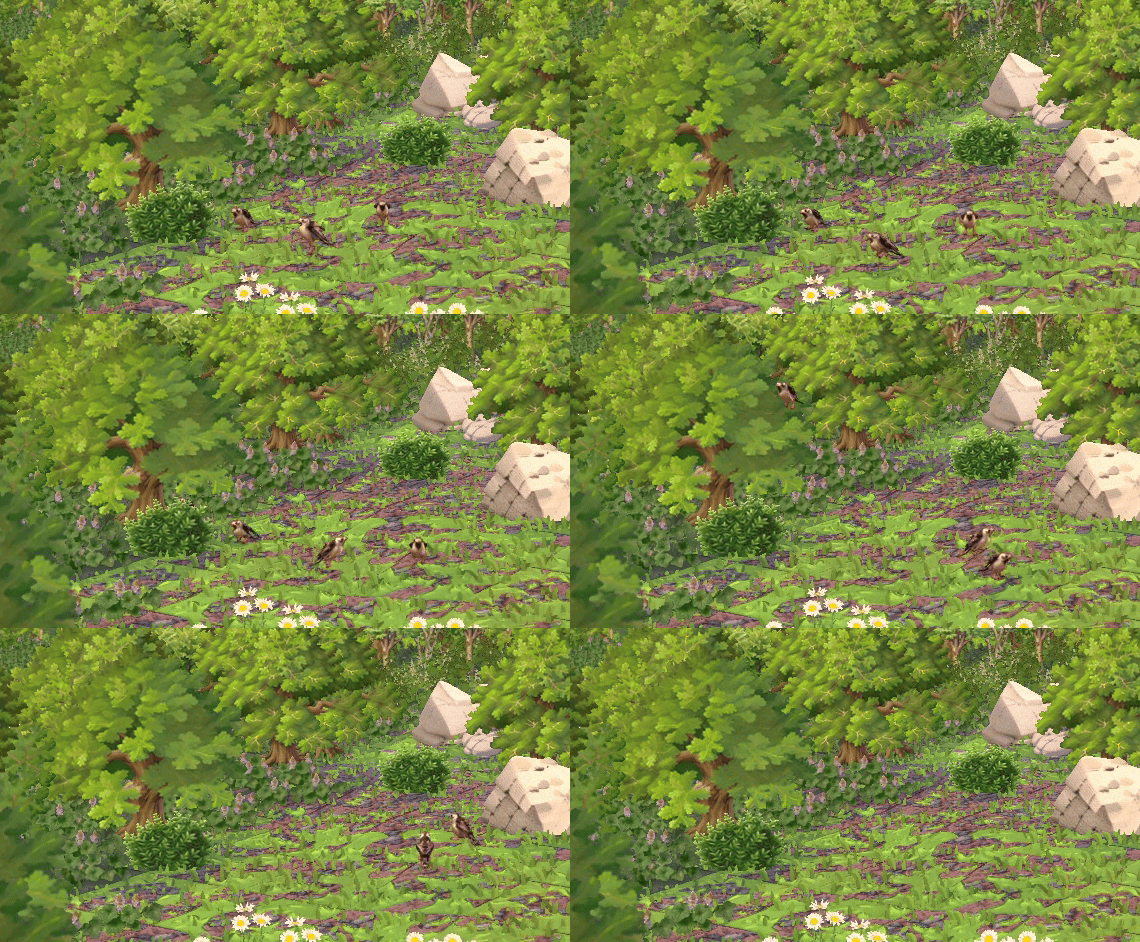
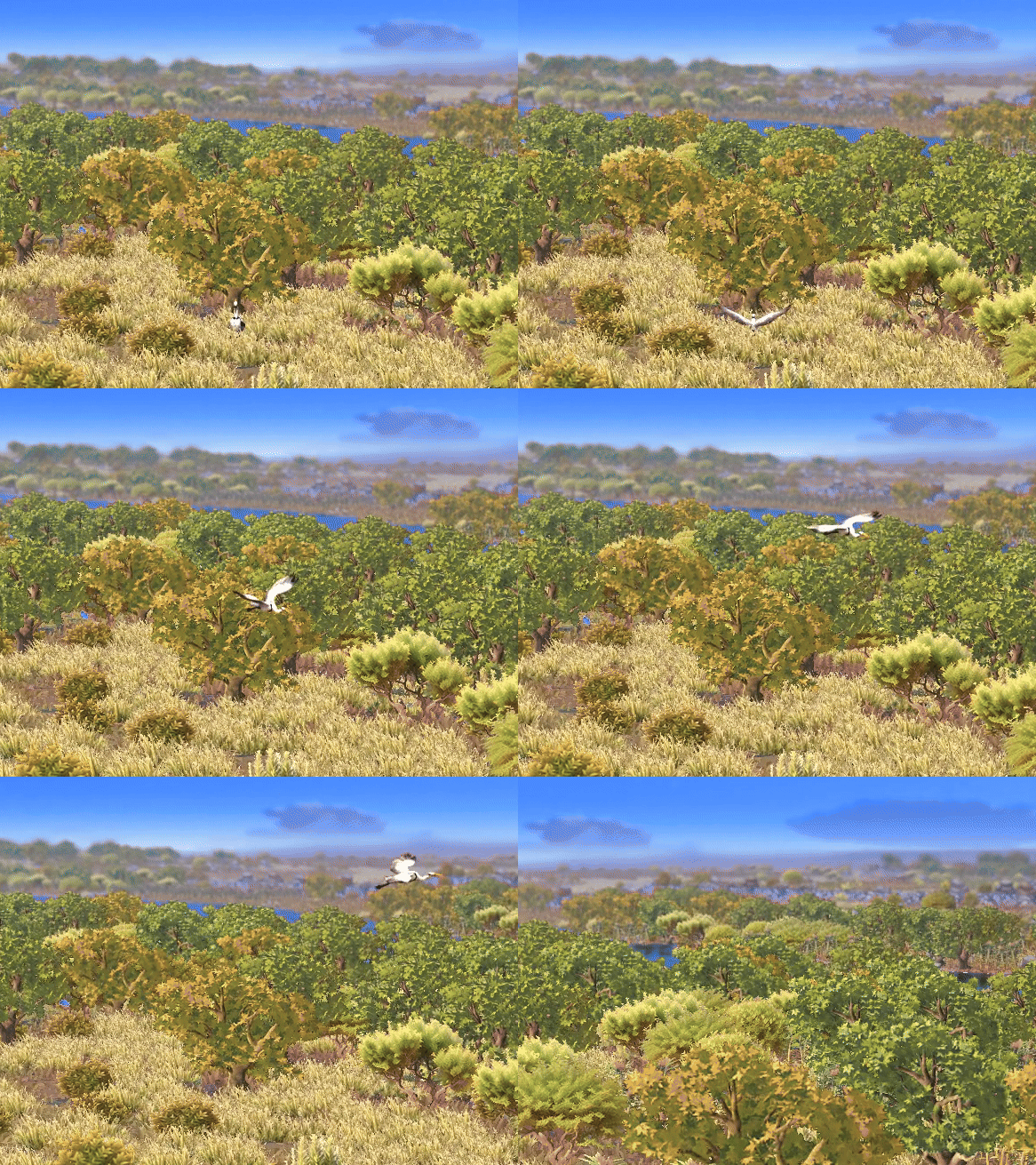
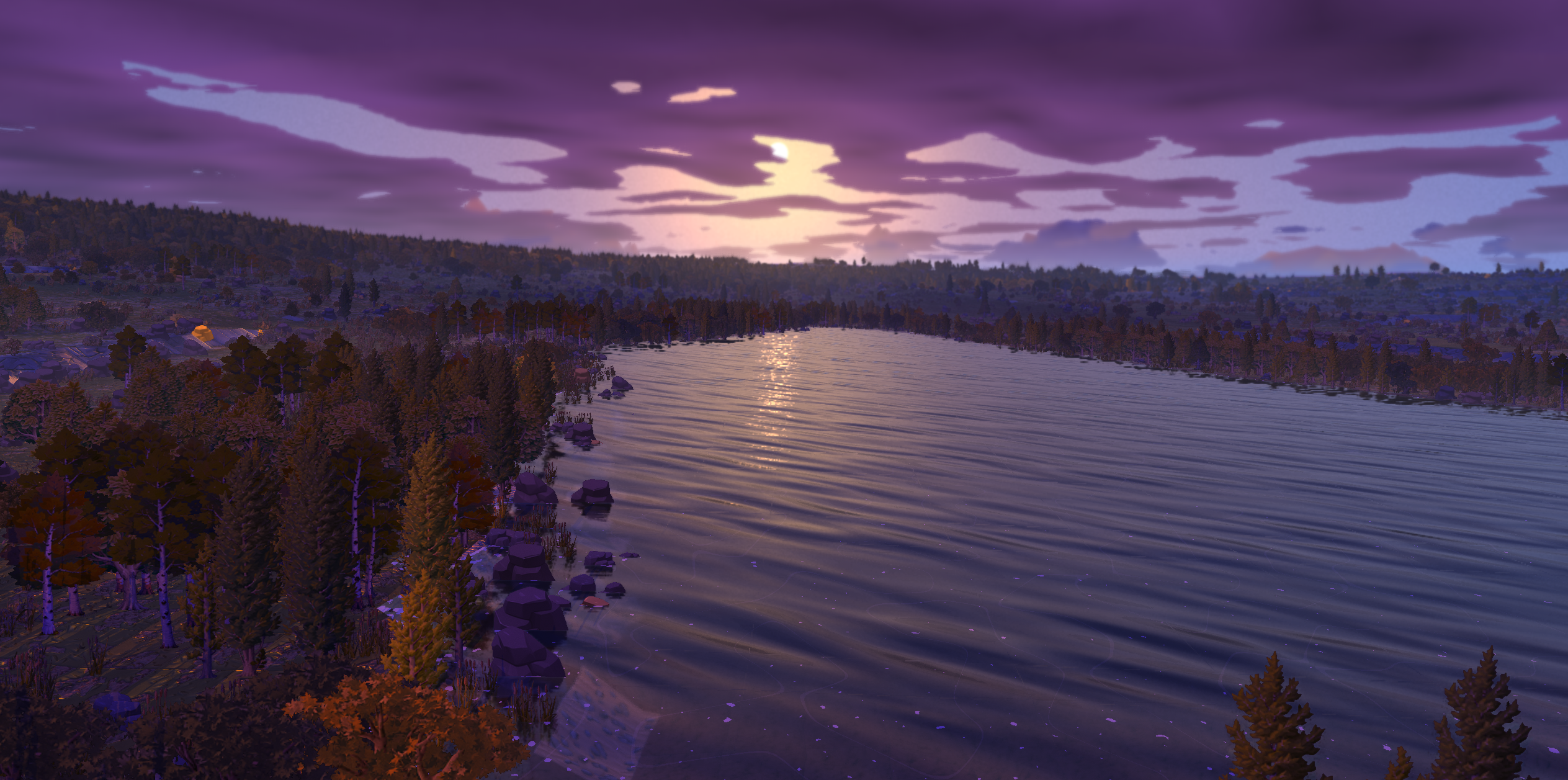
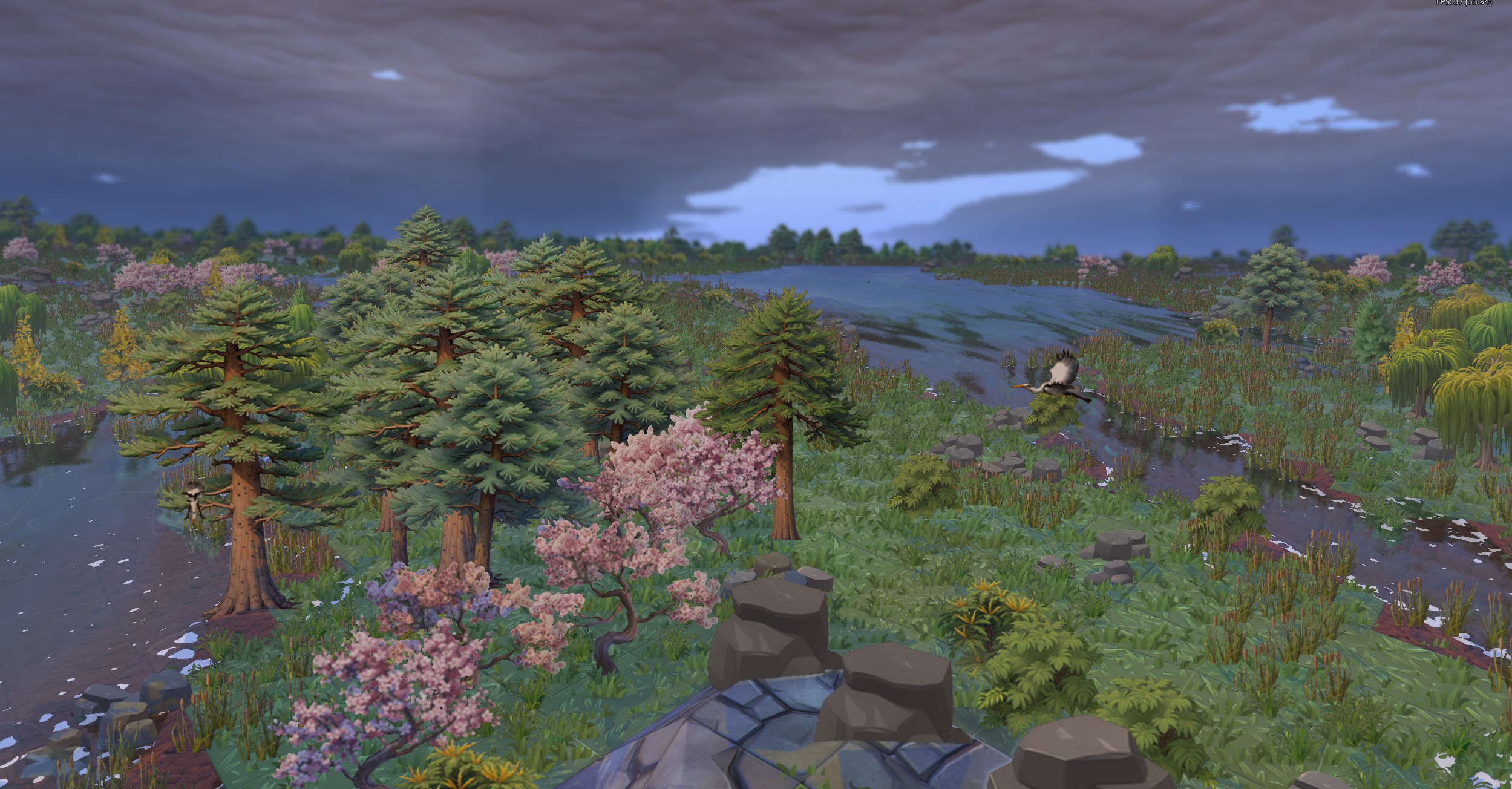
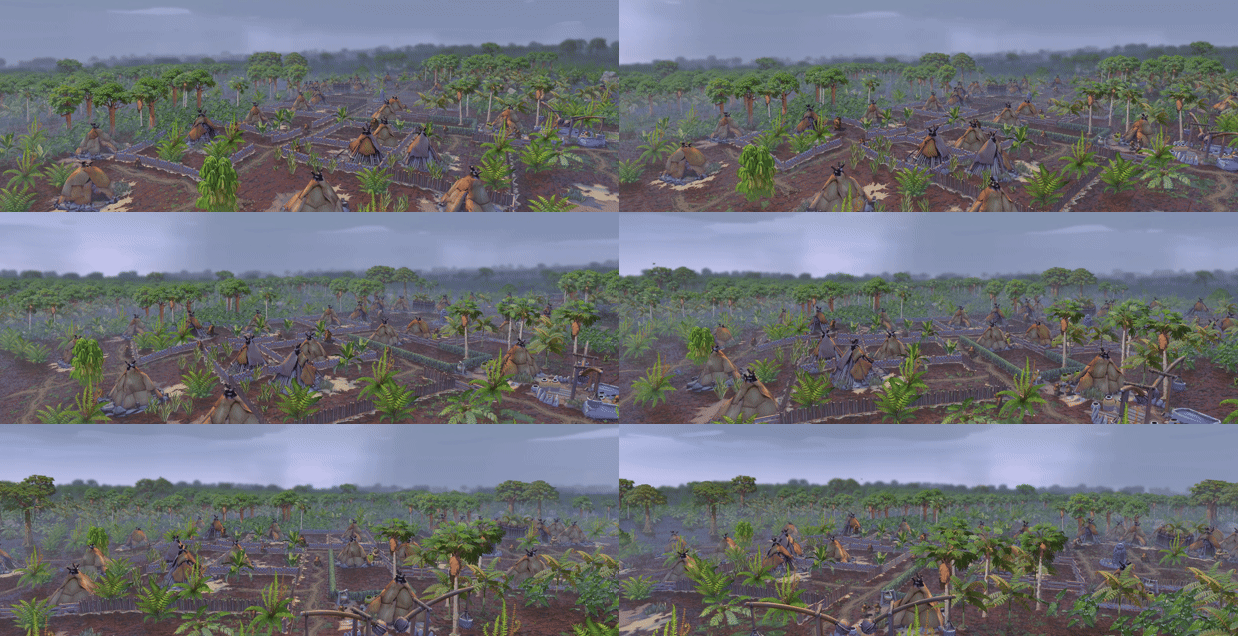
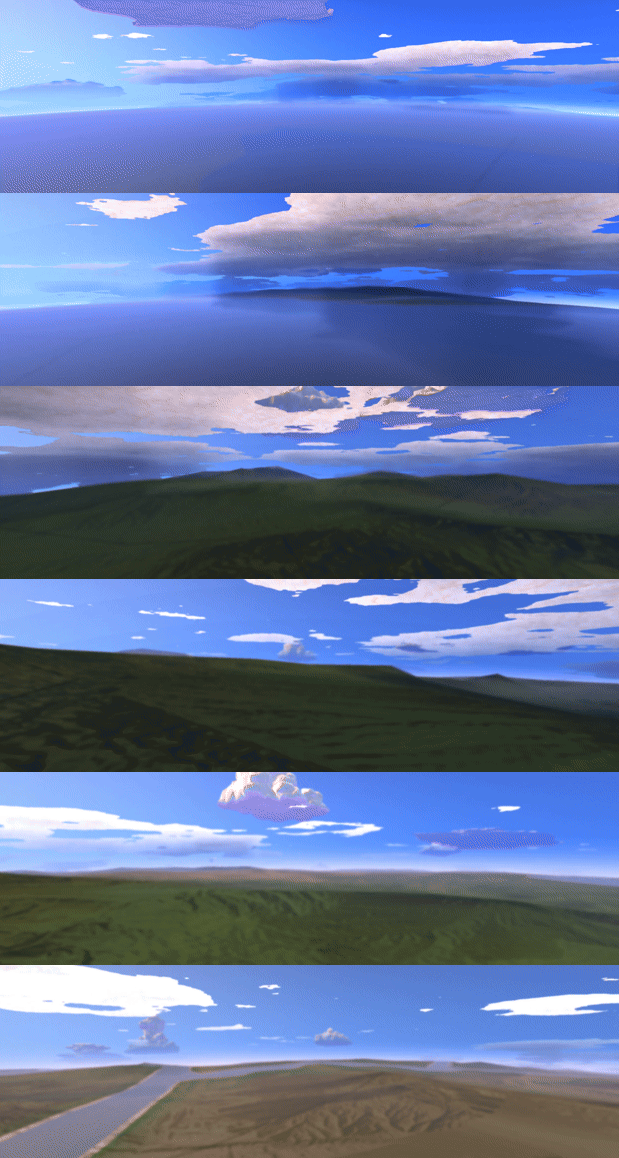 I have also added volumetric lighting to my 3d engine, which adds a lot to the ambiance especially when cloudy or overcast.
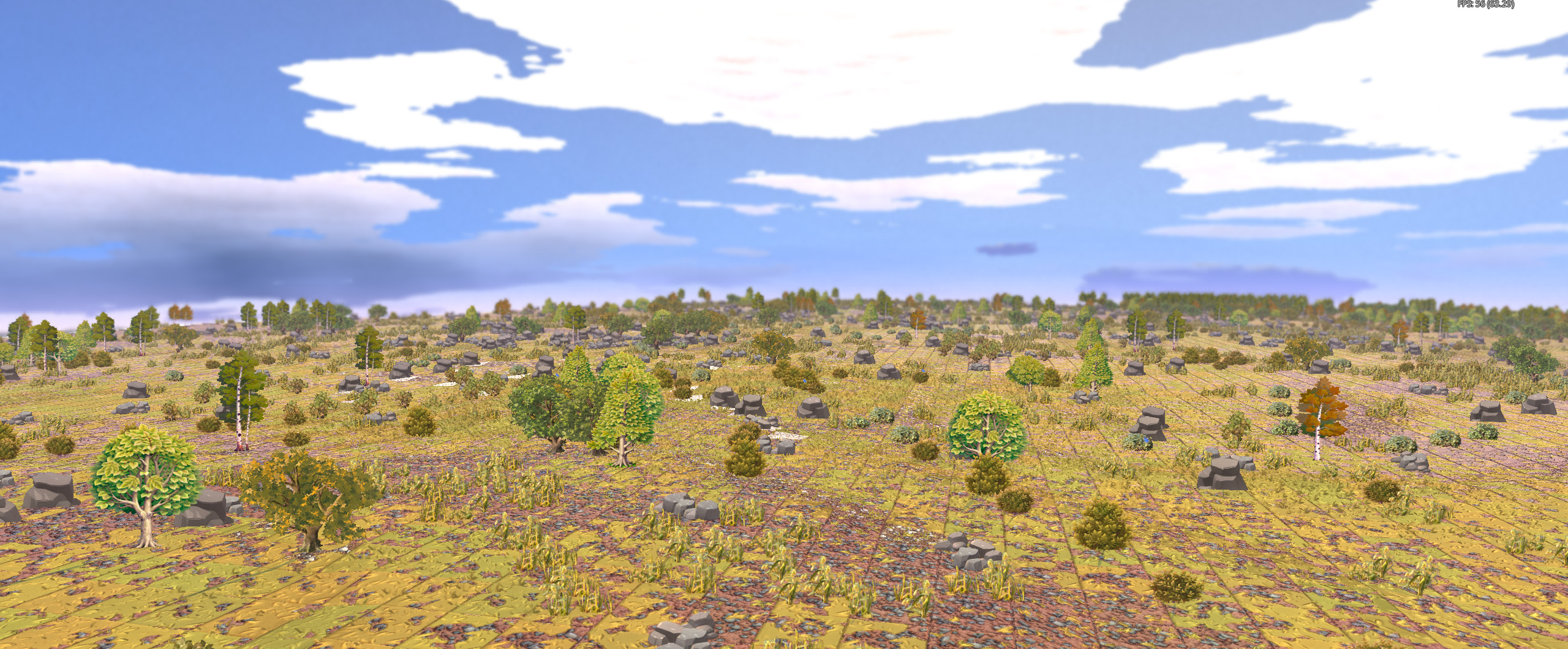
 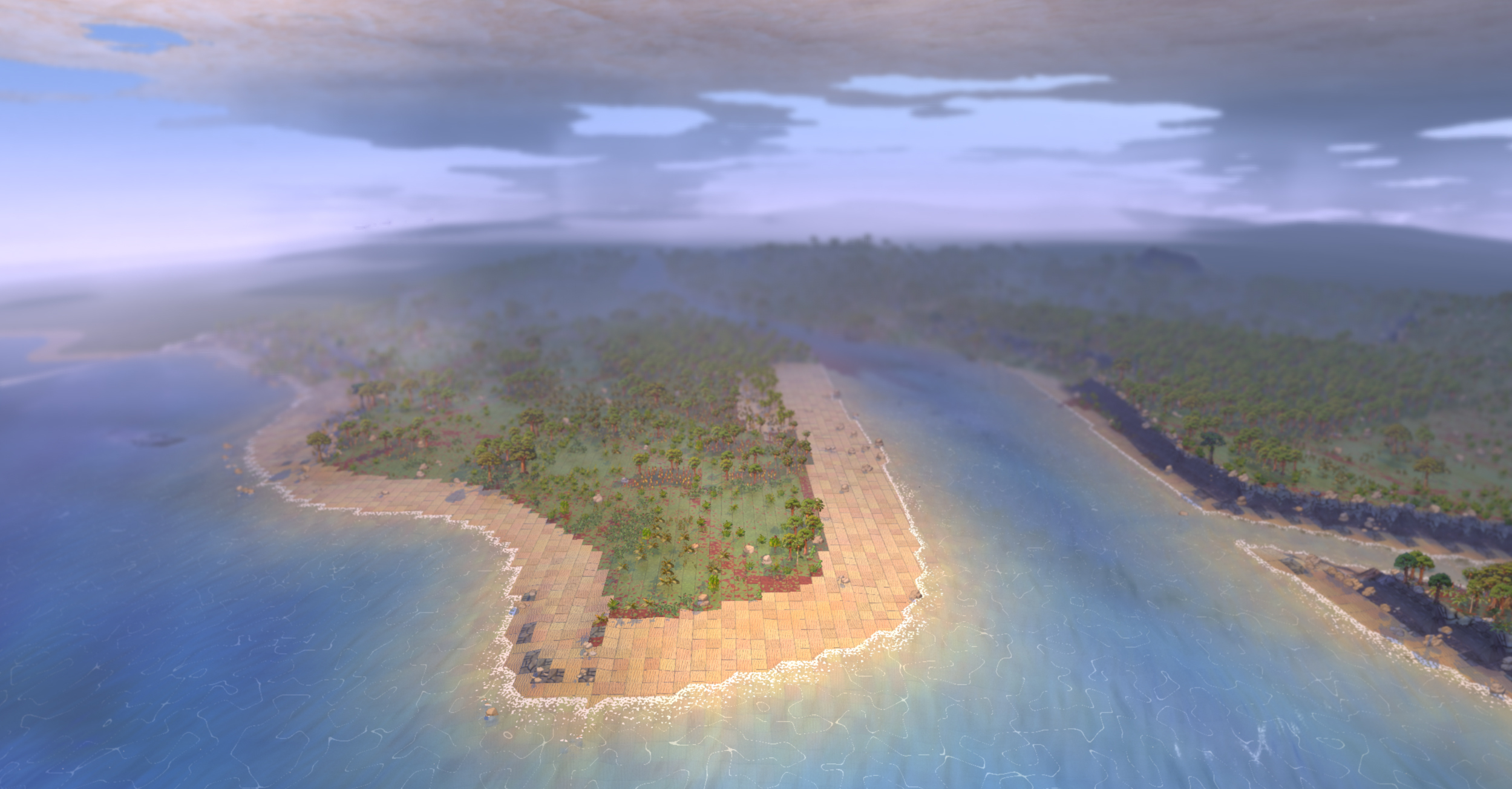 The atmospheric blurr is based on humidity, so visibility will tend to be sharper in a sunny nordic tundra compared to a humid rainforest.
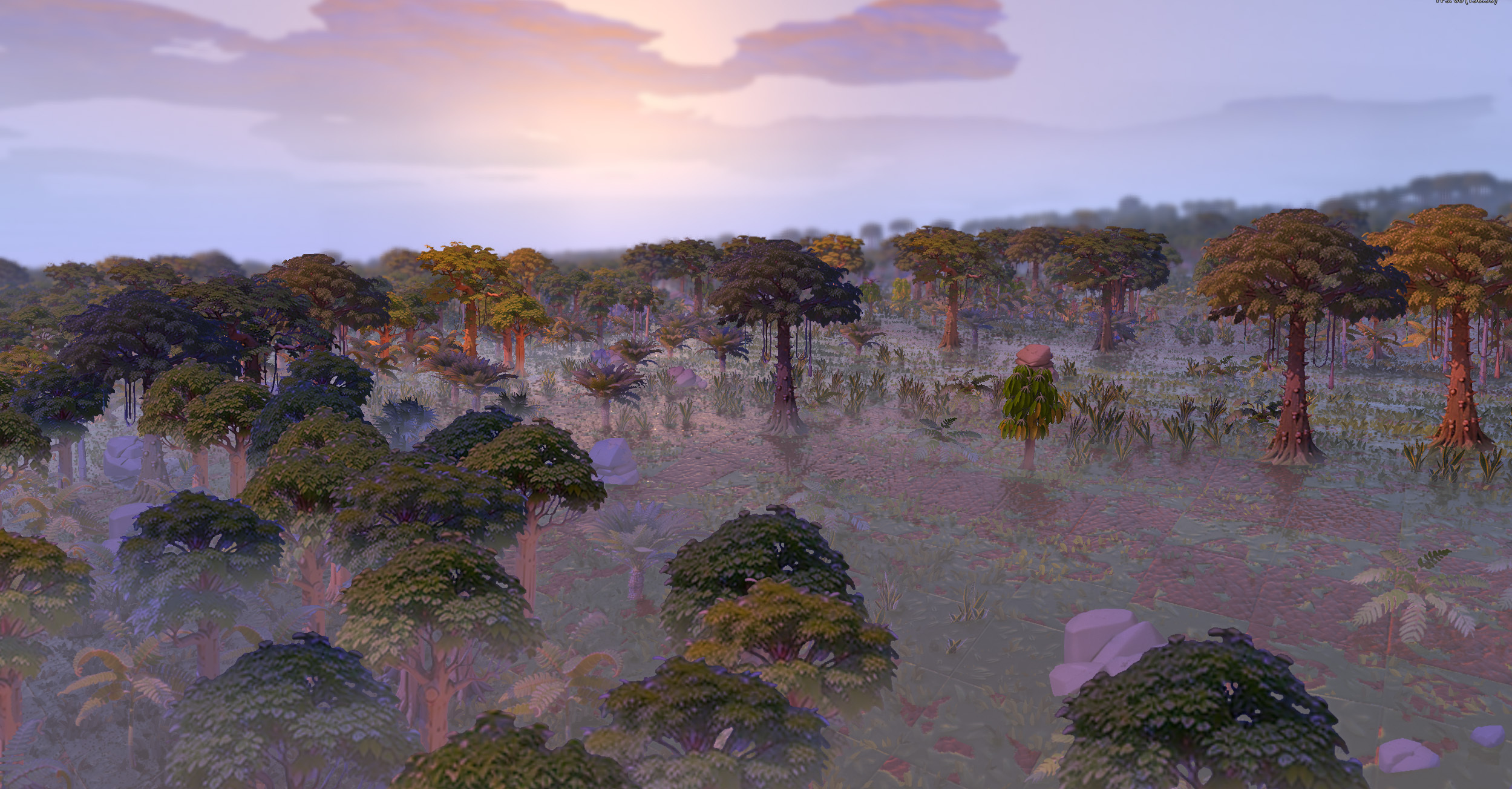 Fog has also been added, with various combined types of fog to create more diverse atmospheres.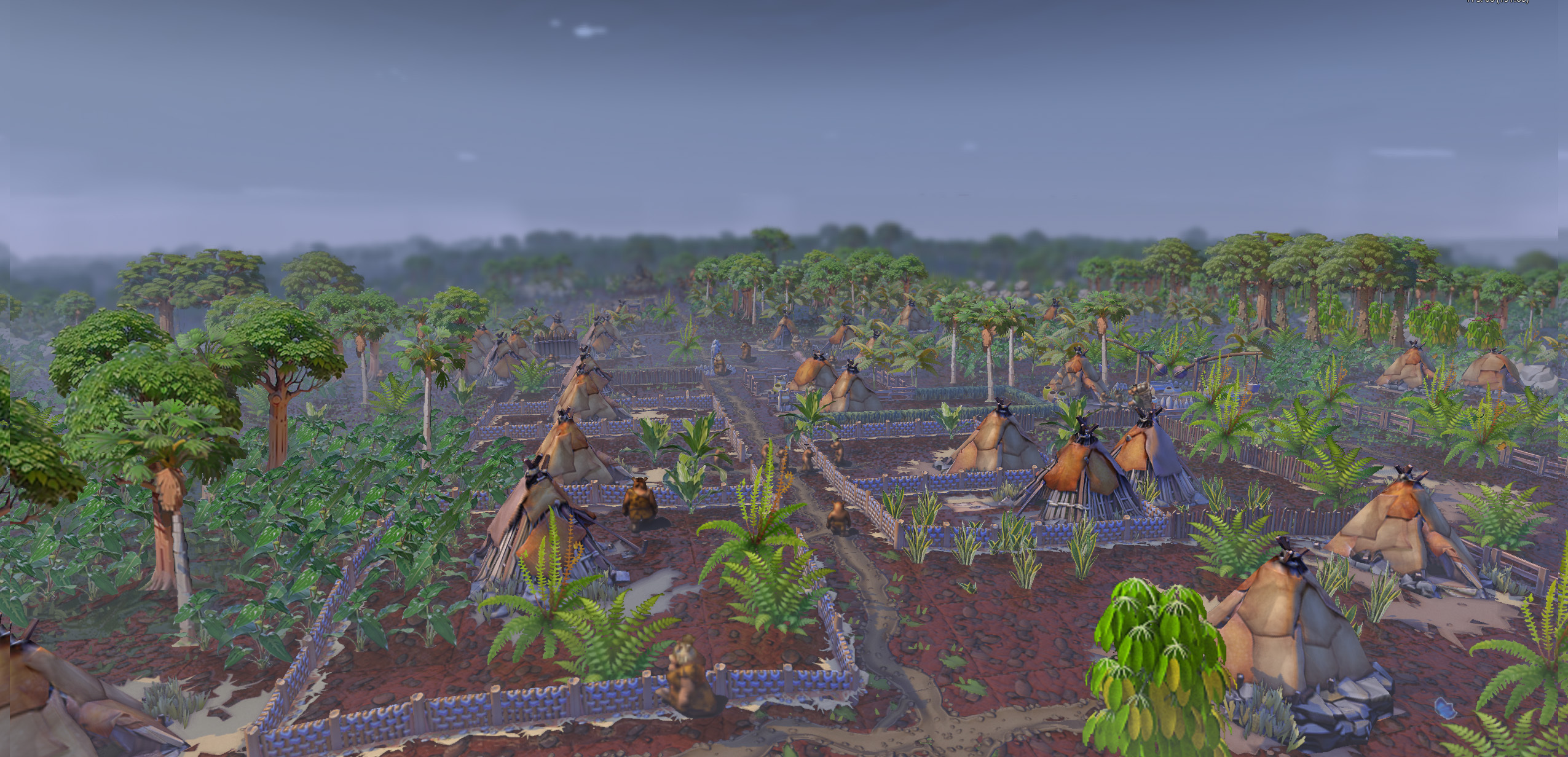
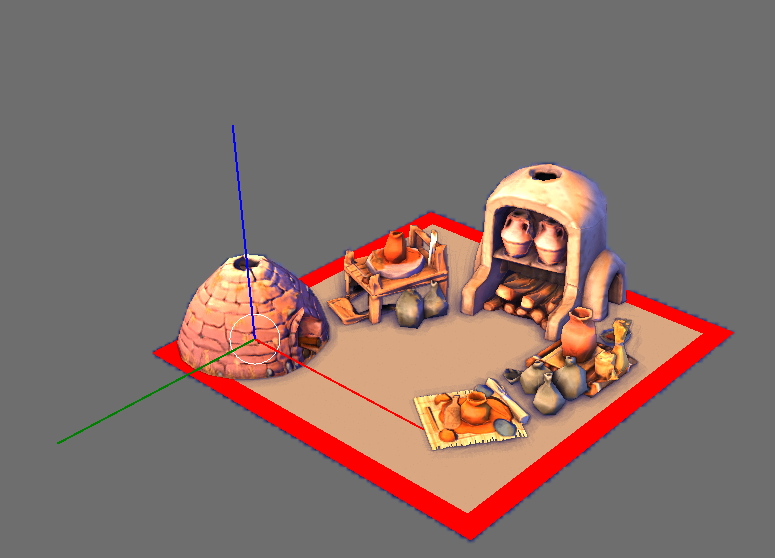
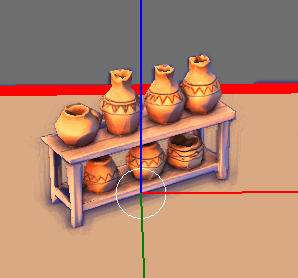
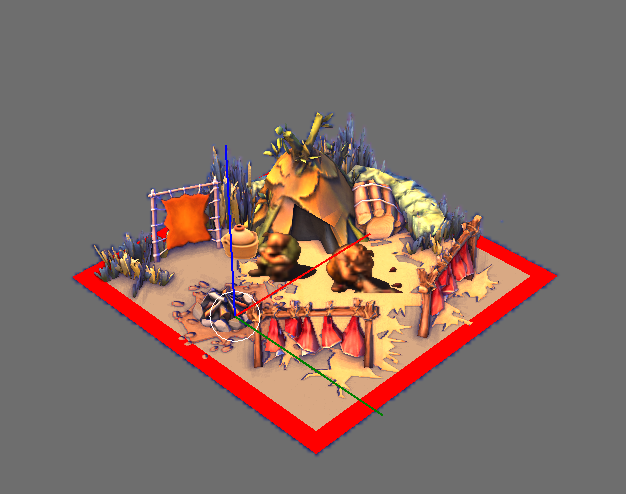
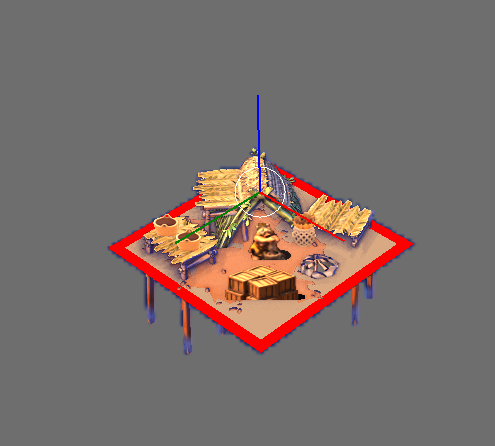
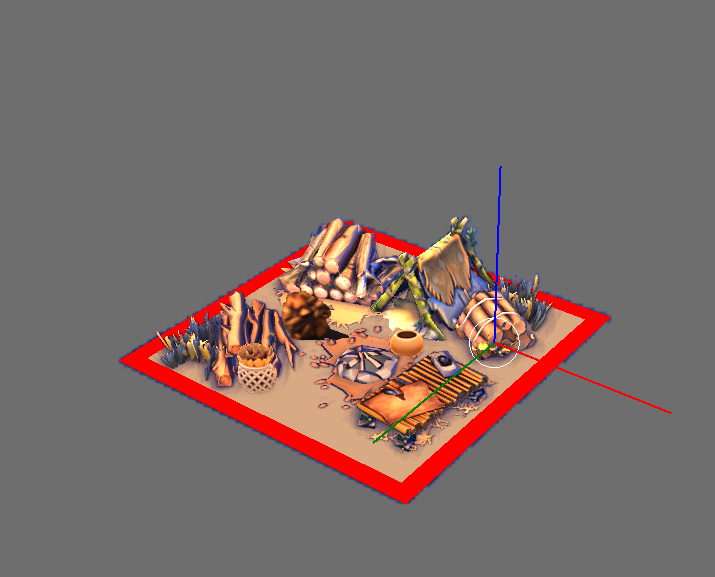
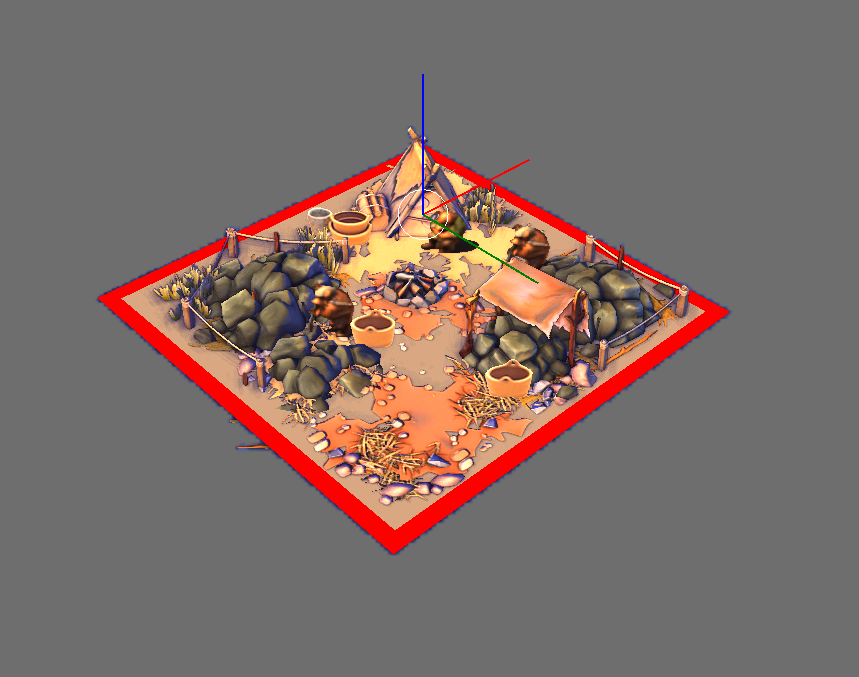
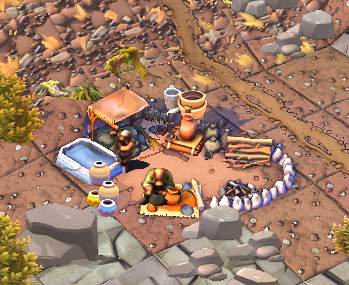
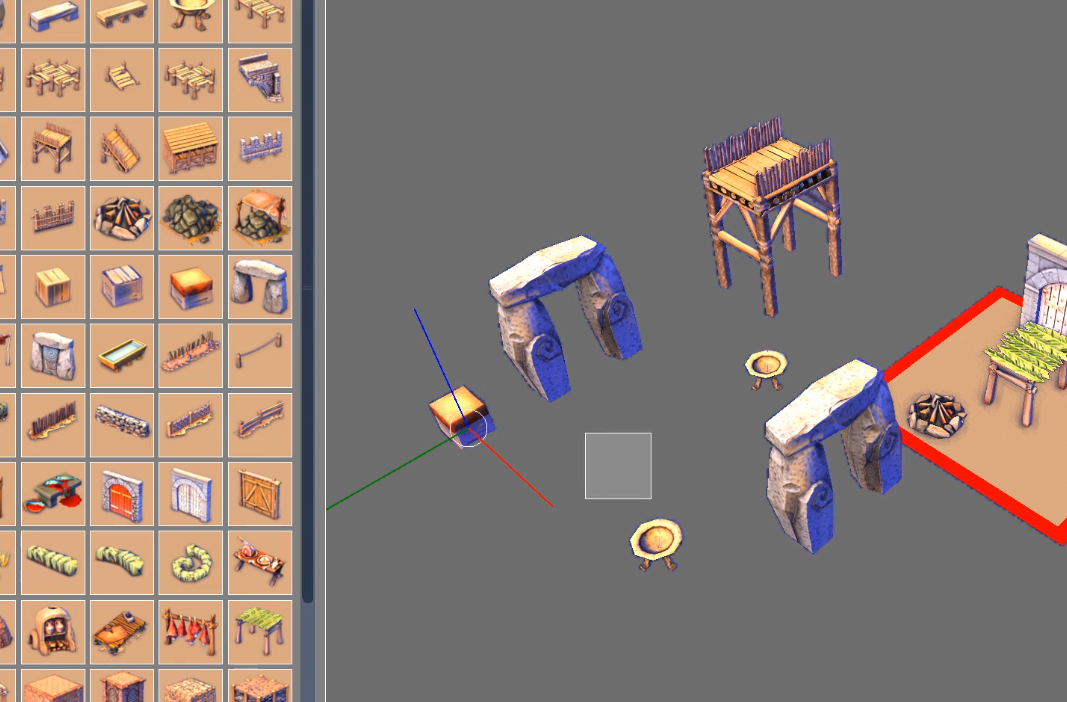
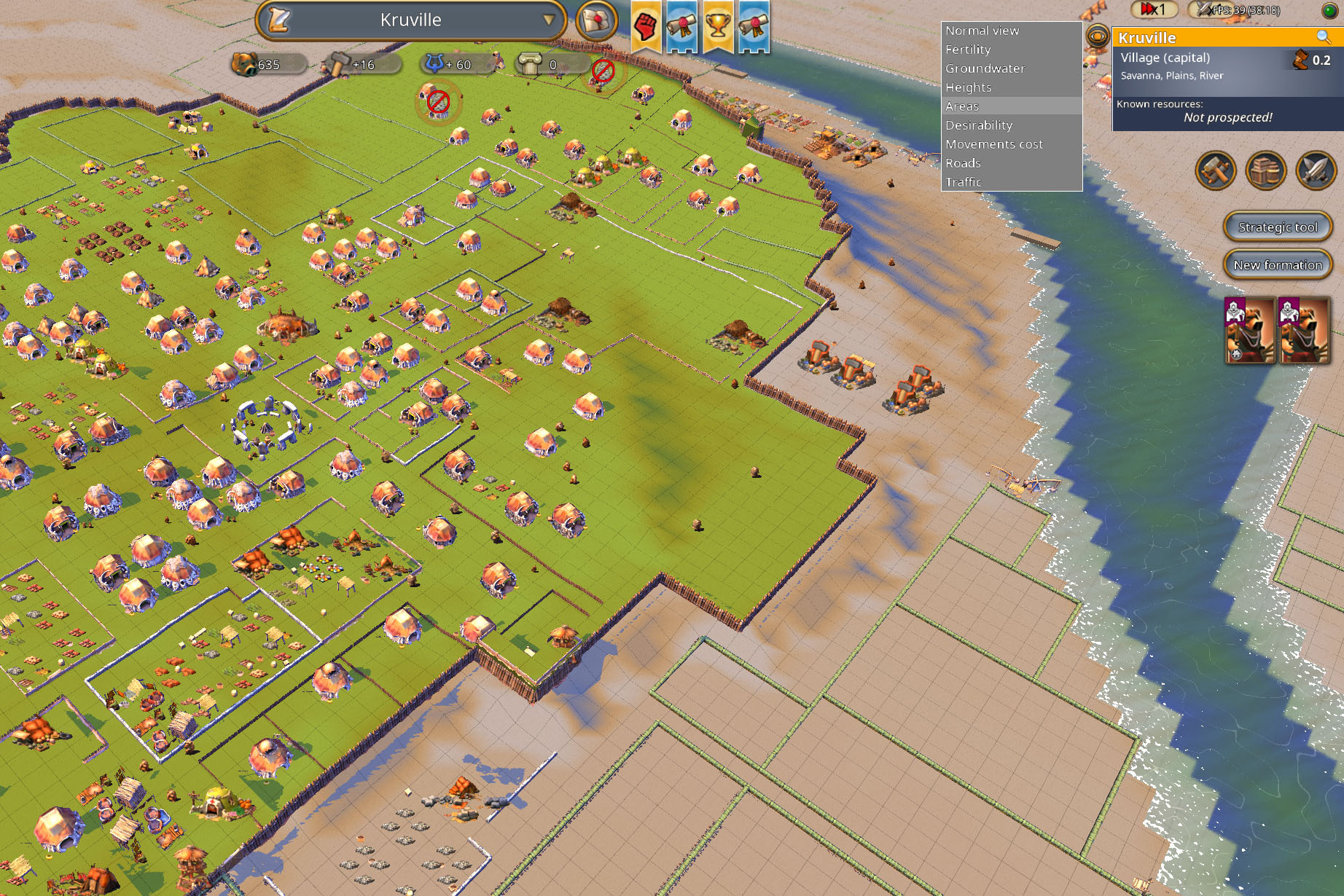
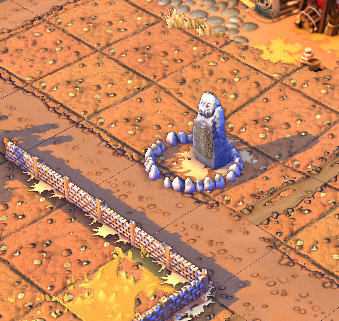 All settlements will require this small "road stele" building, which can only be built once and cannot be destroyed.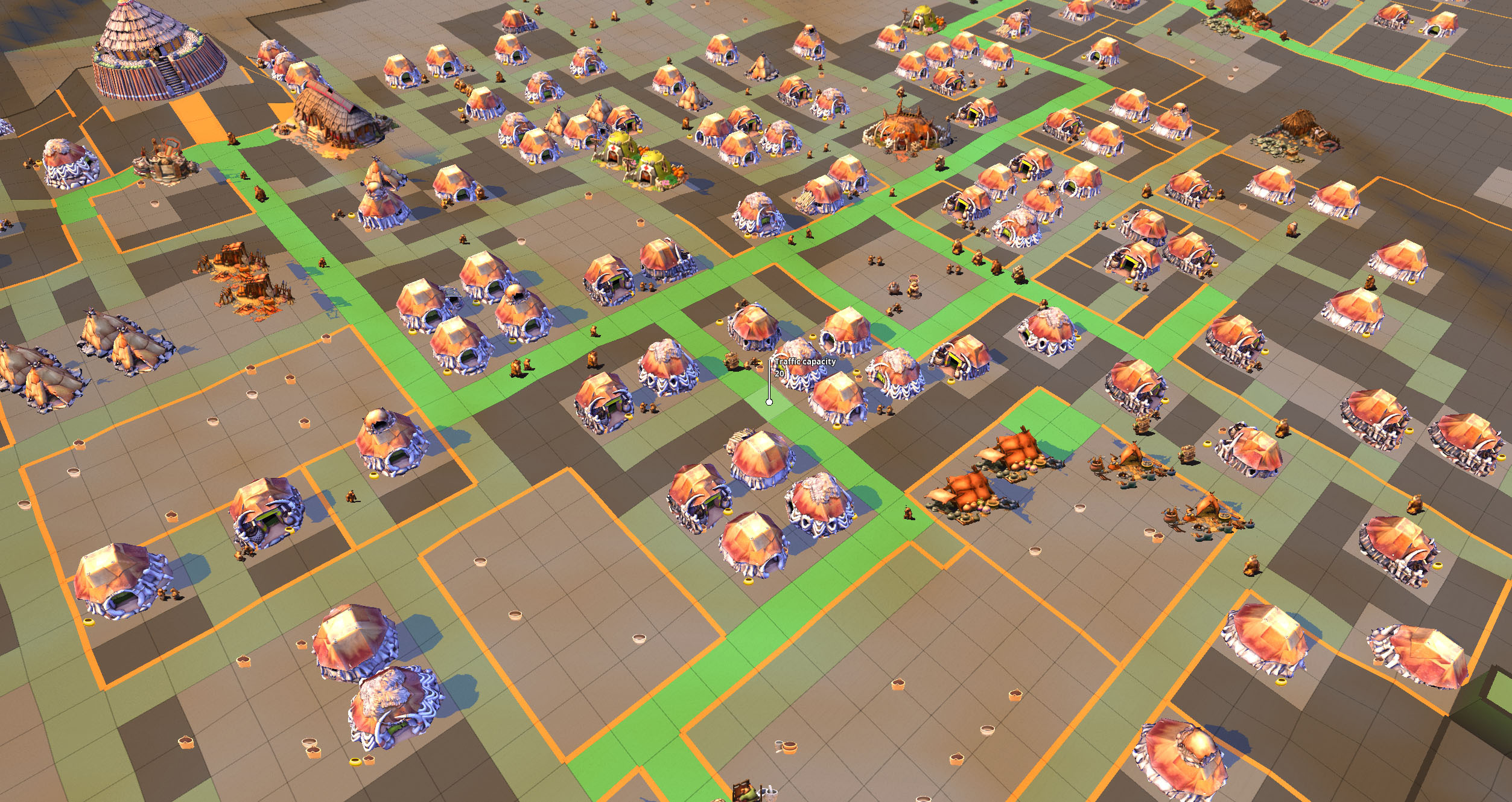
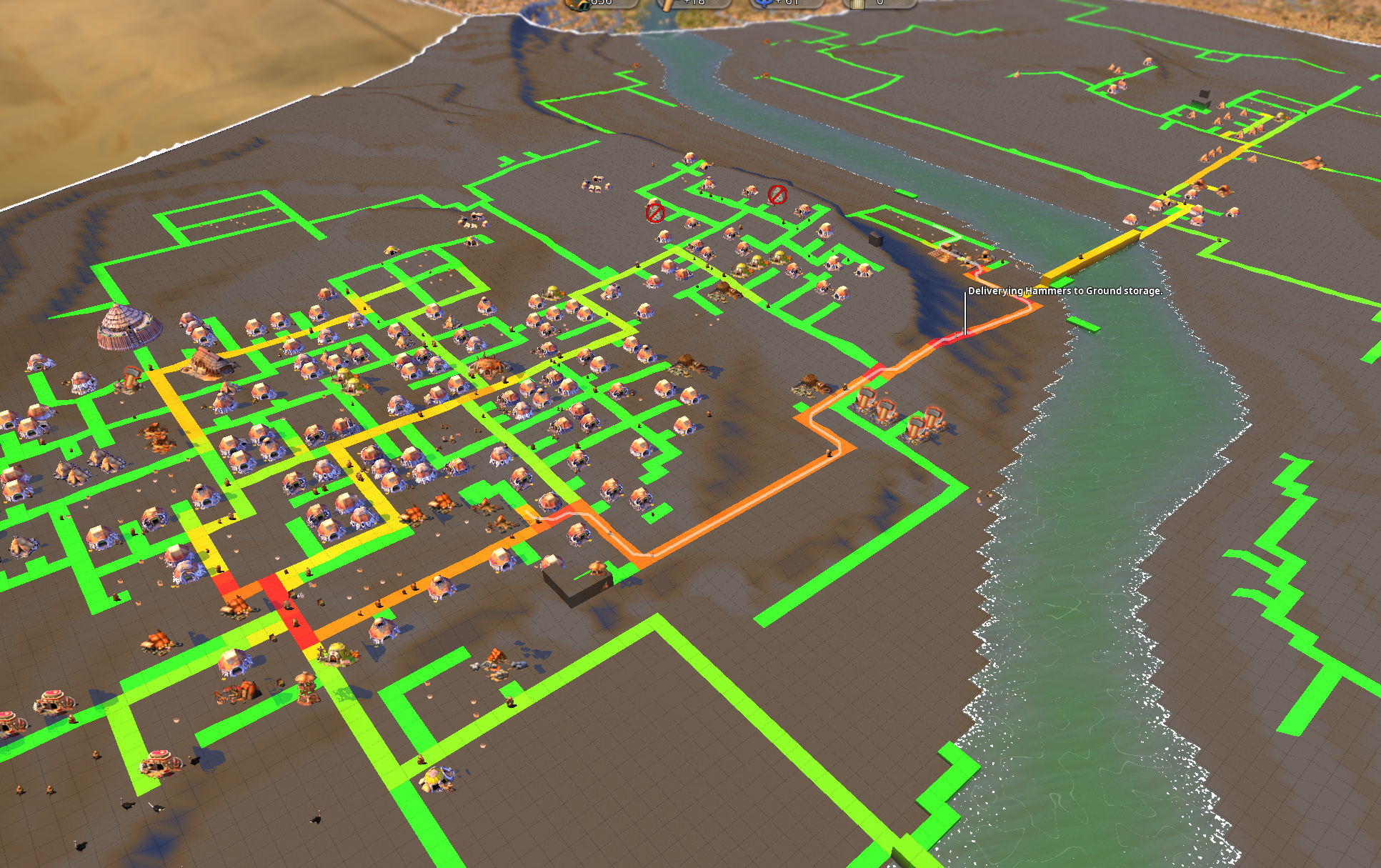
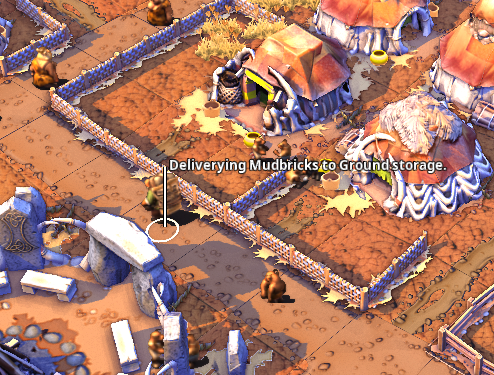
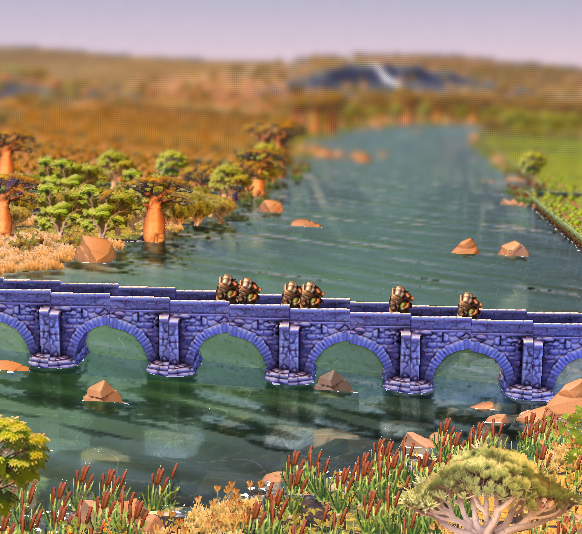
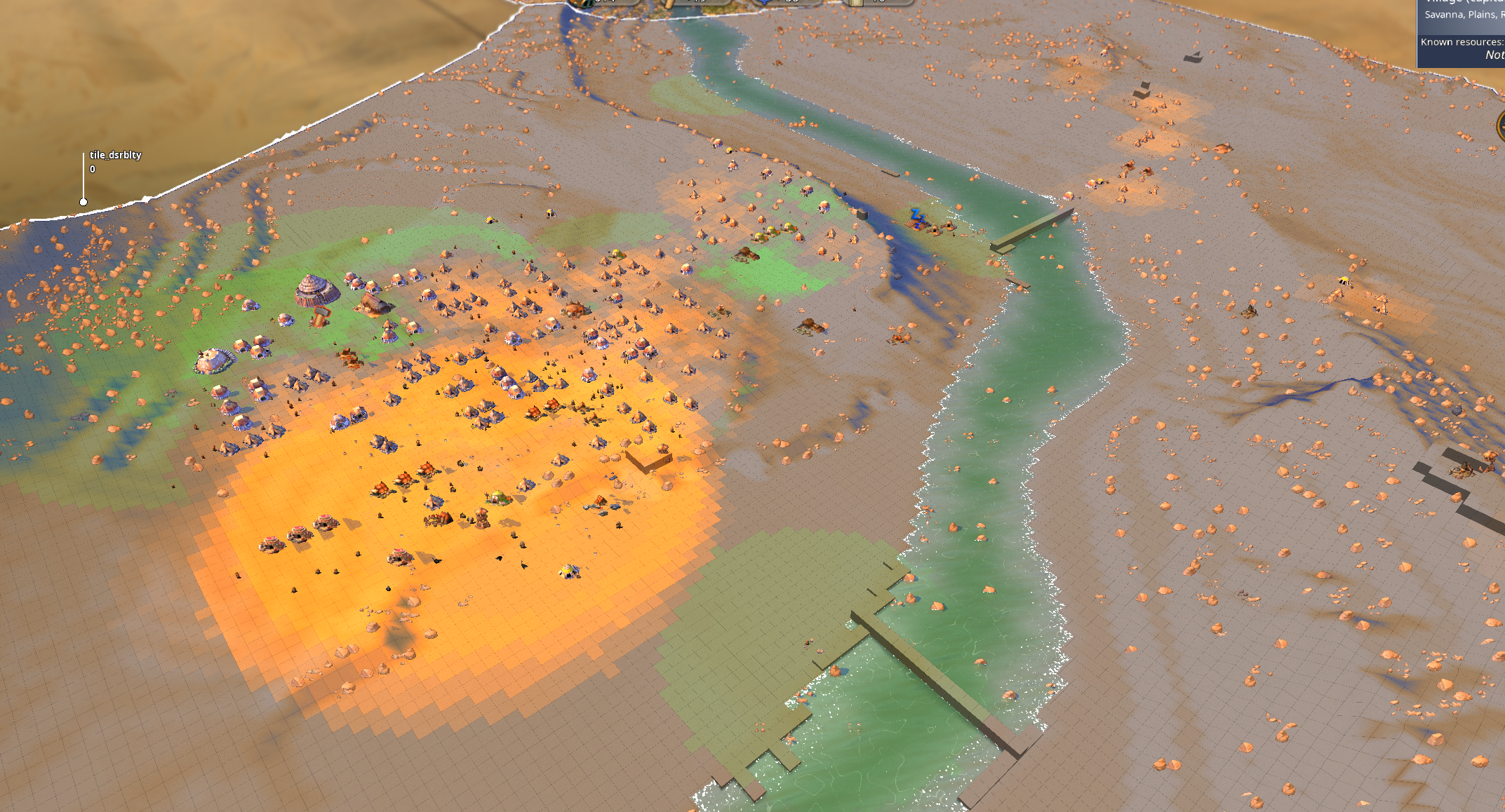
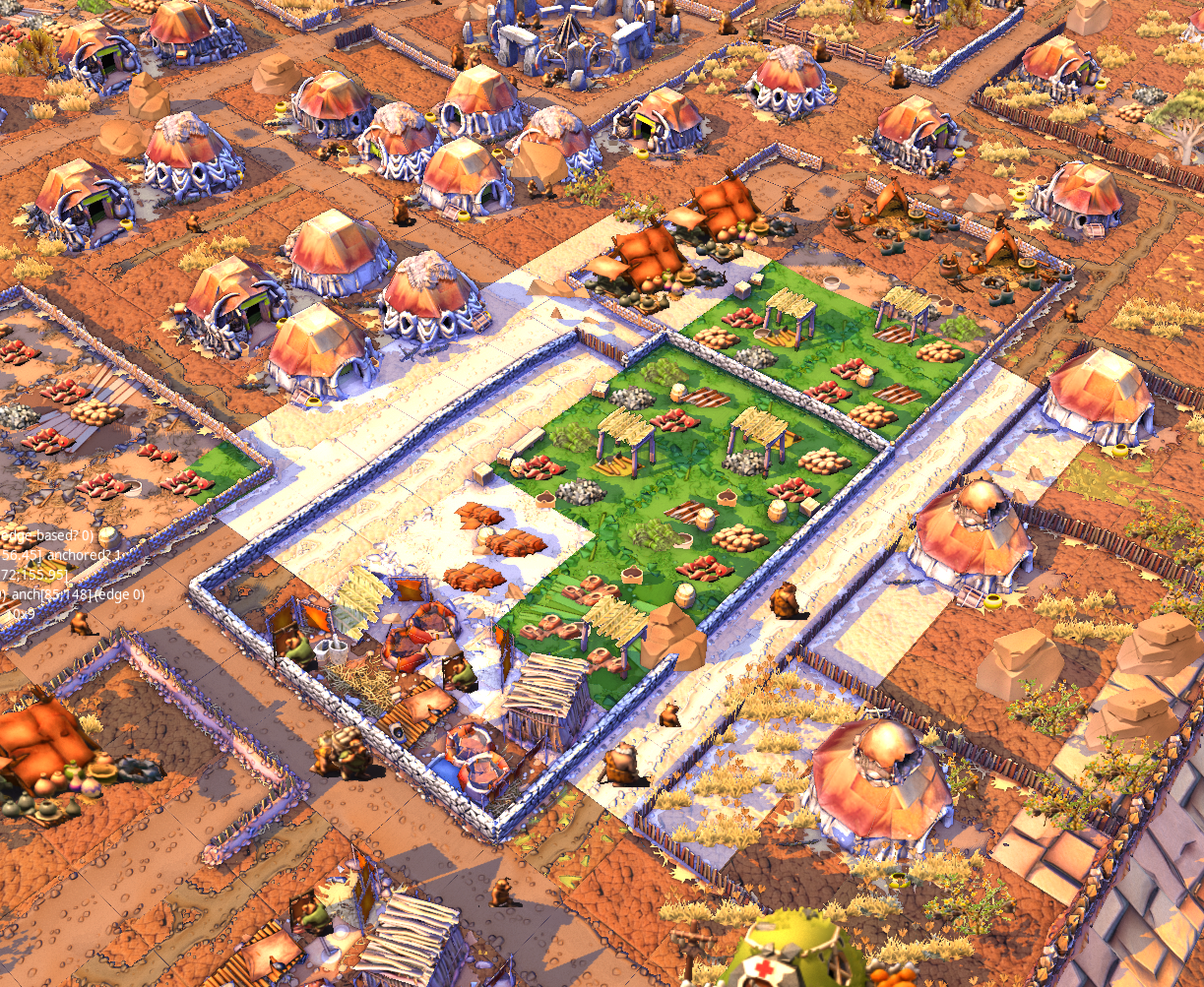
 Most of the basic required graphic systems are now in place!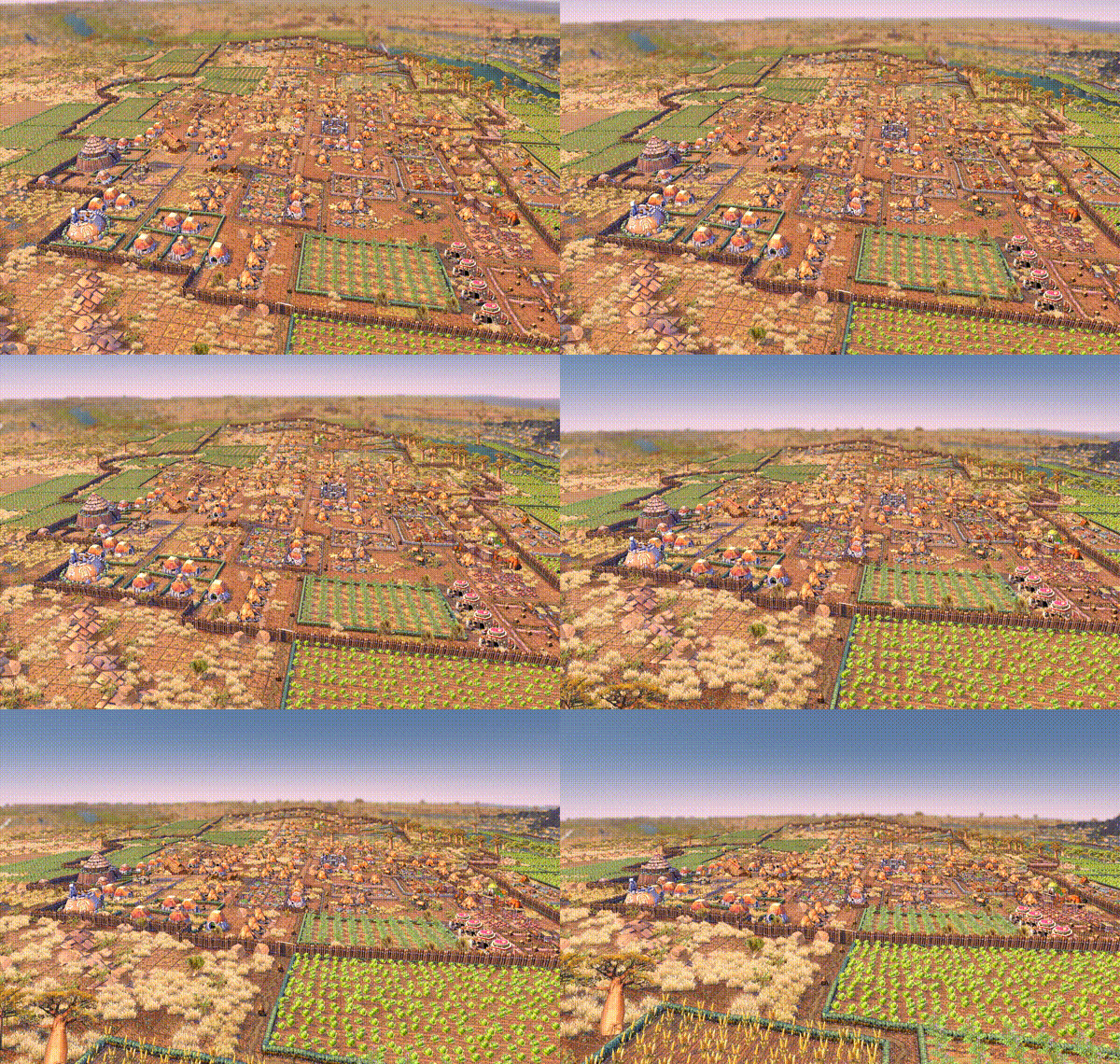
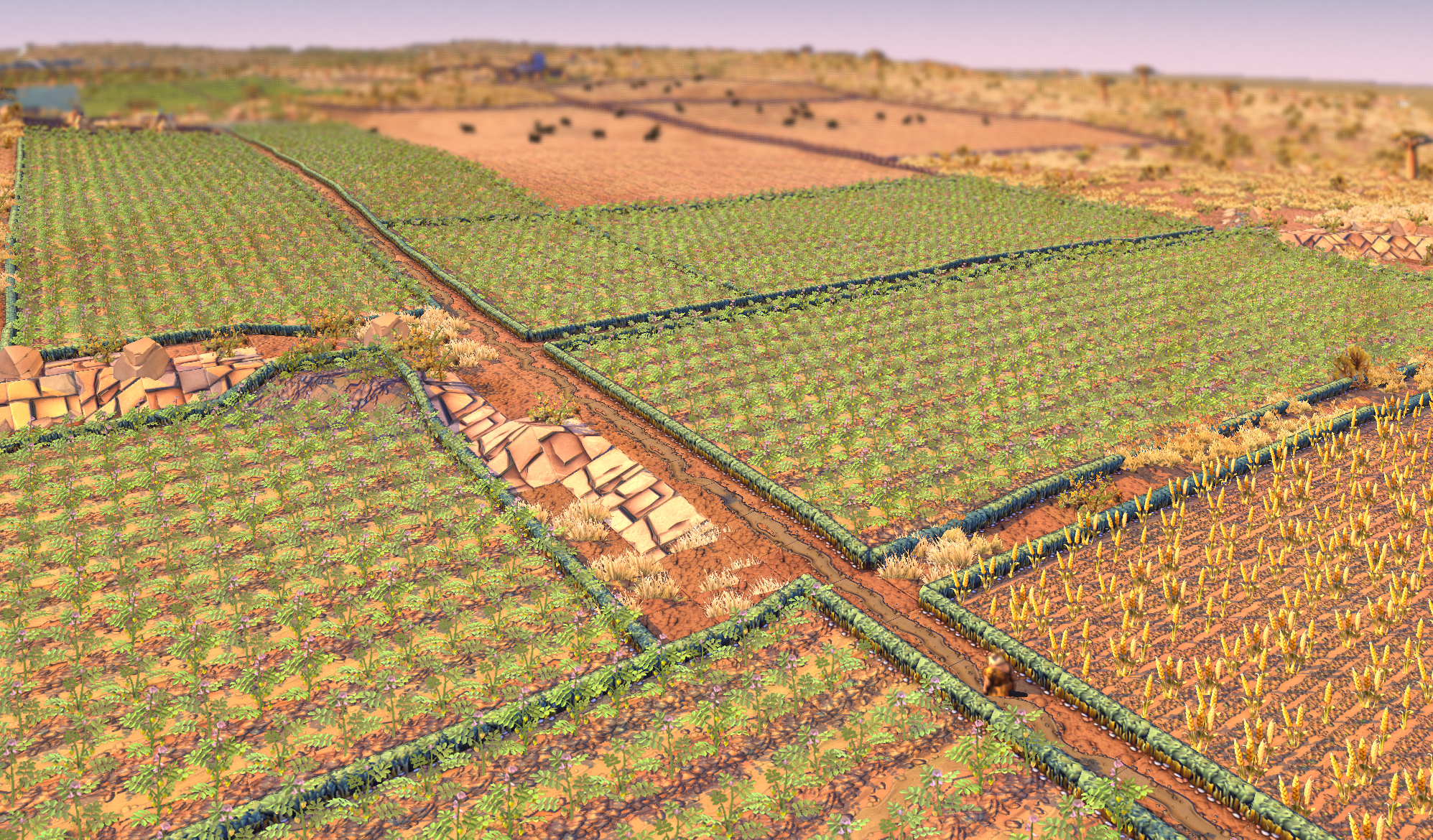
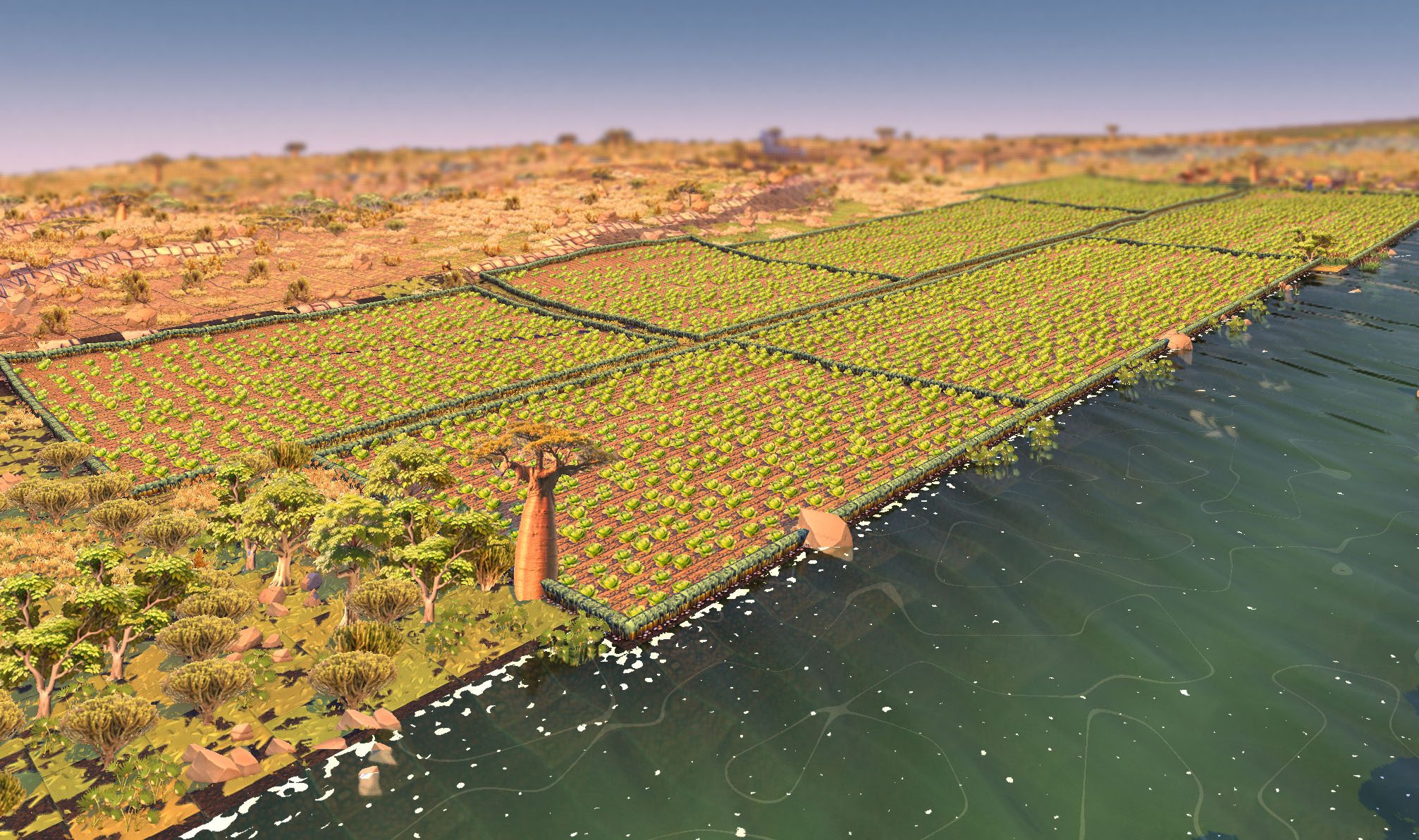 Fields display is completed. They work pretty much the same way as in the legacy game.
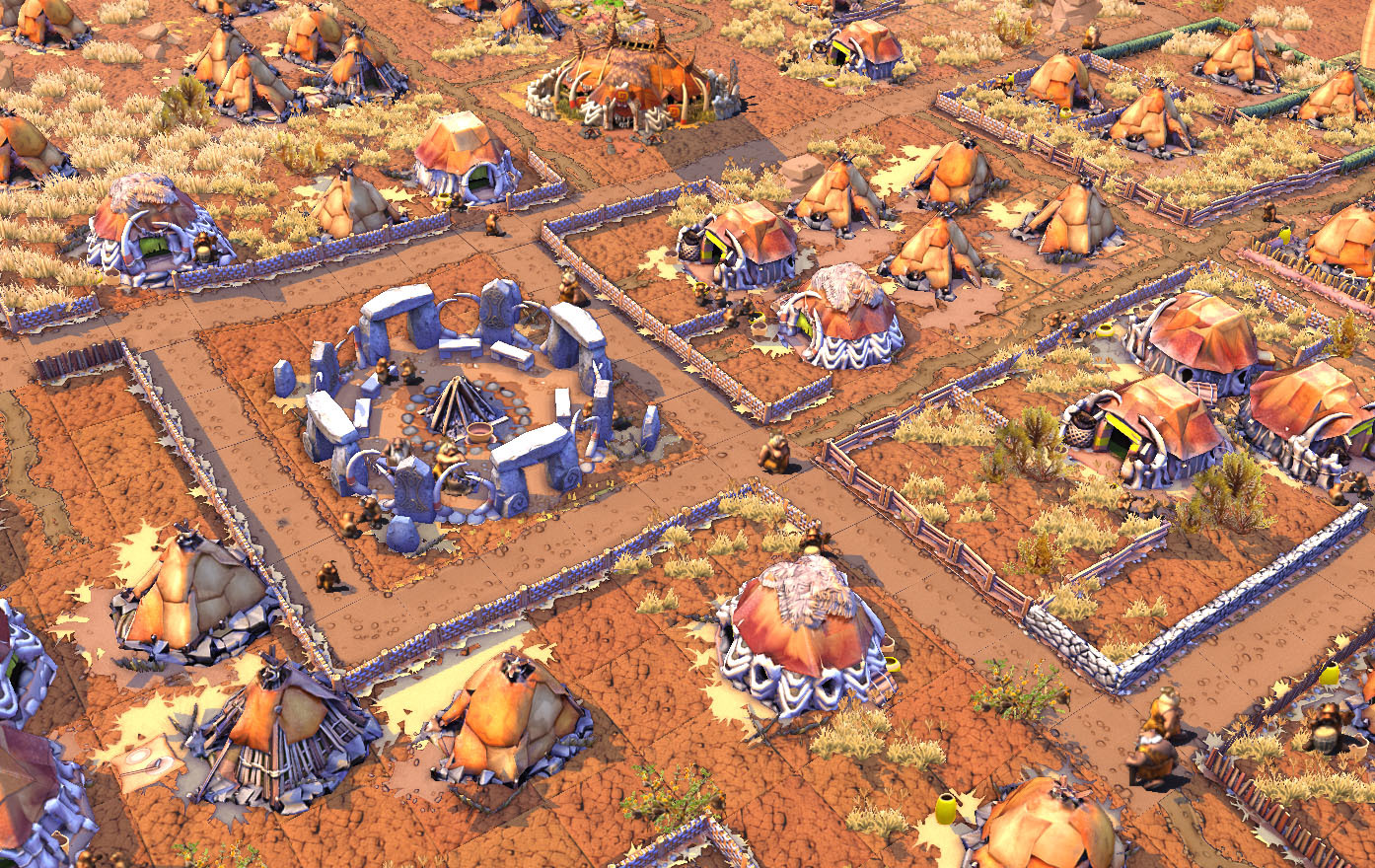 Roads display is completed. A new type of earlier game road has been added: "paths", which are much smaller than the dirt road and will be available right away from the start.
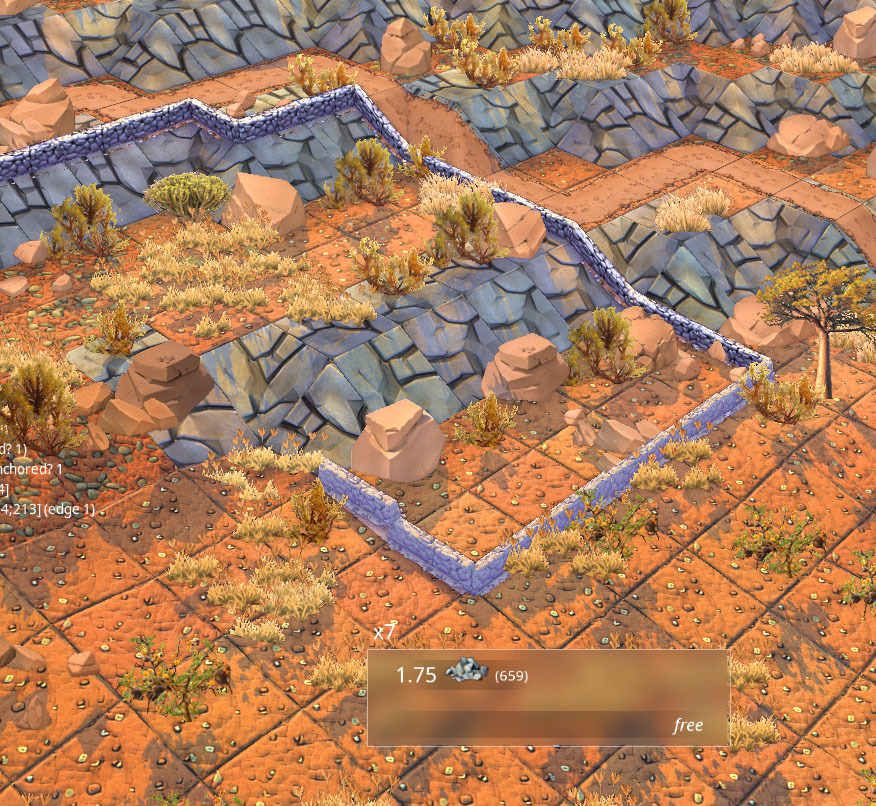 Fences now work on a completely new layer: instead of occupying the tiles, they occupy tile-edges allowing you to control intuitively on which edges you want to place them.
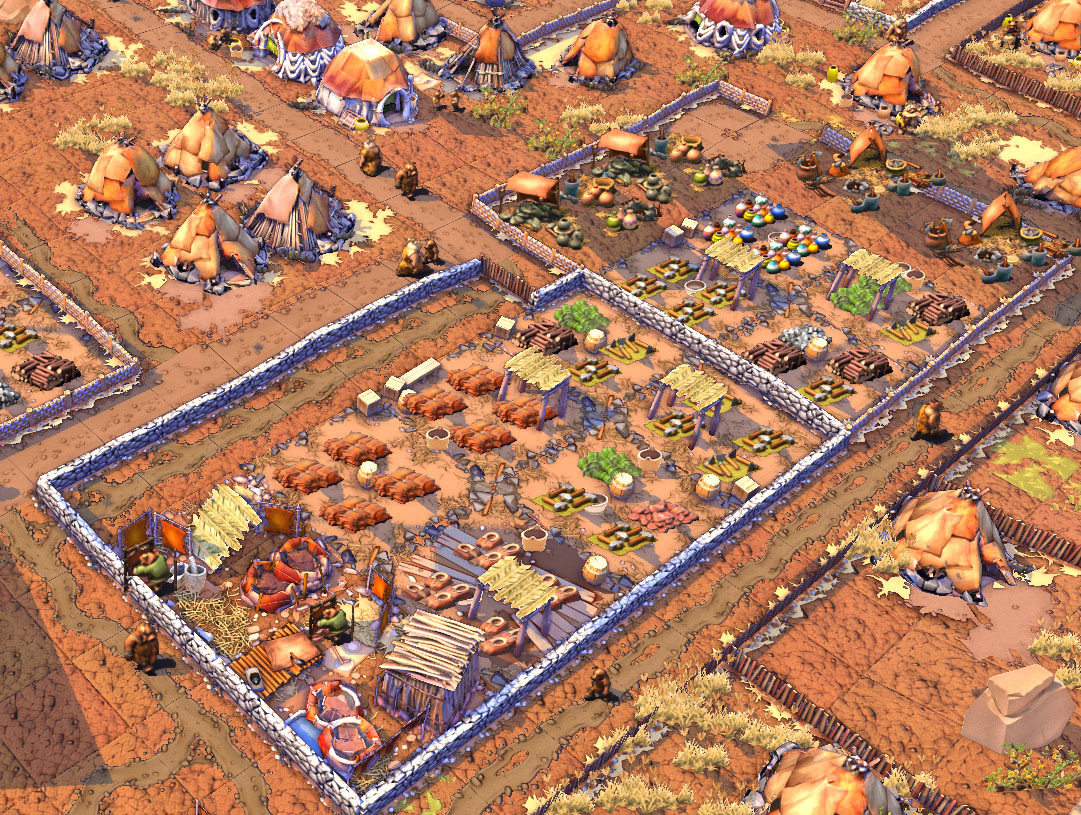 Resources display using the legacy resources sprites is completed.
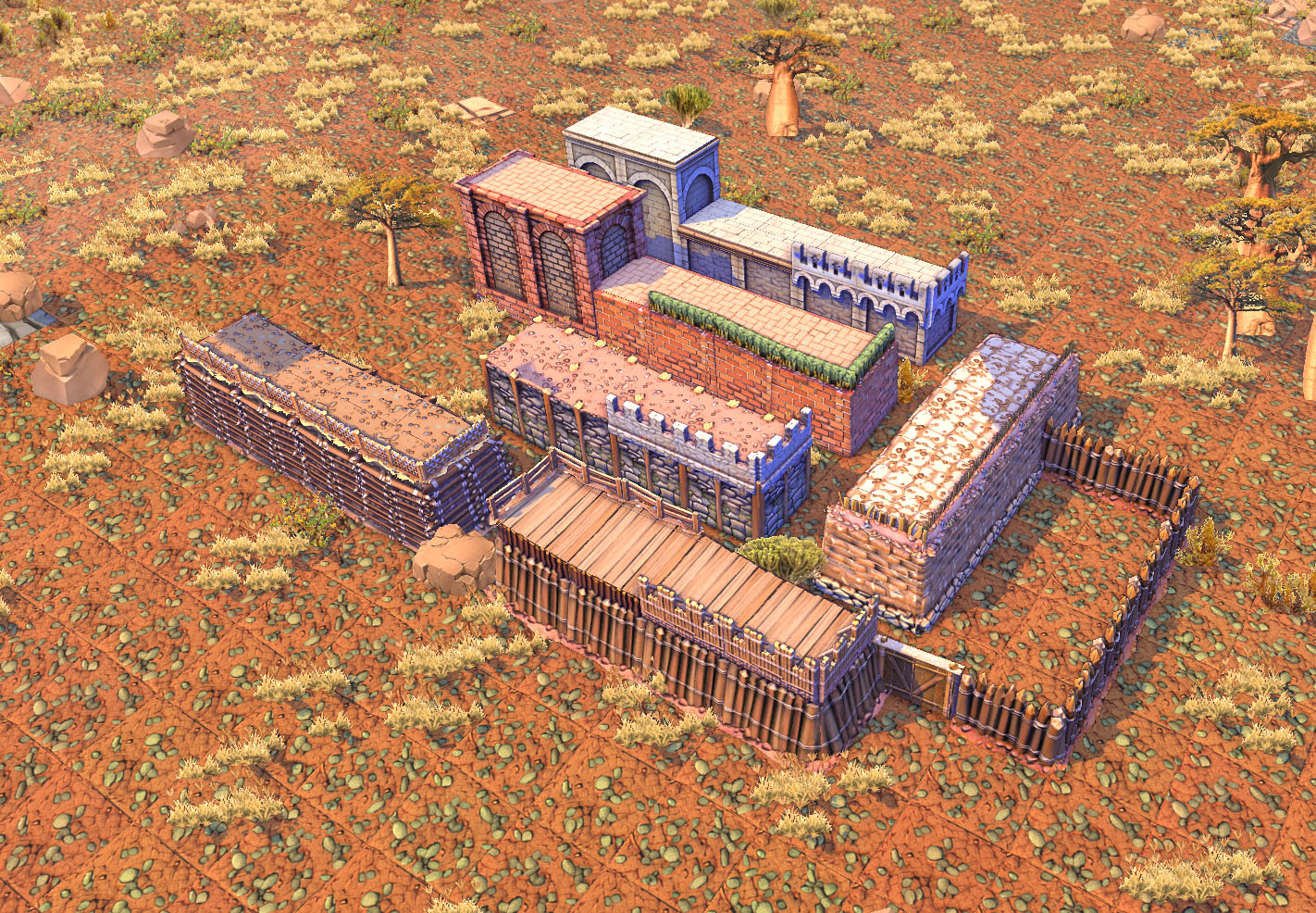 There are now much more platforms types than in the legacy game, using a wider range of materials:
 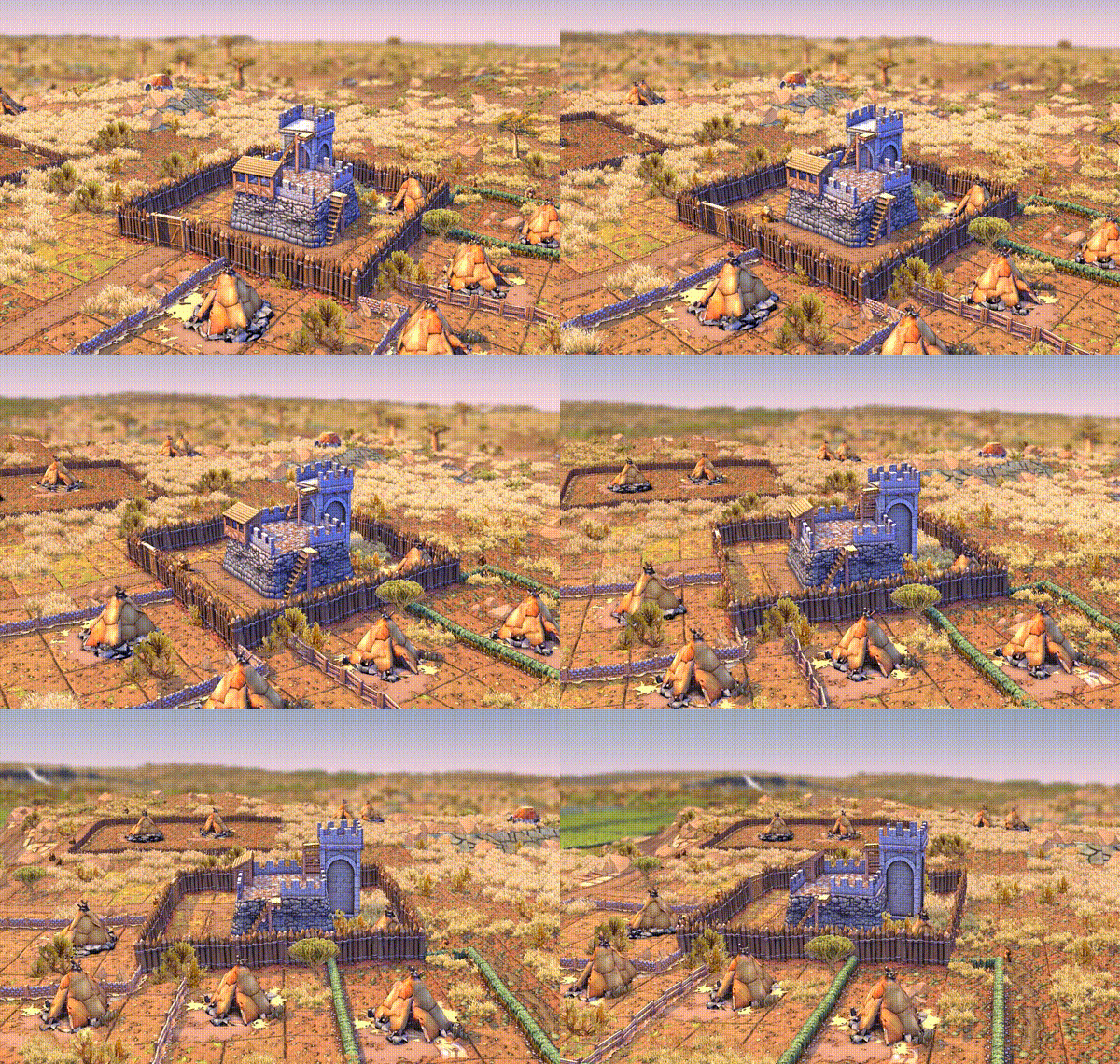 Walls, stairs, battlements, and gates are now placed on the "tile-edge" layer like fences thus making the creation of forts much more visually intuitive and giving you more control on fort designs.
 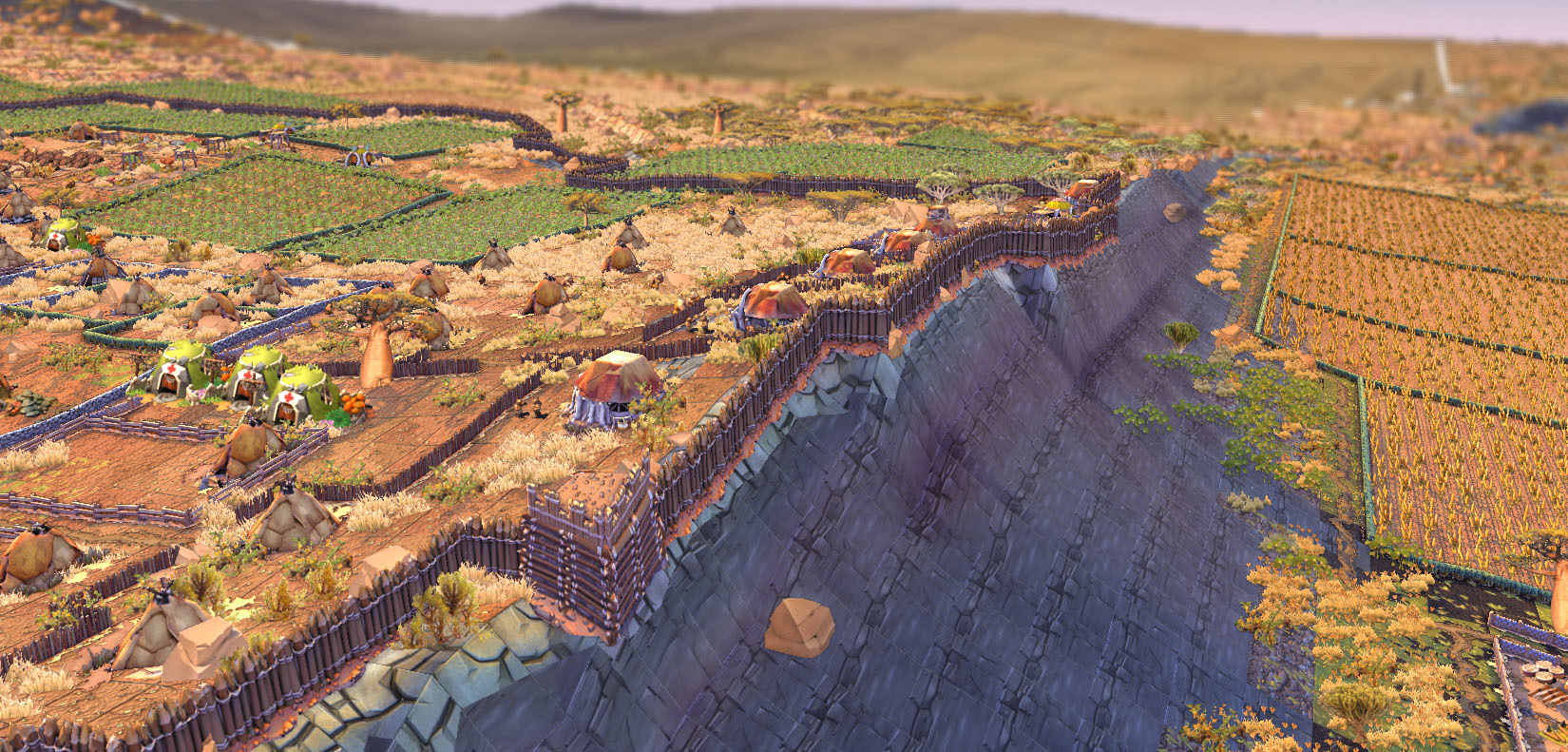 Like fences and platforms, walls follow the slopes of the terrain.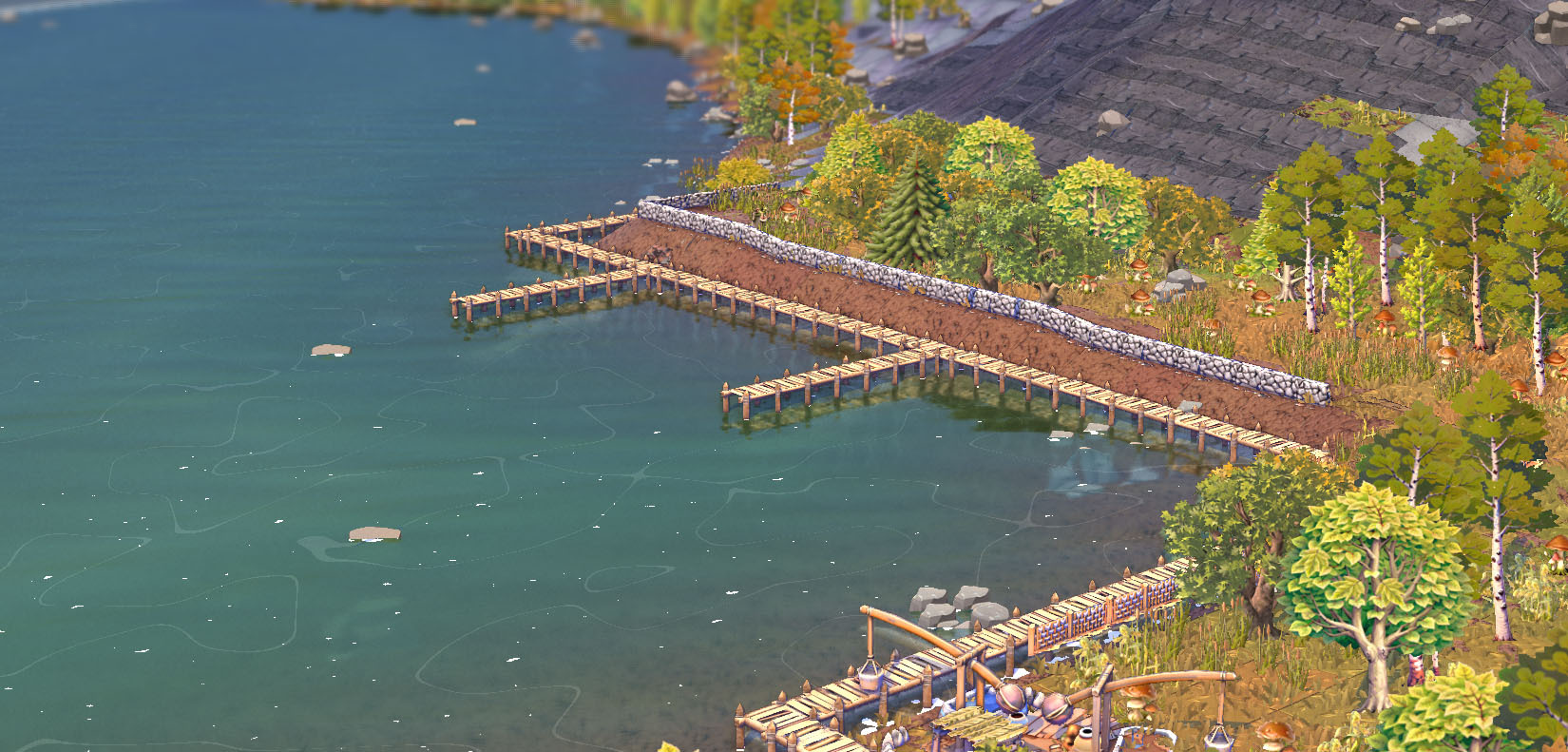
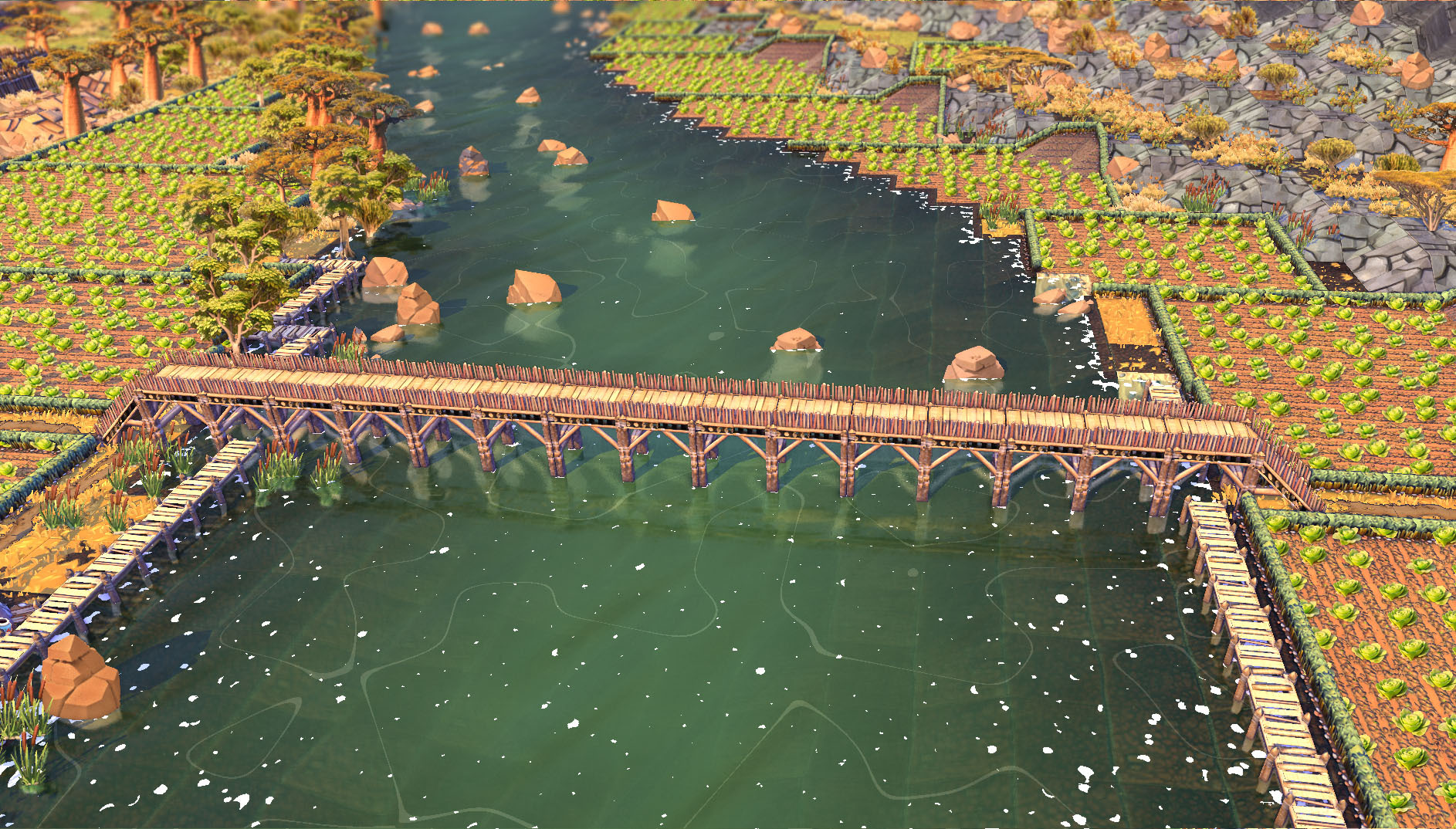
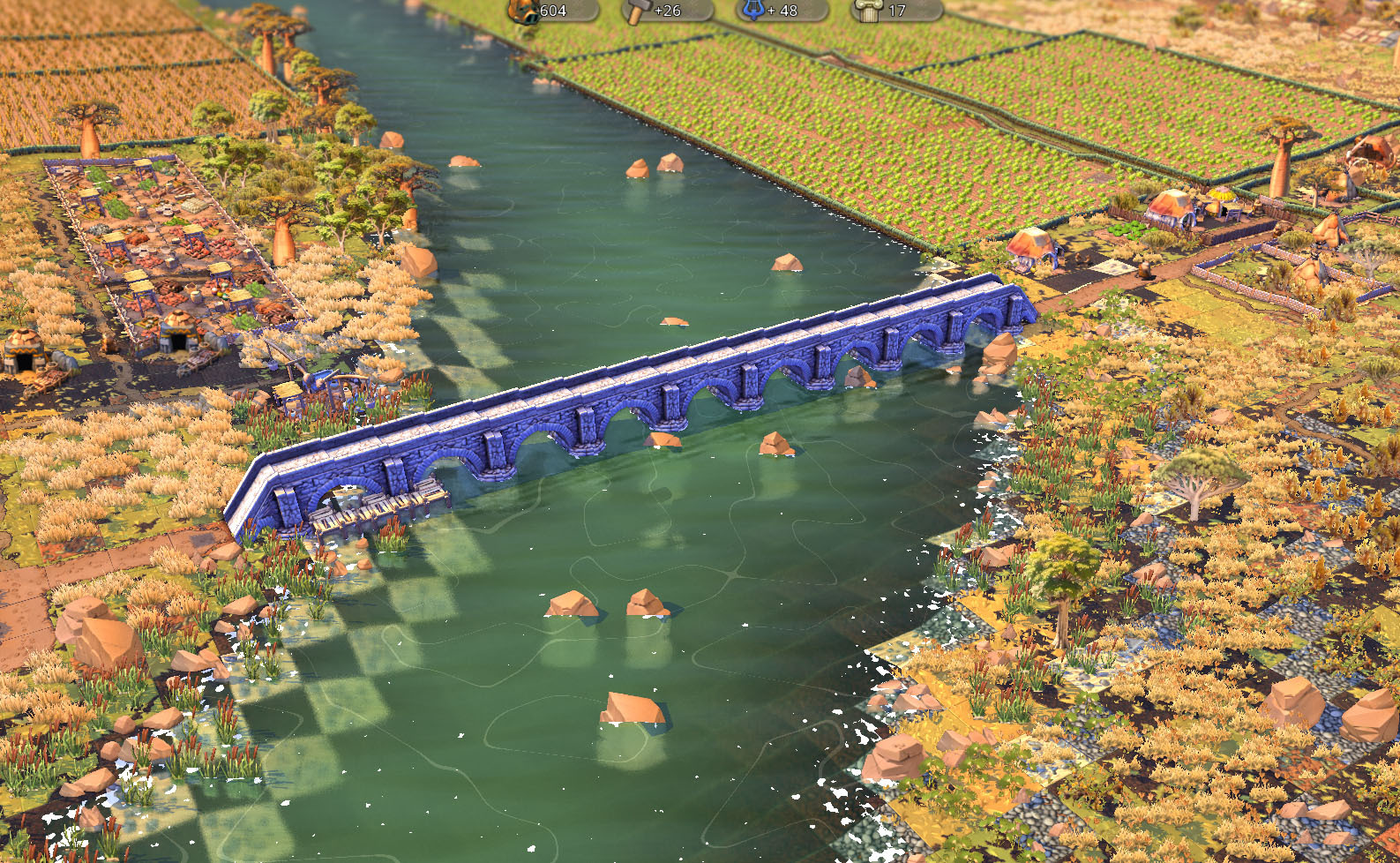 Bridges are now a separated type of infrastructure from platforms.
 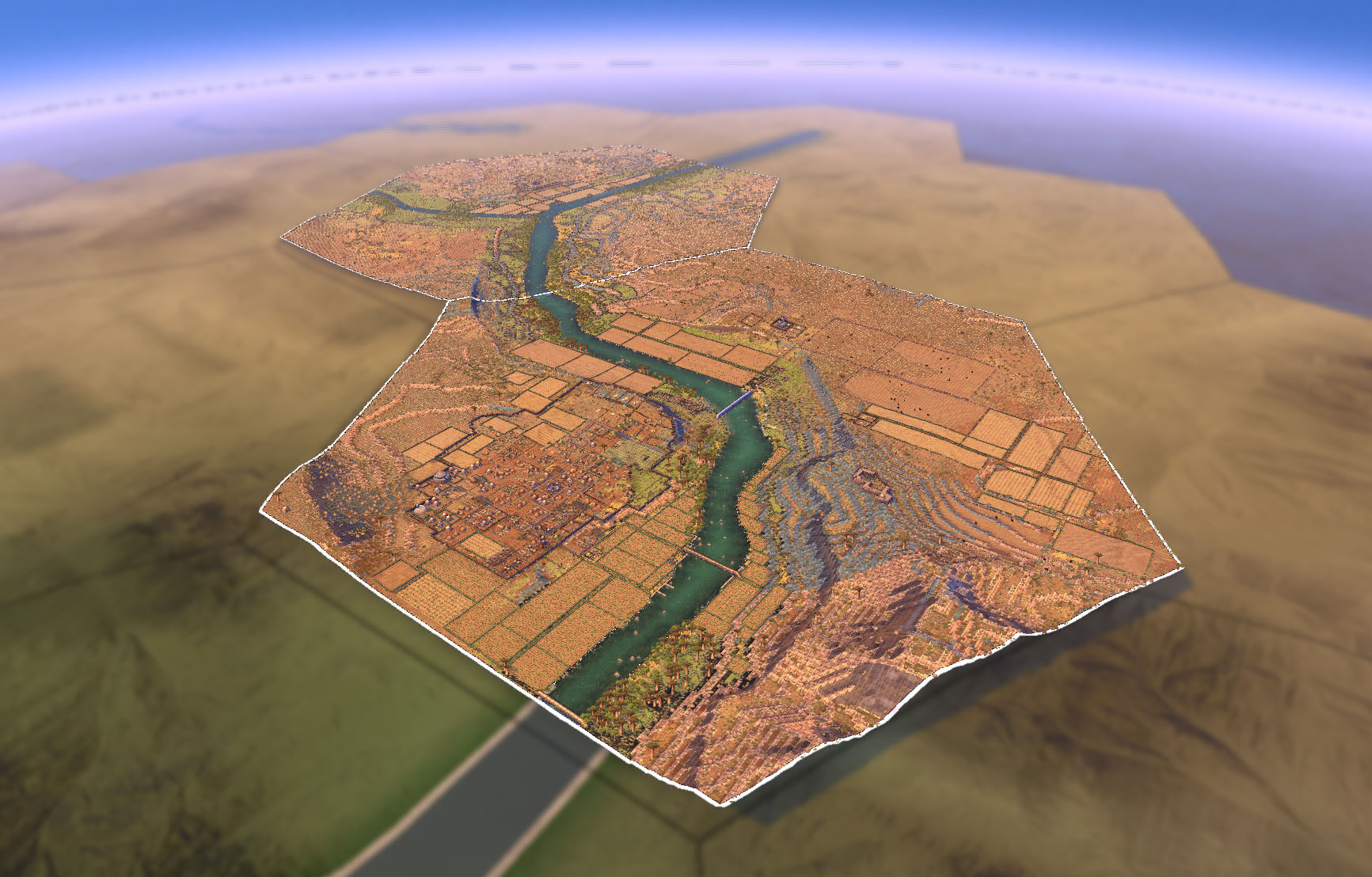 Multi territories are now functional, allowing you to seamlessly go from your city to its surrounding countryside.
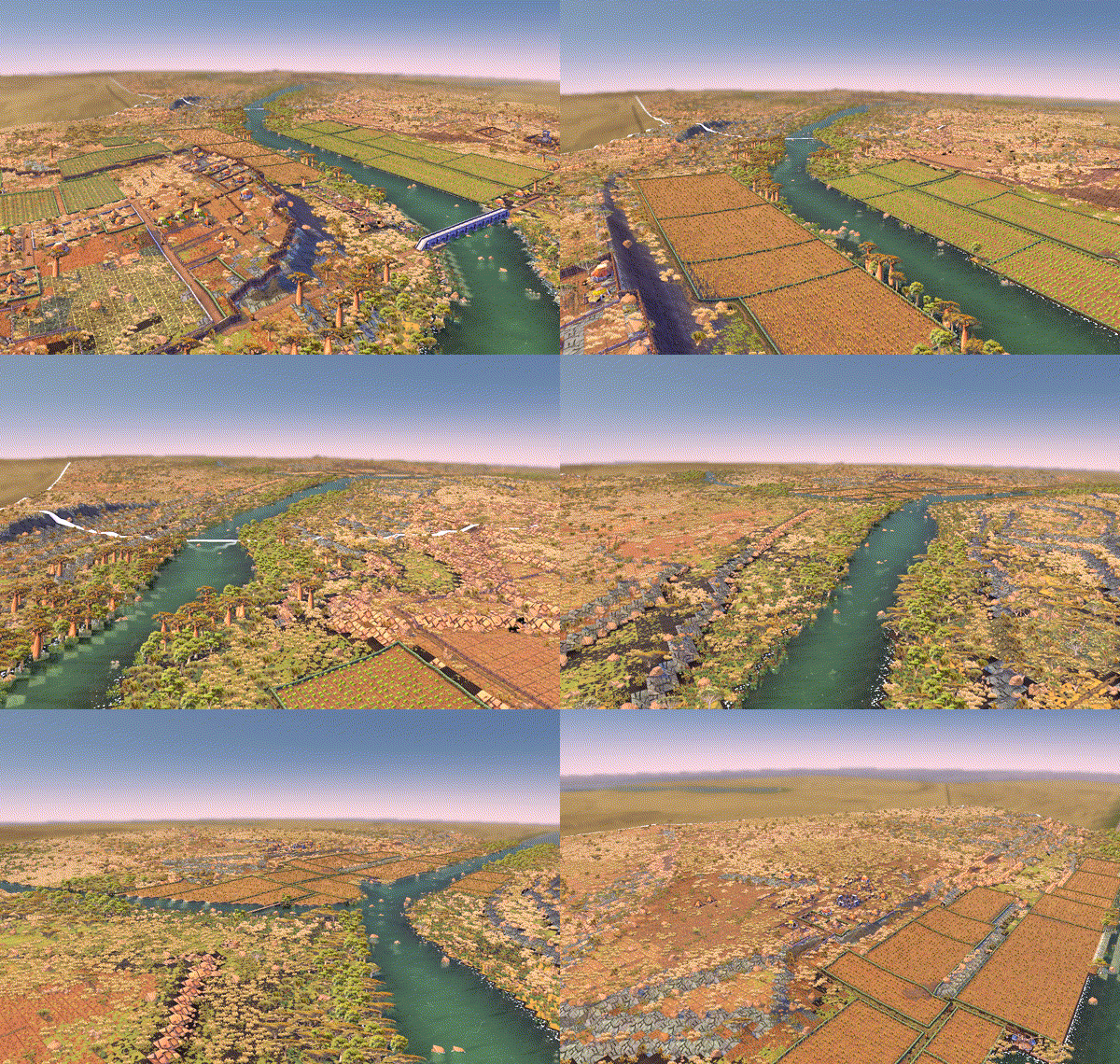 Being able to fly across your lands in a few seconds from city to villages is pretty satisfying and addictive!
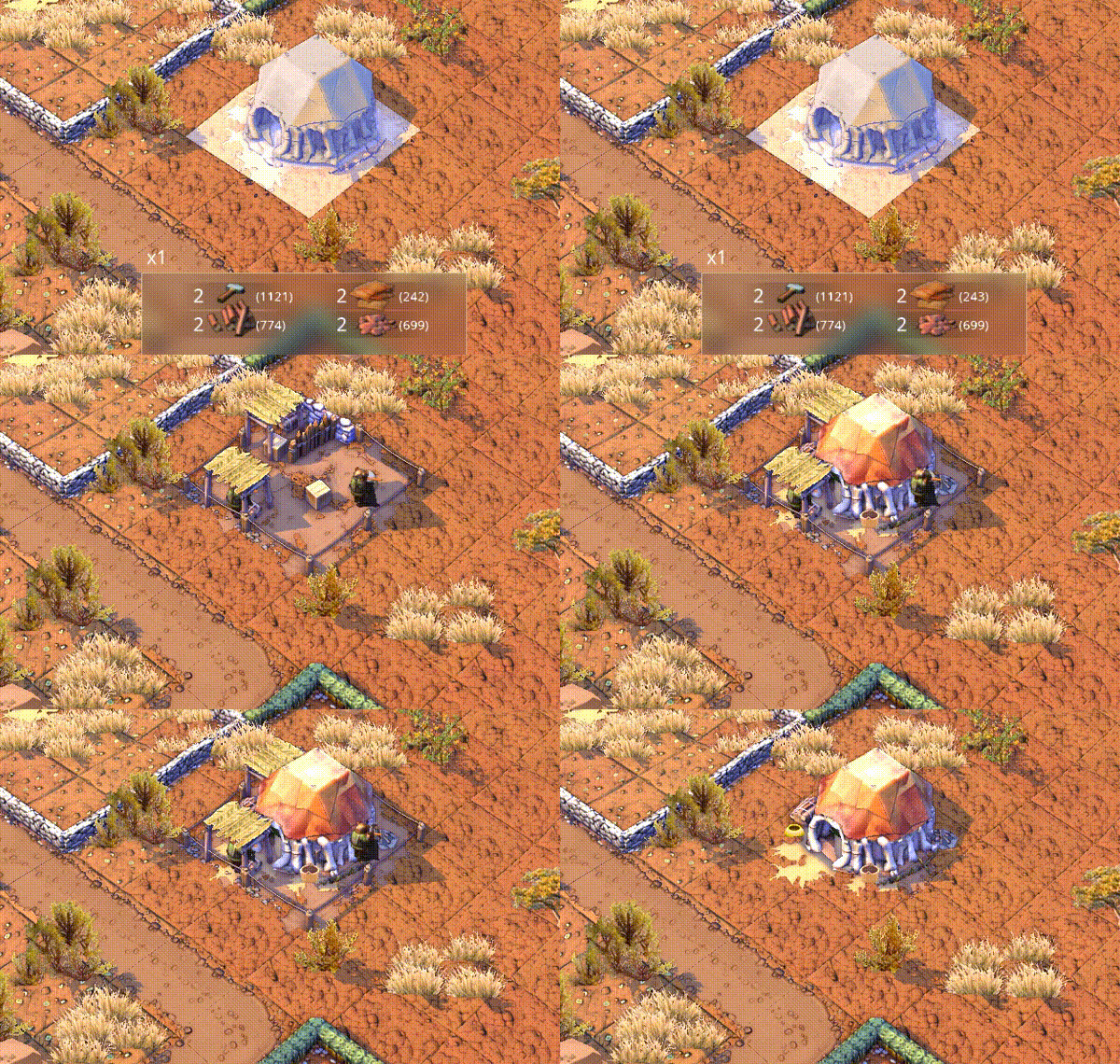 The systems to display buildings in construction is completed. It now includes animated builders, and an additional step of progress blending the building with the construction site.
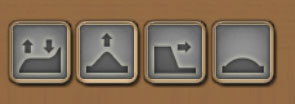 * Smooth simply averages the tile height of each tile of the selected area based on its surrounding tiles.
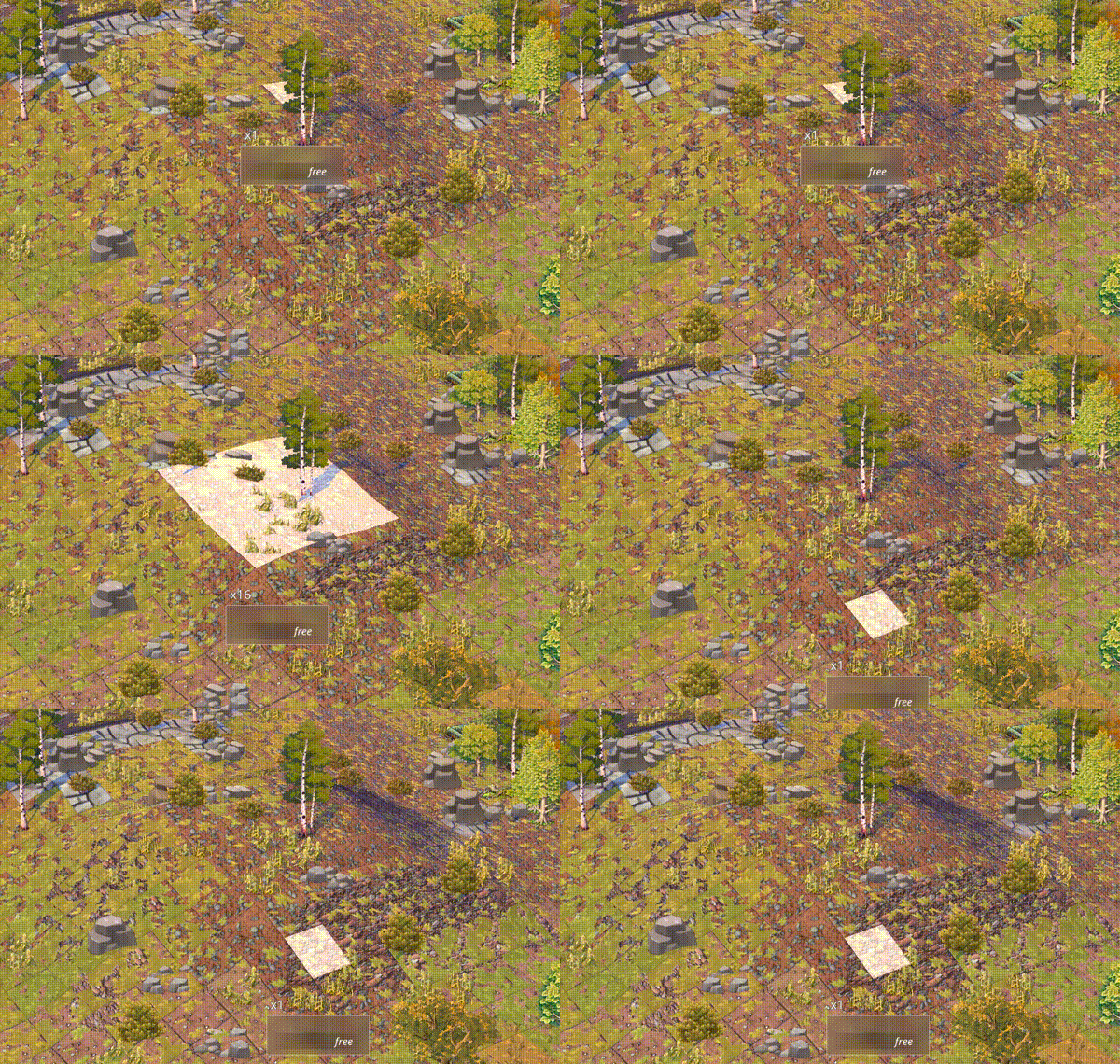 Terrain tools are now instantaneous, they no longer work with a system of preview and planned construction.
 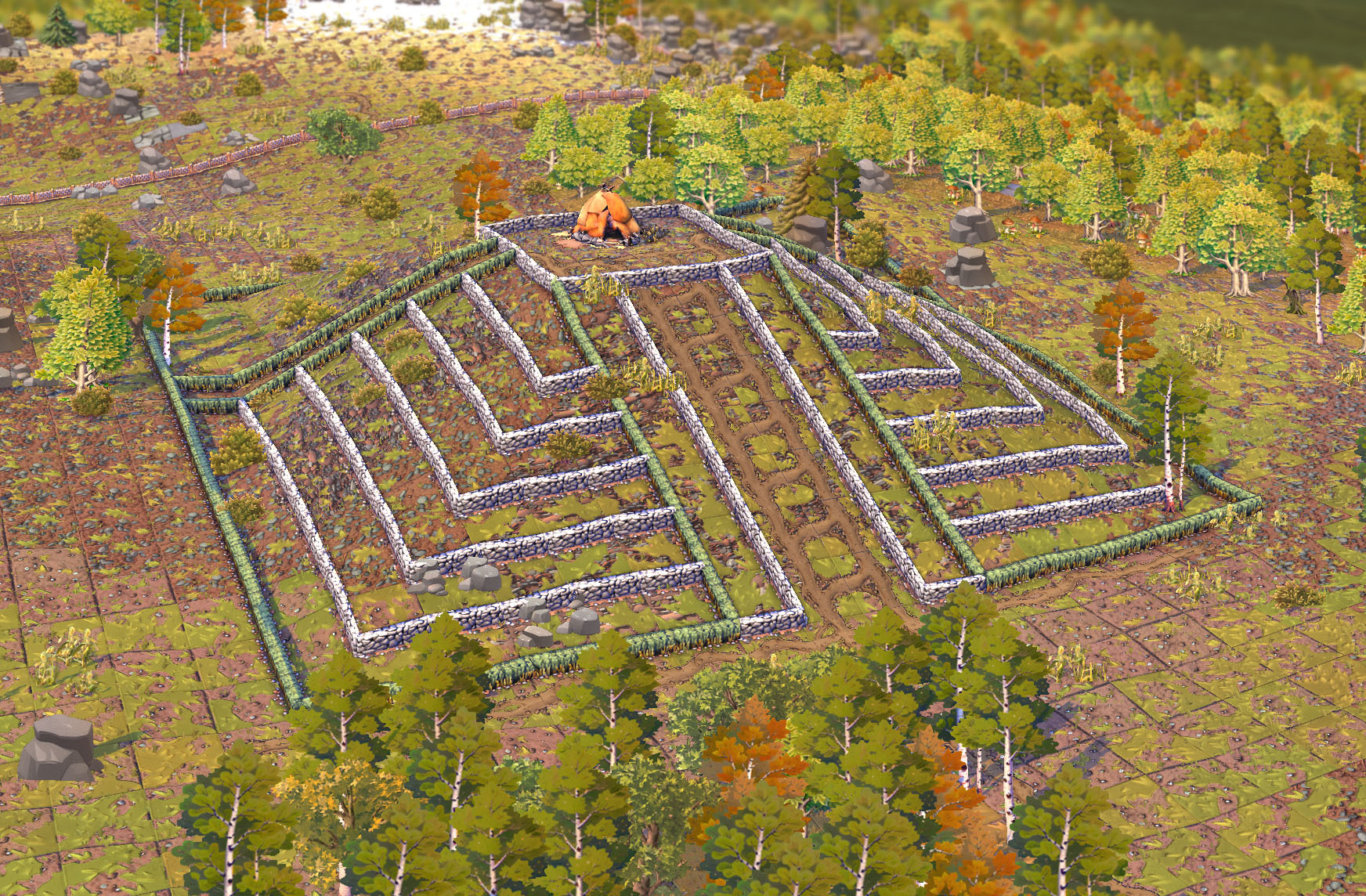 Repeatedly using terrain rise created a natural pyramid, as slopes spread around the affected area.
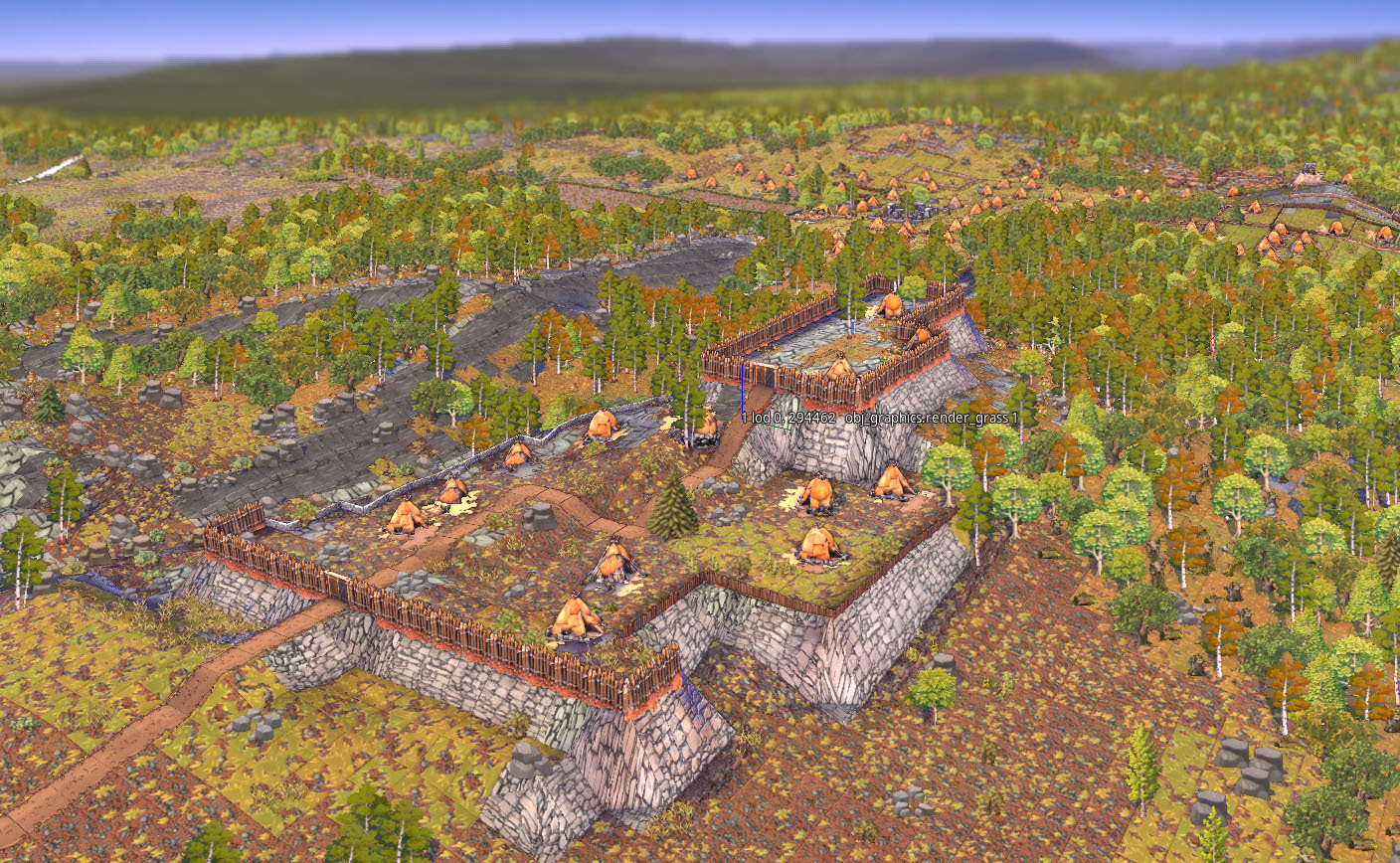 Using the terrain leveling tool to create defensive terraces on top of a hill and combined with defensive palissades.
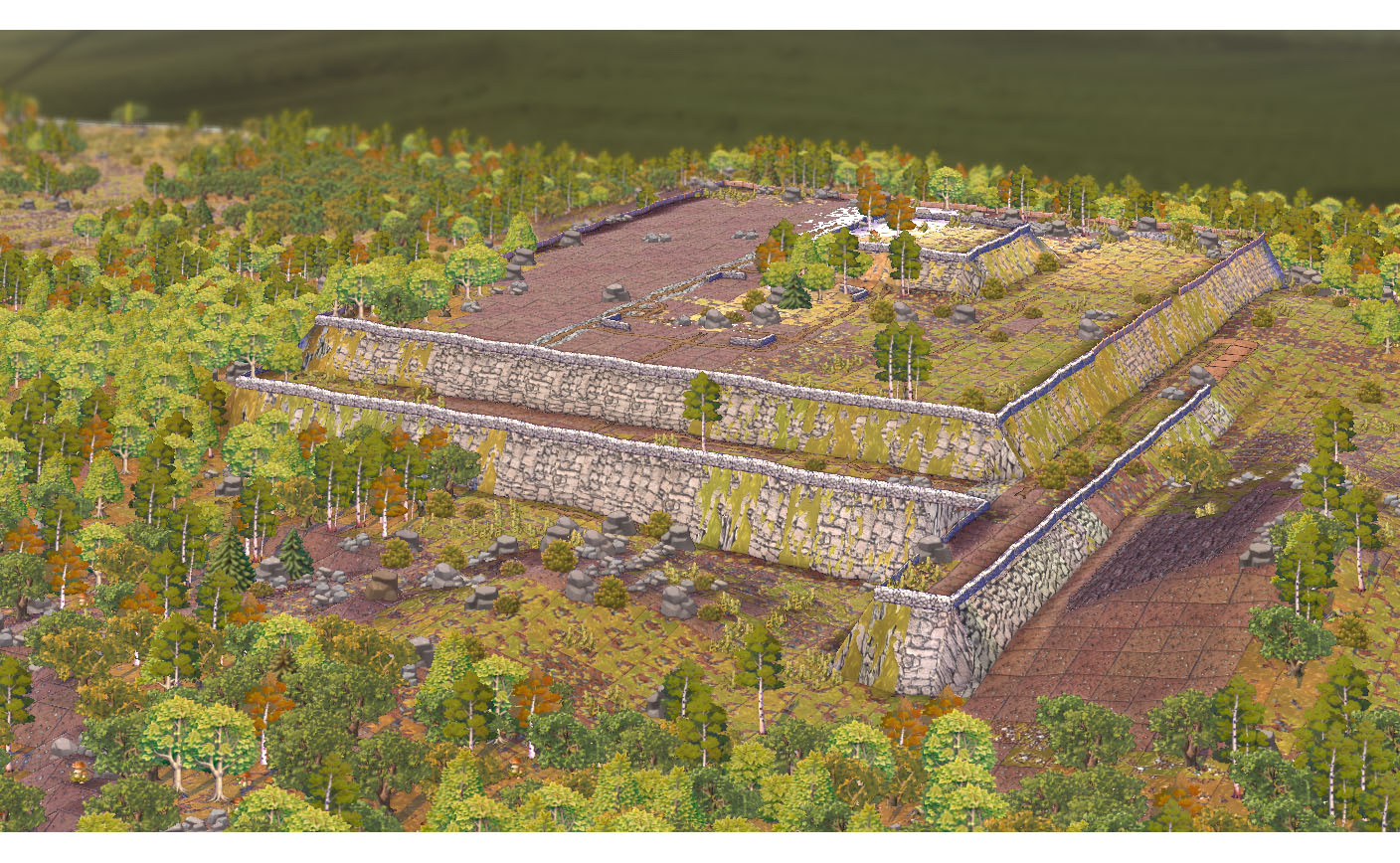 Testing the level tool (during wip) to create large terraces surrounded by stone containment walls, and with cosmetic fences placed on the edges.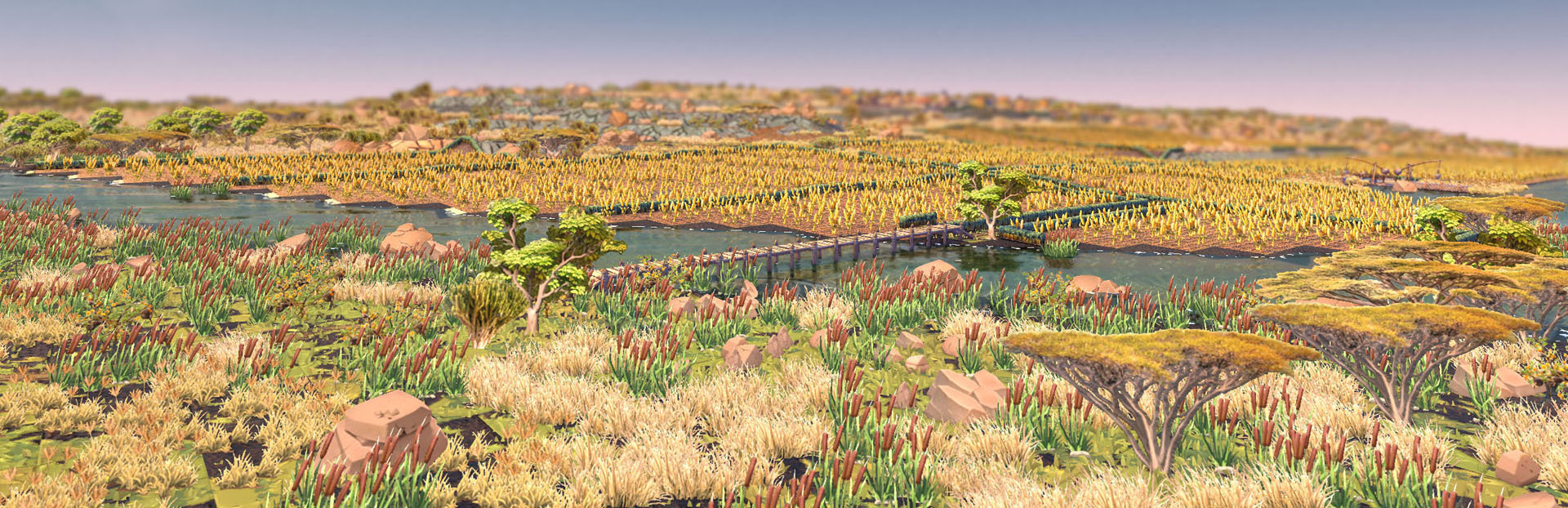
 A new game has just started on Server 4.
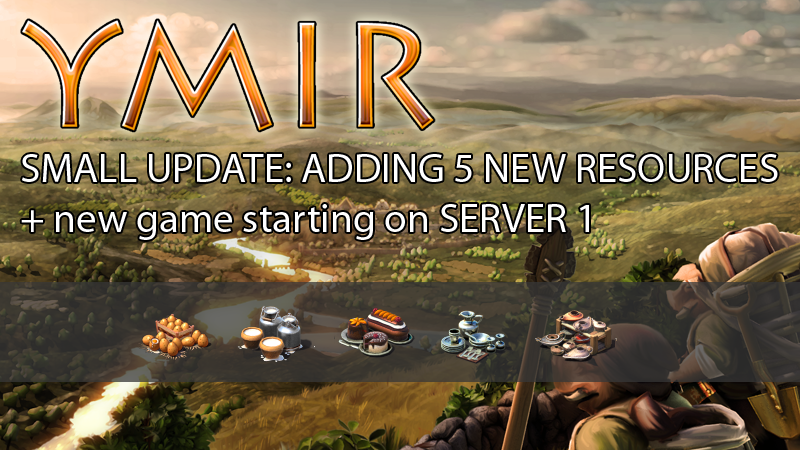 A new game will start this Saturday around 12:00 Paris time on Server 1.
 Loading

